ISDI Students Decode Global Design Ecosystems Through Immersive China Experience
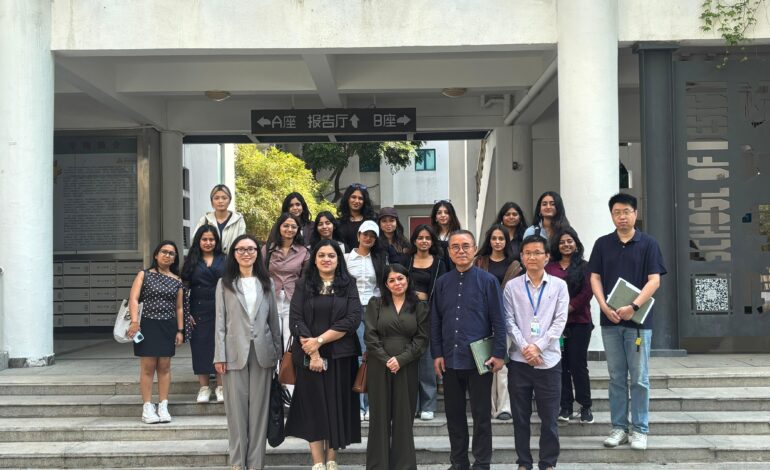

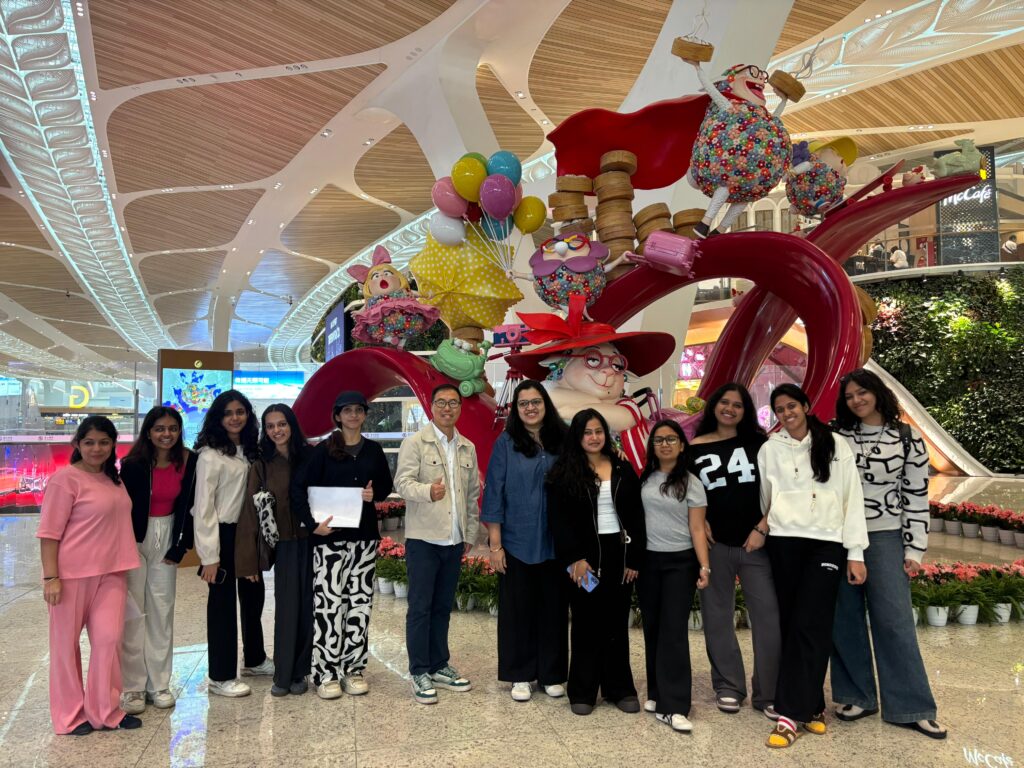
In an increasingly interconnected world, design education must extend beyond the classroom. Embracing this philosophy, ATLAS ISDI – School of Design & Innovation recently facilitated a global immersion program in China for a cohort of students from Interior Design, Product Design and Communication Design, accompanied by Prof. Divya Vijaychandran and Prof. Kunica Khosla.
Spanning the cities of Foshan and Guangzhou, the immersive visit was designed to expose students to diverse design ecosystems, ranging from large-scale industry and manufacturing networks to cultural heritage and academic exchange, offering a holistic understanding of how design operates across global contexts.
Design Systems & Cultural Context
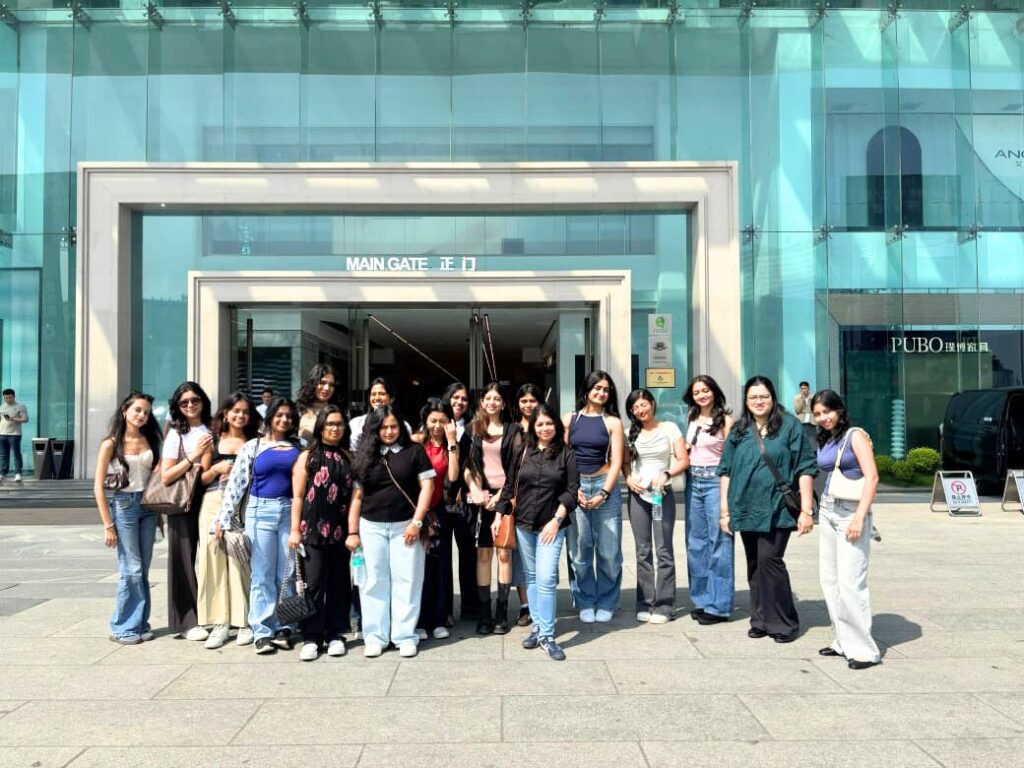
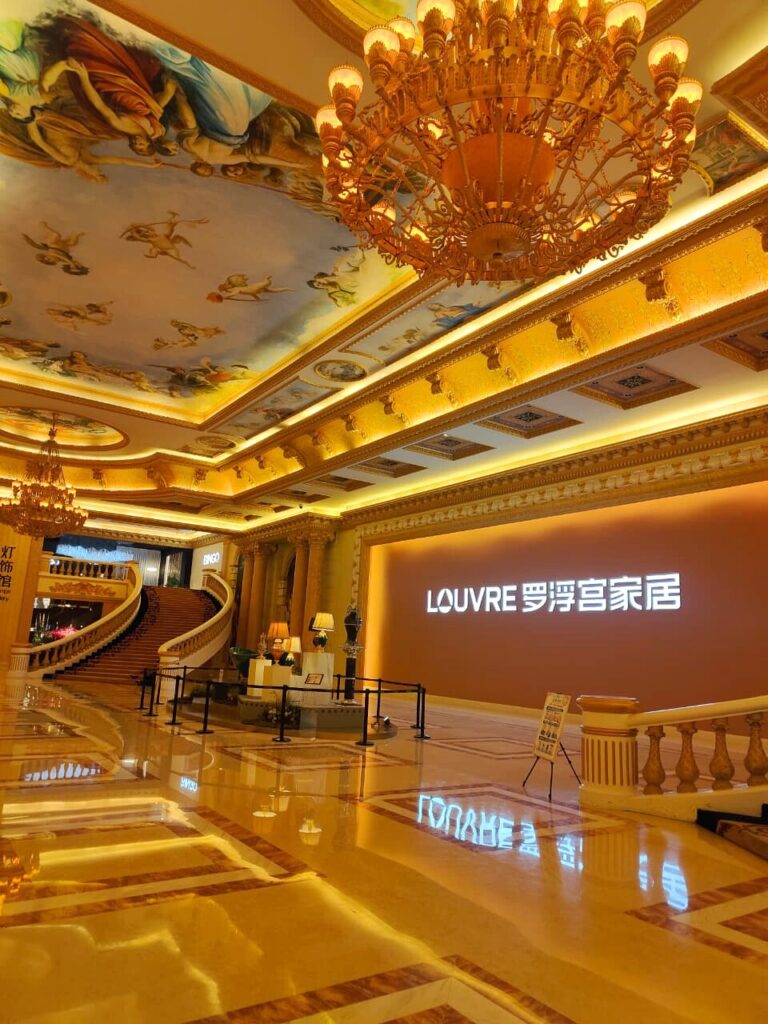
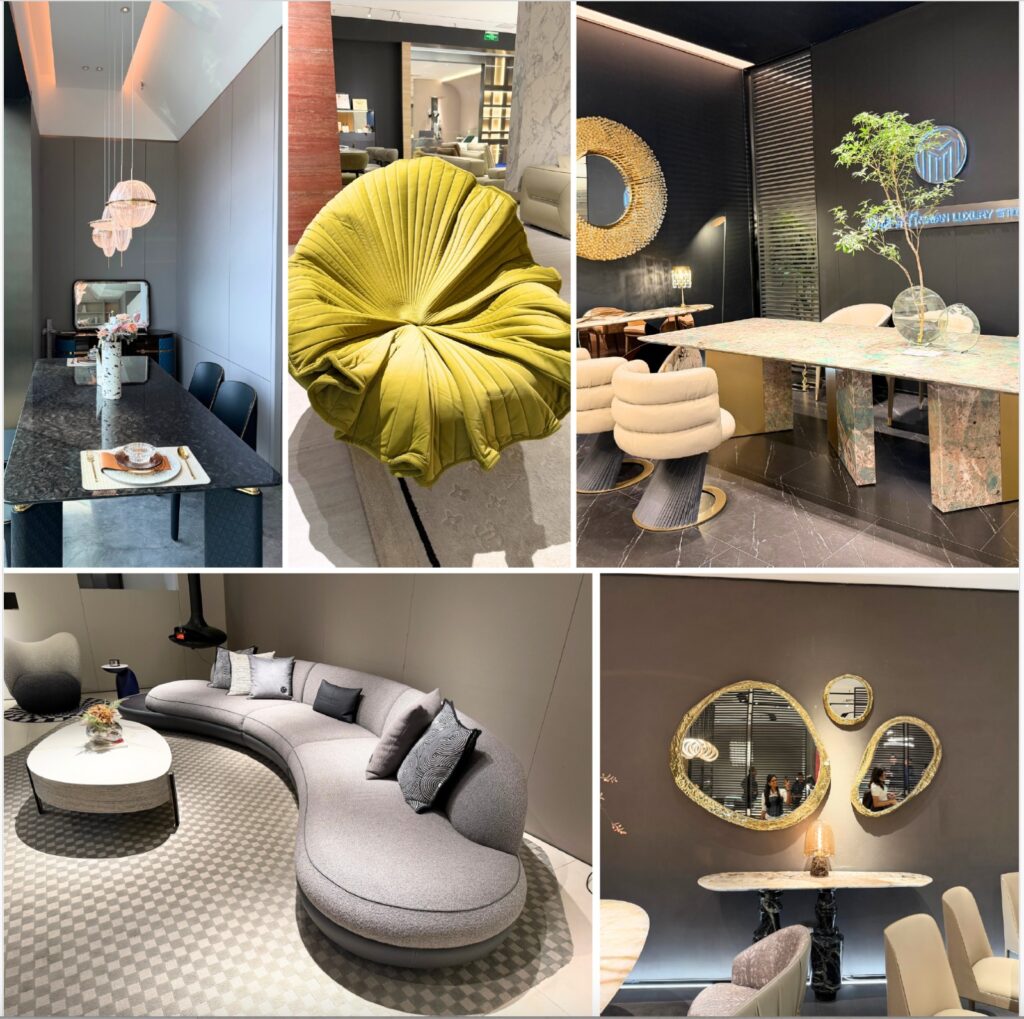
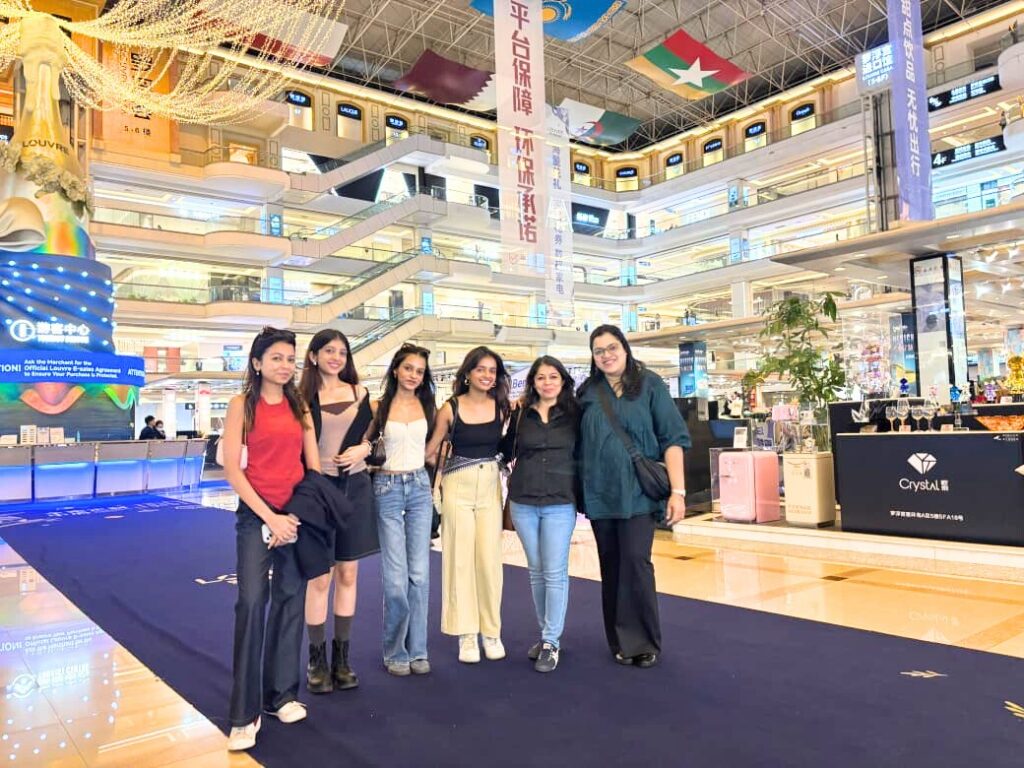
The journey began at the iconic Louvre Furniture Mall, one of the world’s largest furniture and design destinations. Here, students examined global furniture systems, spatial layouts and retail environments at scale, gaining insights into how design functions within complex commercial frameworks.
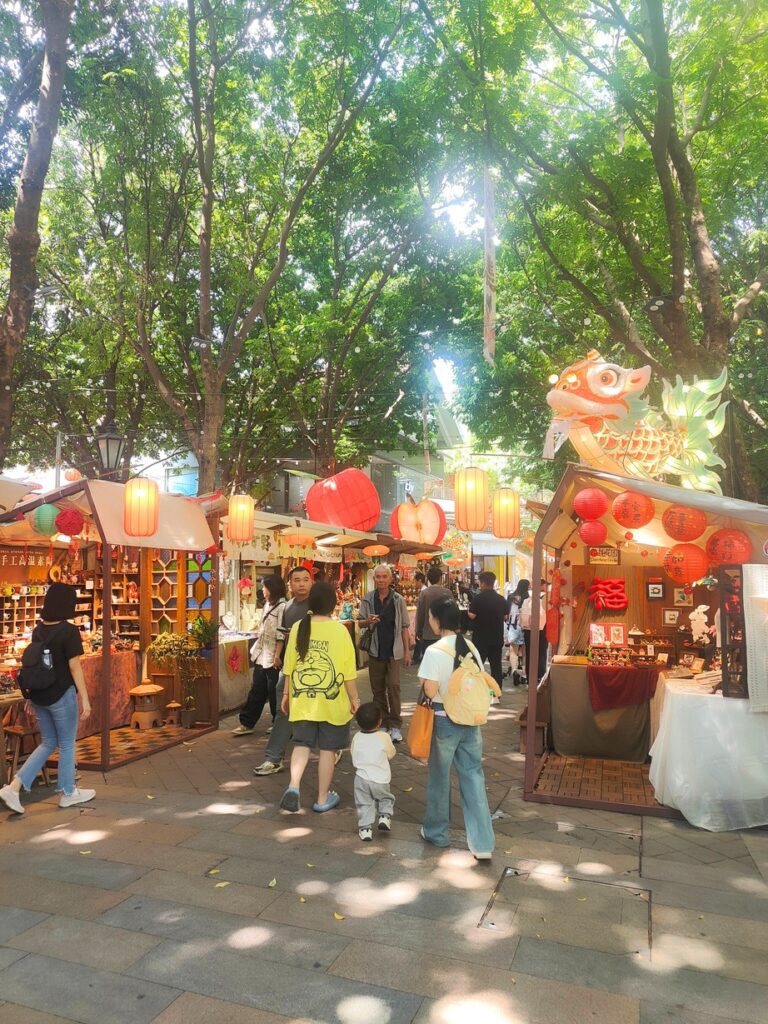
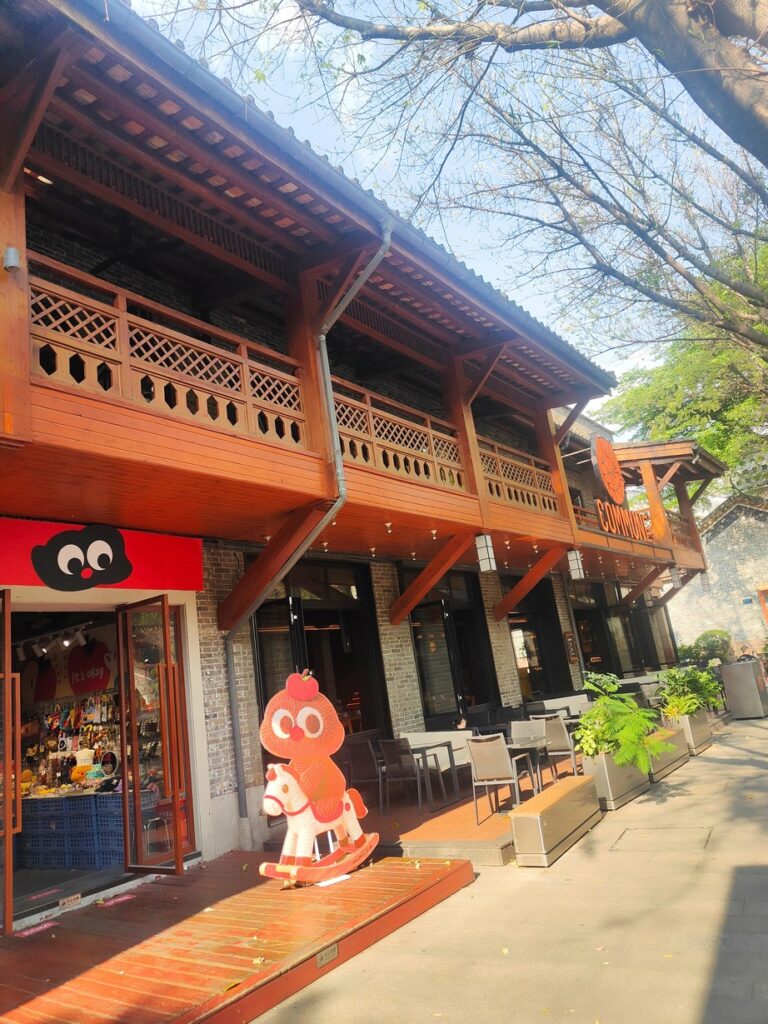
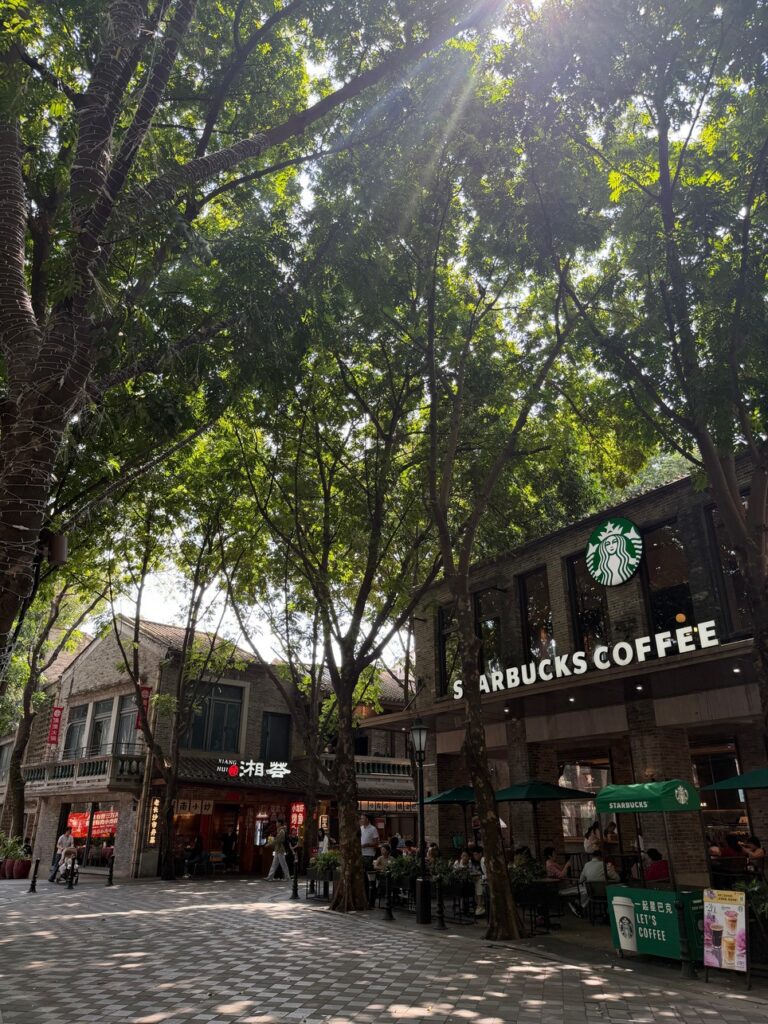
This was complemented by a visit to Lingnan World, where the focus shifted to cultural context. Through its preserved architectural language and urban fabric, students explored how regional heritage informs contemporary design thinking, establishing an early connection between tradition and modernity.
Craft, Materiality & Industry Linkages
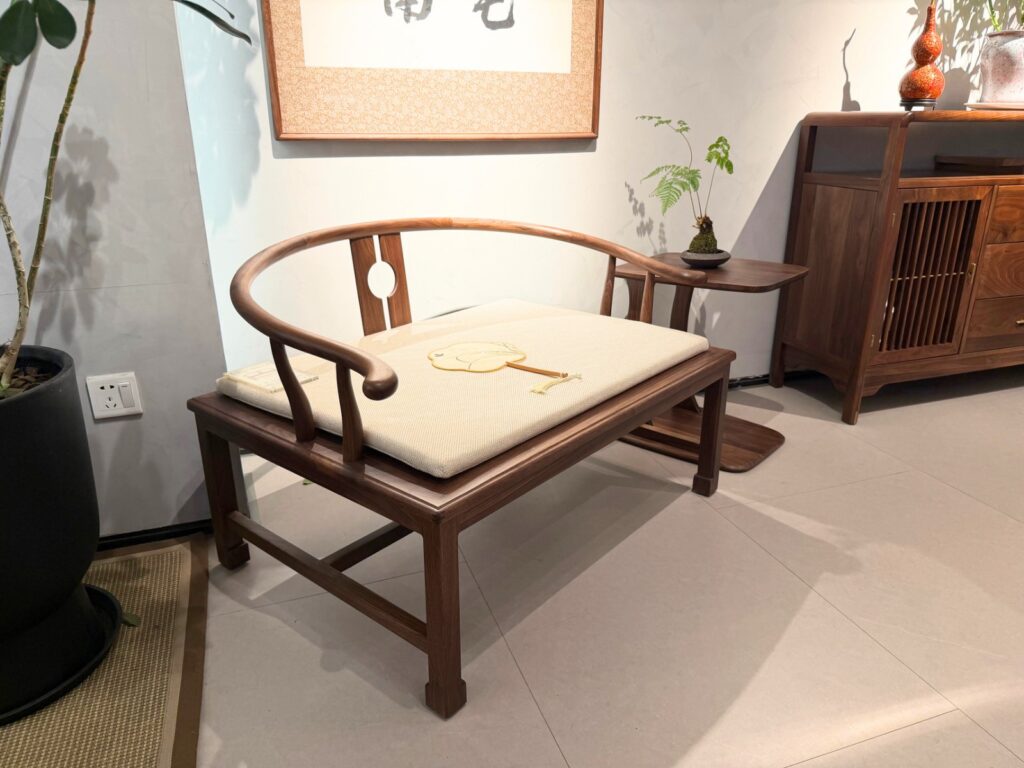
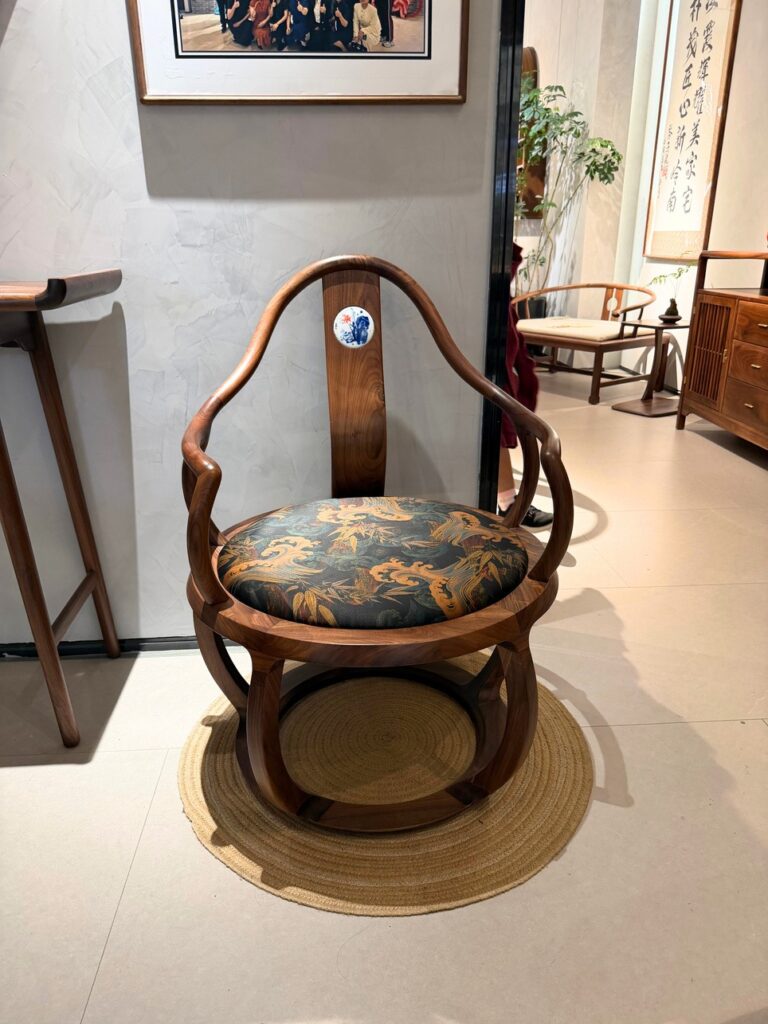
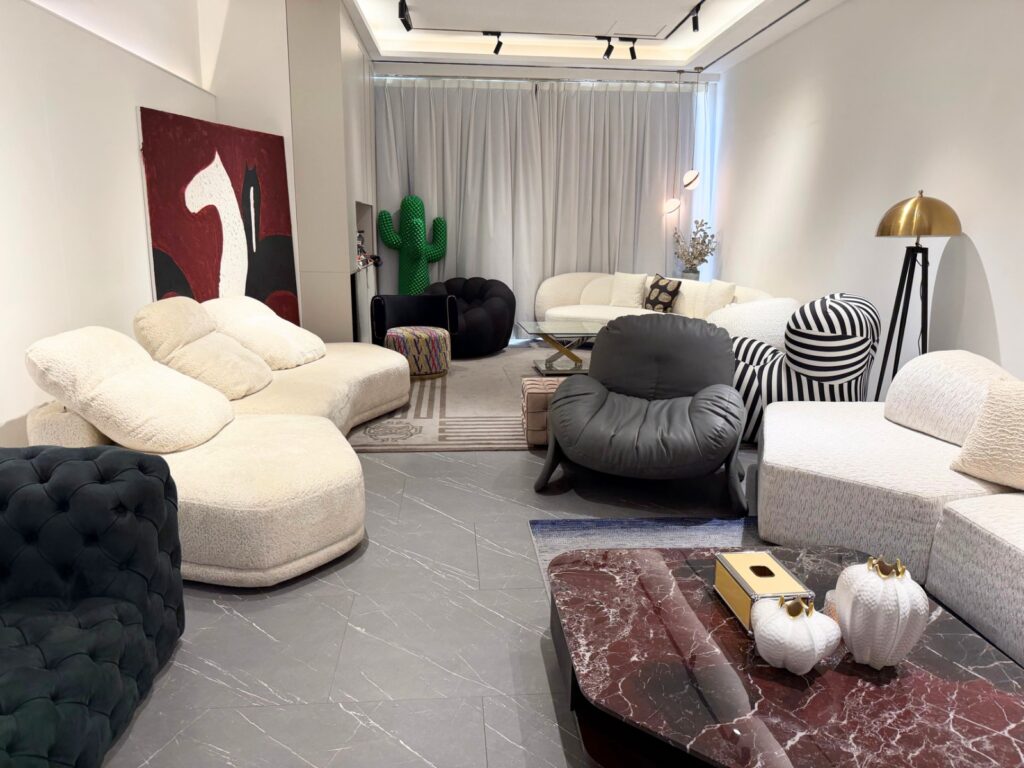
In Foshan, widely recognised as a manufacturing hub, students engaged with expansive furniture markets to understand production networks, material applications and market-driven design.
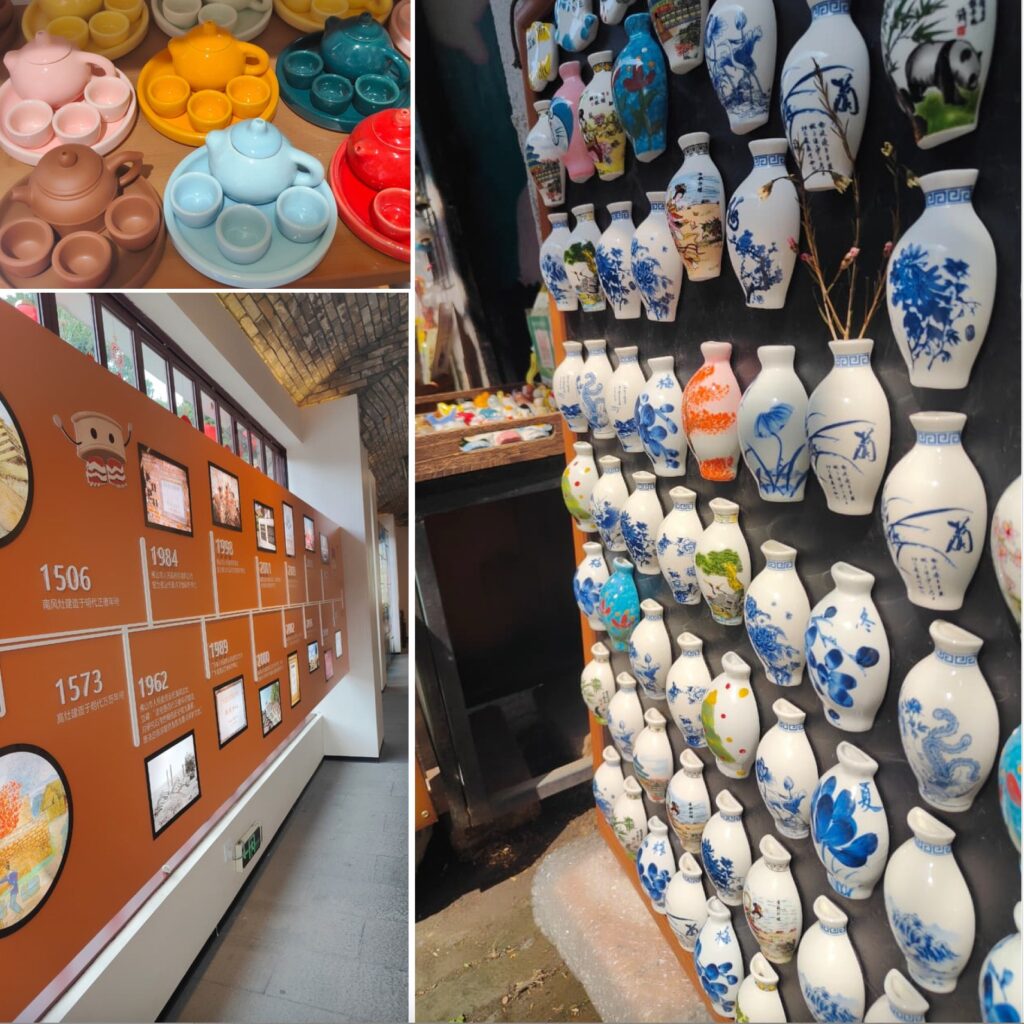
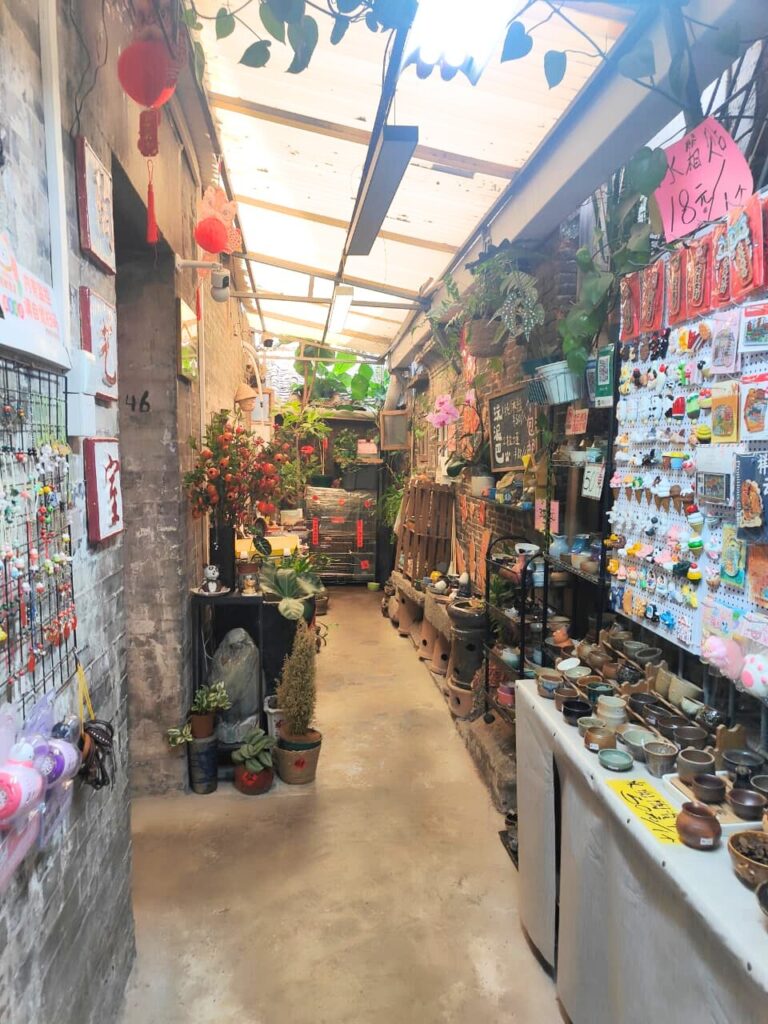
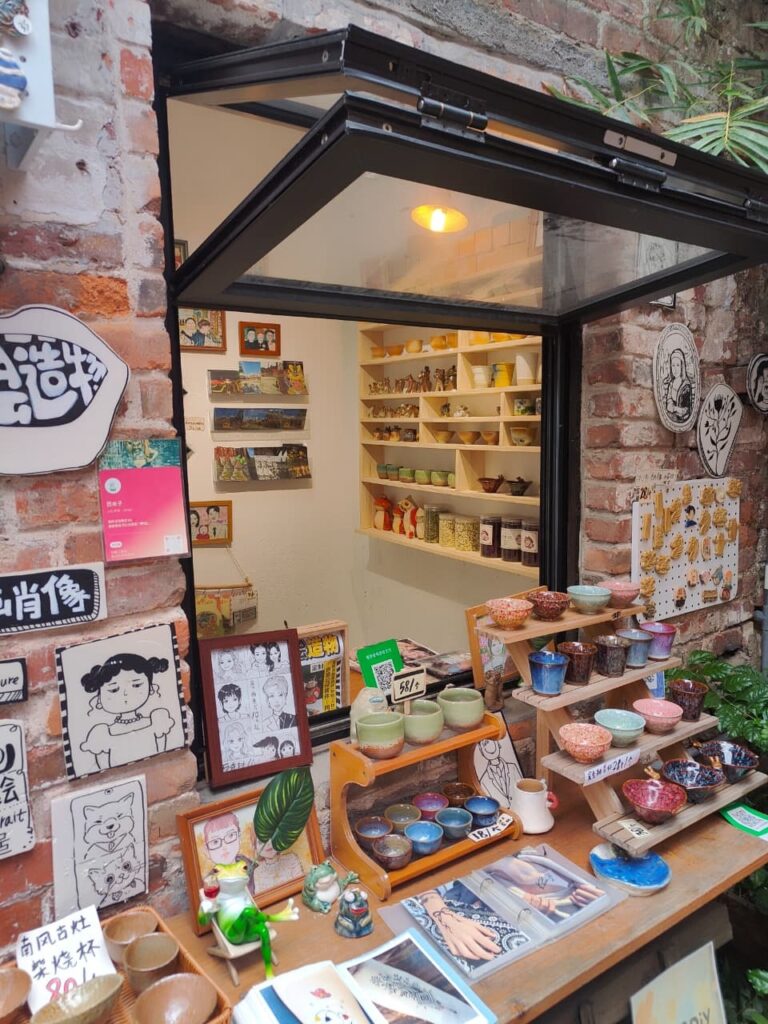
A visit to the Nanfeng Ancient Kiln and surrounding ceramic markets provided a powerful contrast. Here, centuries-old craft practices revealed the depth of material knowledge and cultural narratives embedded in traditional making processes. This juxtaposition highlighted the continuum between handcrafted traditions and industrial evolution, reinforcing the importance of material sensitivity in design.
Academic Exchange & Collaborative Learning
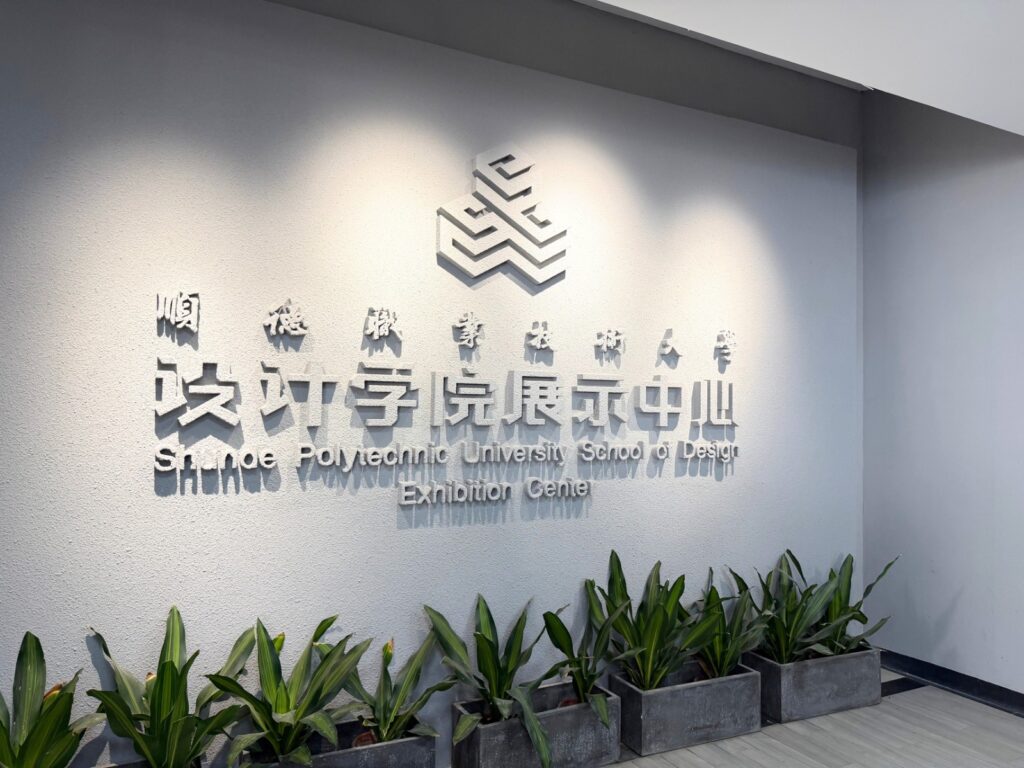
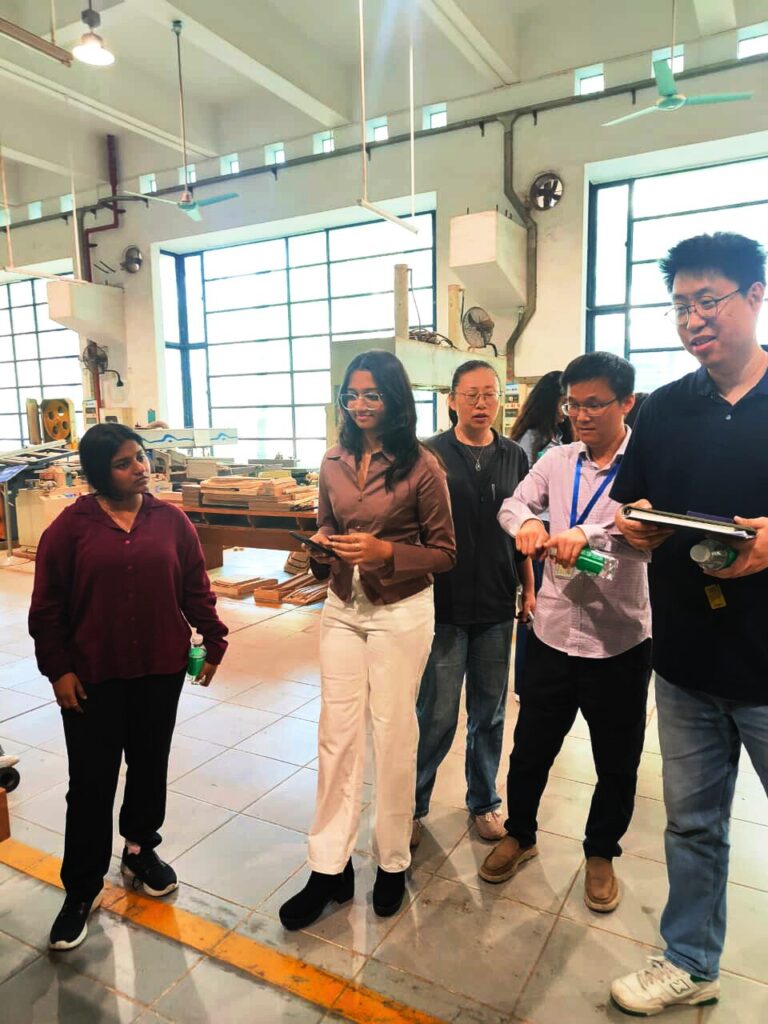
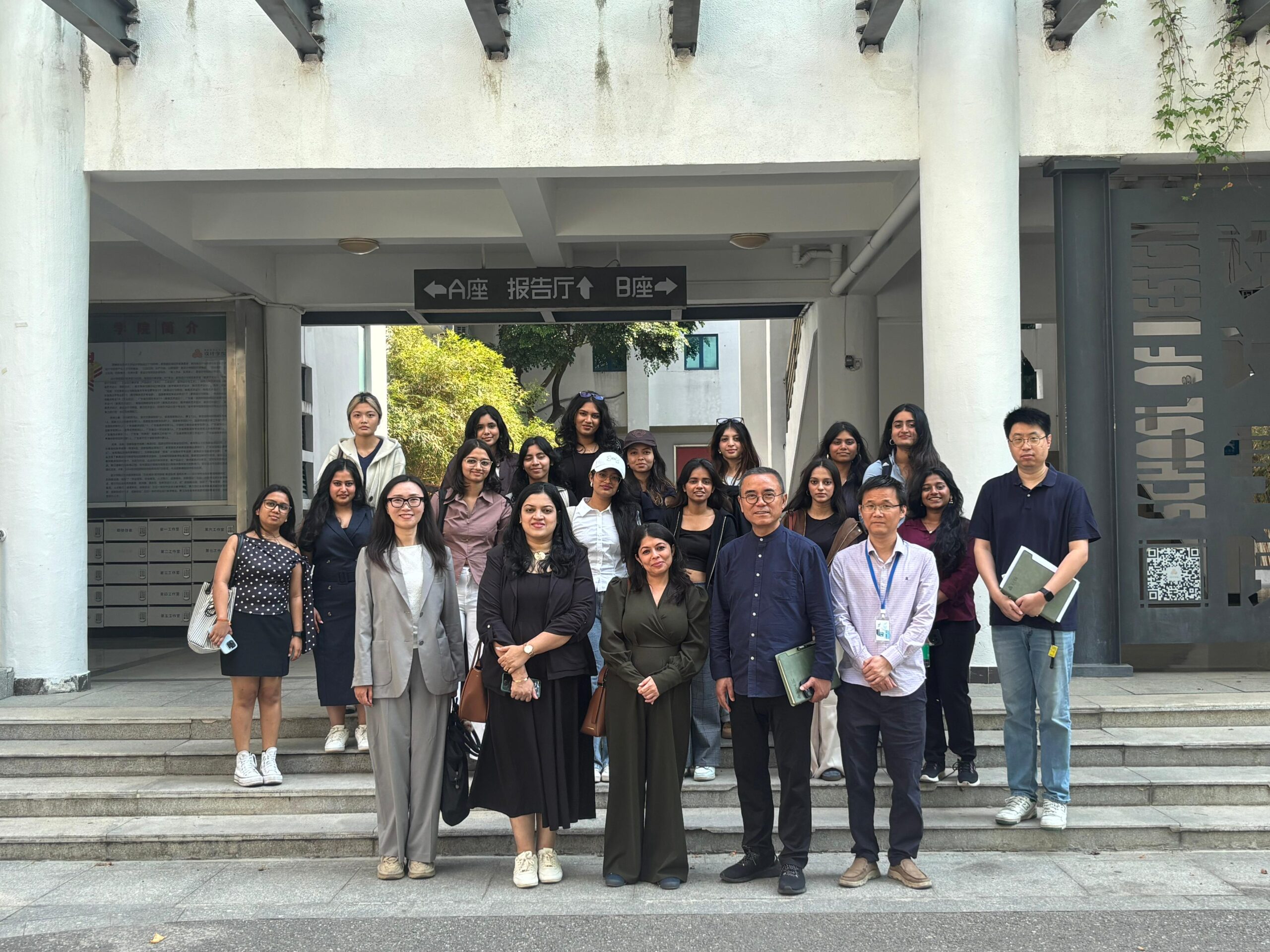
A key highlight of the immersion was the academic exchange with leading institutions, including Shunde Polytechnic University and the Guangzhou Academy of Fine Arts.
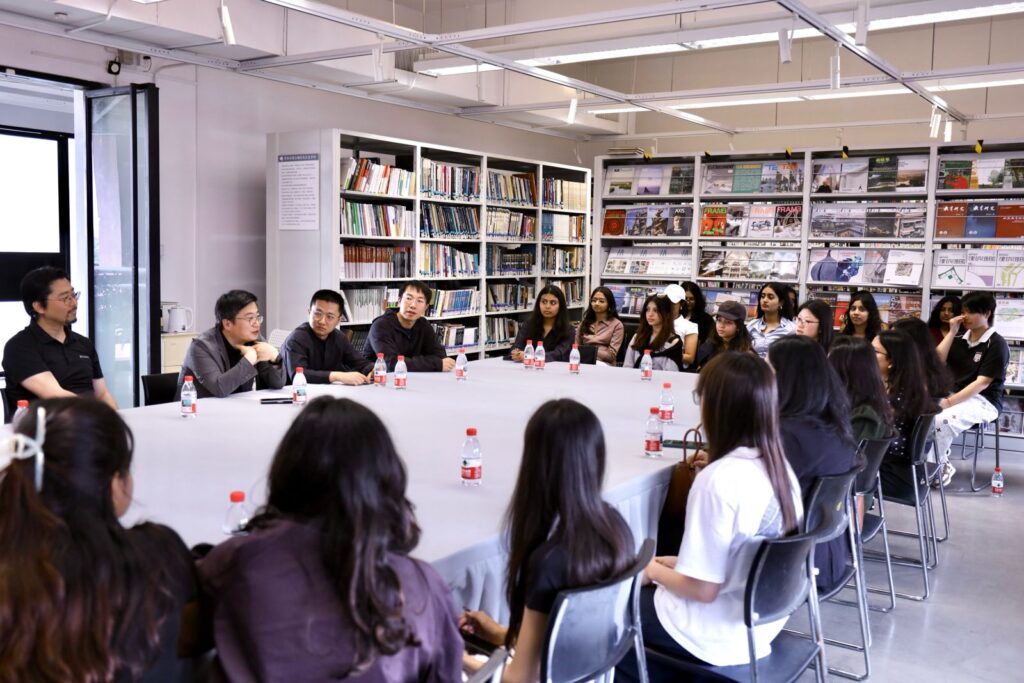
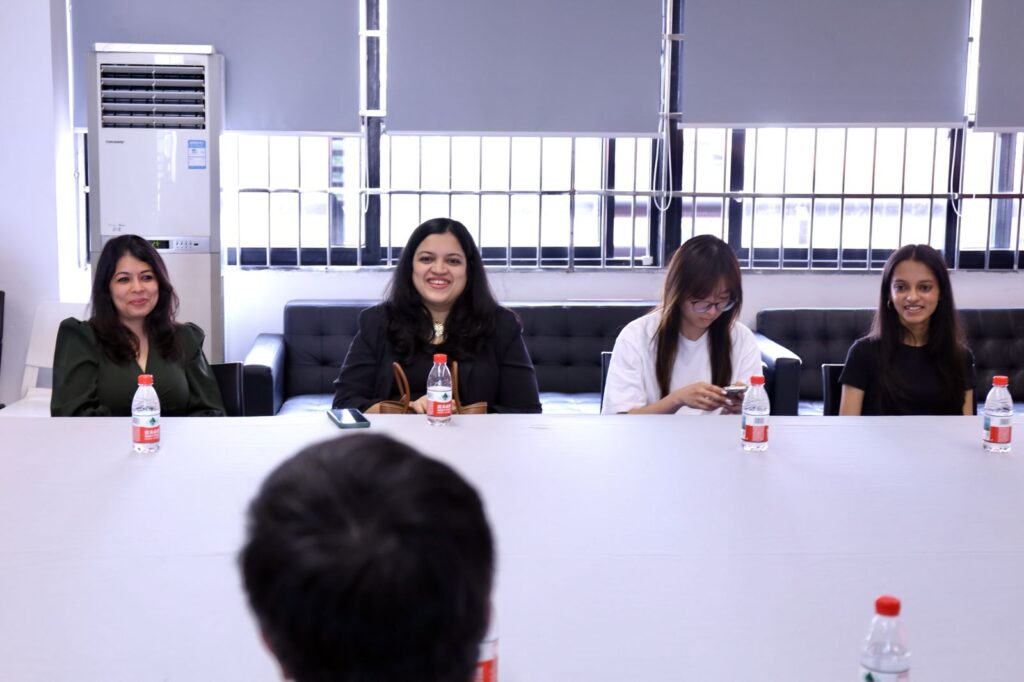
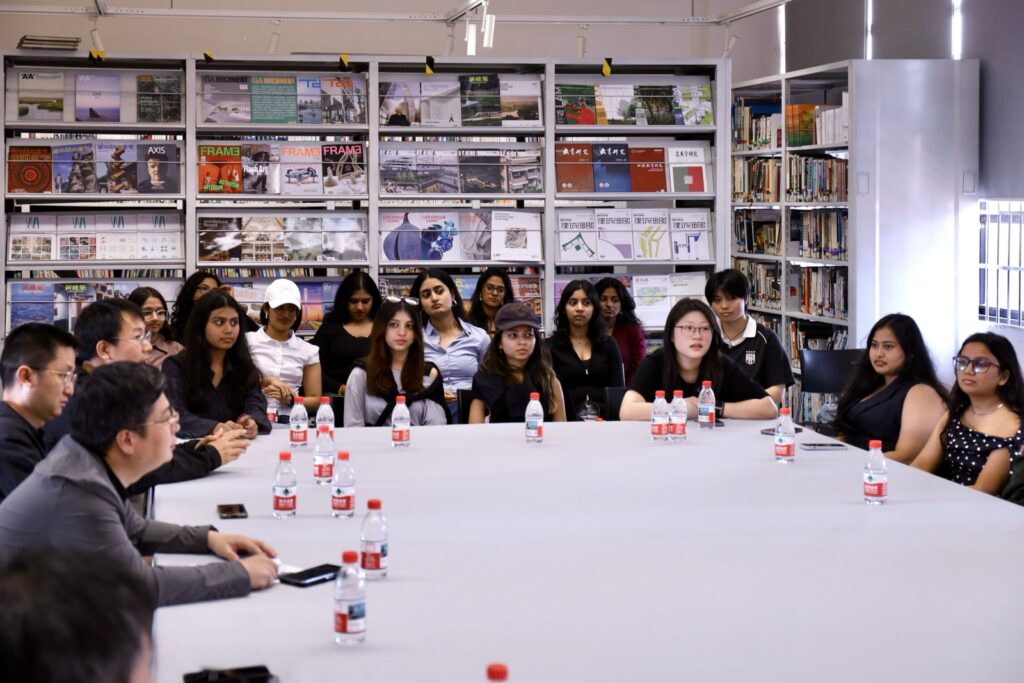
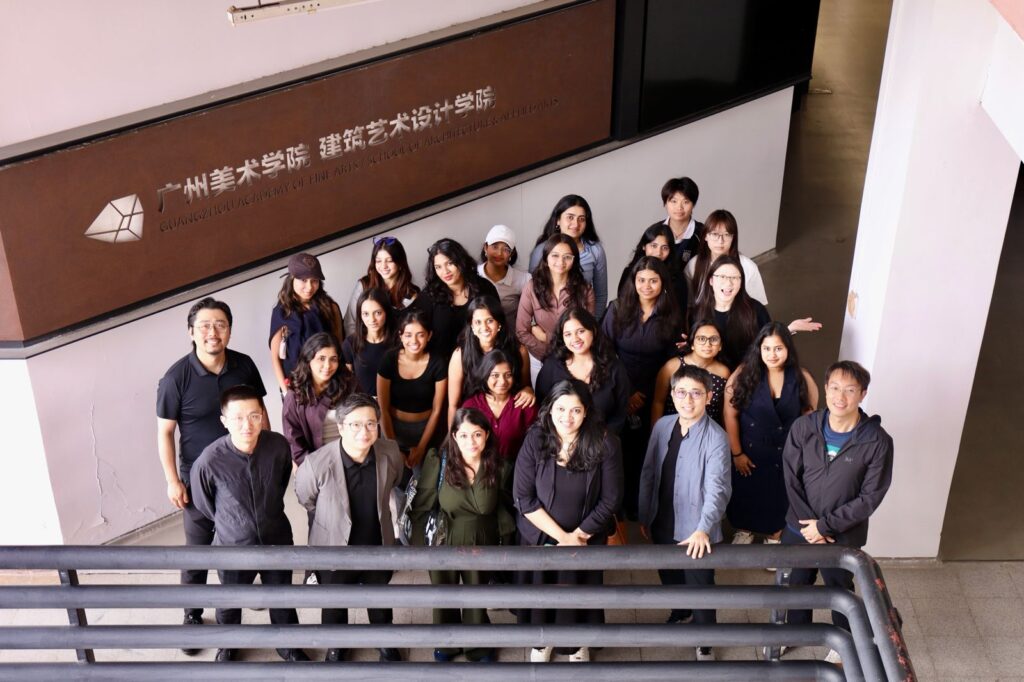
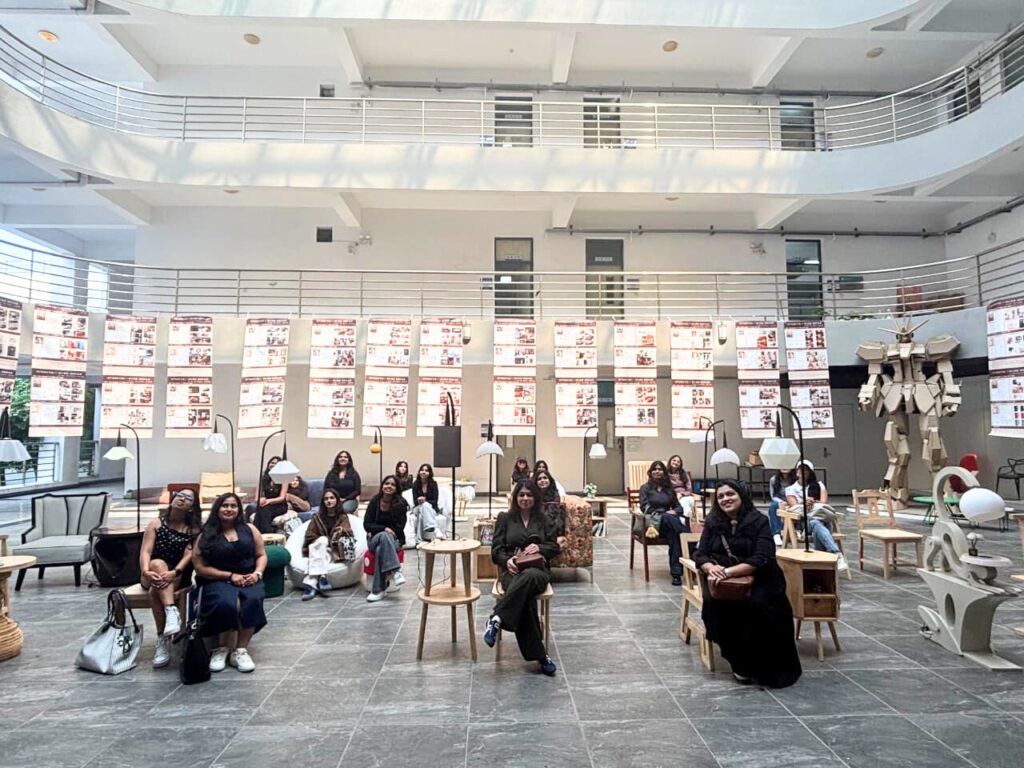
Through presentations, campus tours and interactive discussions, students and faculty engaged in meaningful dialogue on pedagogy, studio practices and emerging design approaches. These interactions not only broadened academic perspectives but also fostered cross-cultural connections, encouraging students to view design through a more global, collaborative lens.
Urban Markets & Design Ecosystems
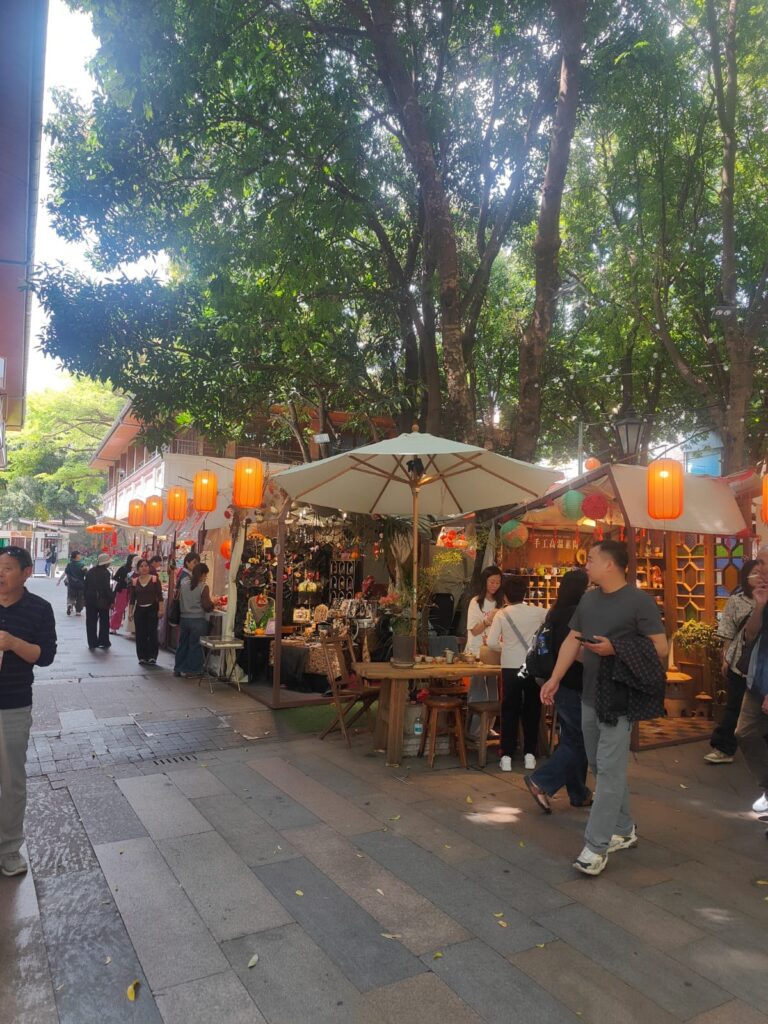
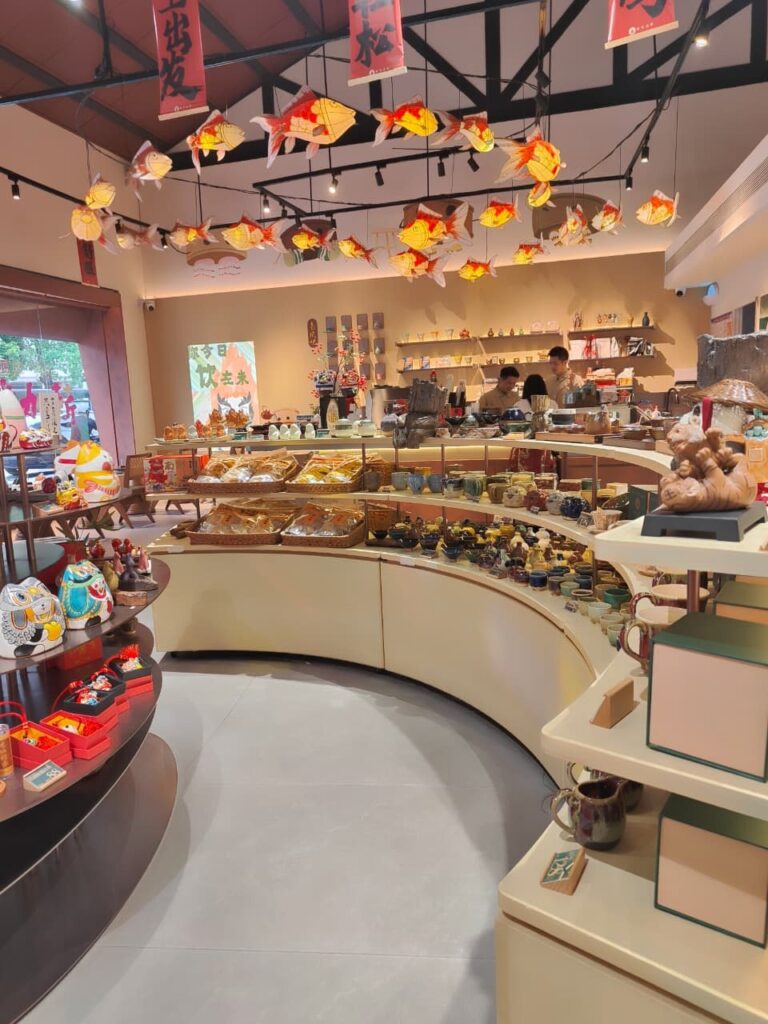
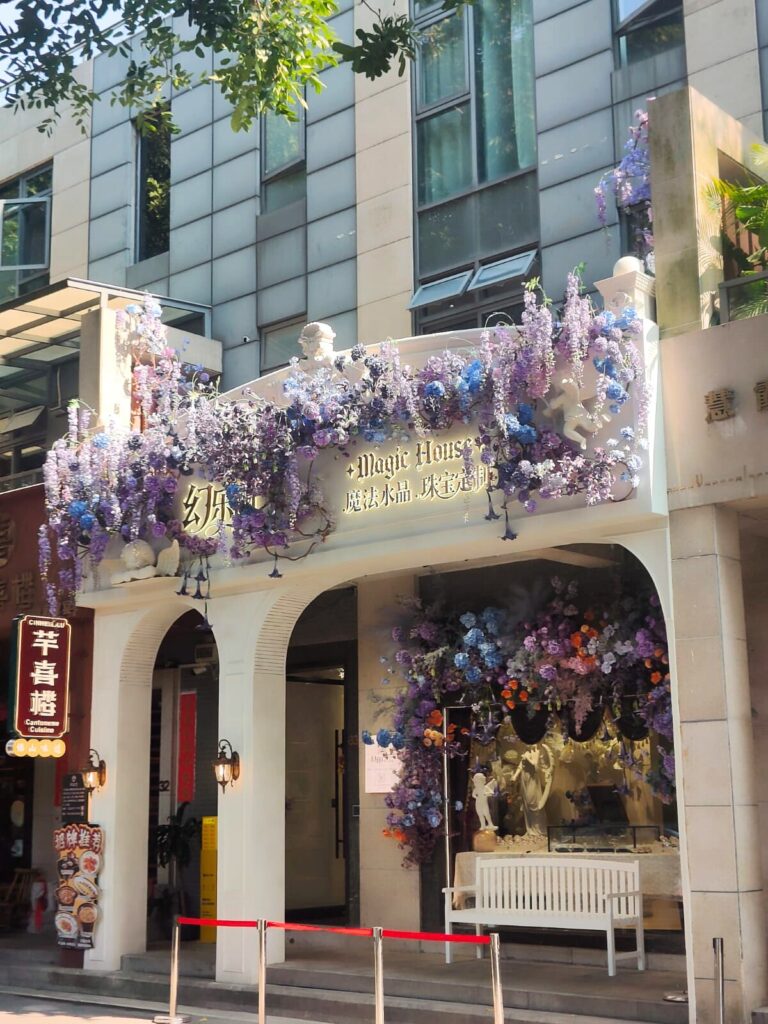
As the immersion progressed, students explored the dynamic urban environments of Guangzhou. Visits to Beijing Road and the Baima Market offered first-hand exposure to large-scale retail ecosystems, where design intersects with commerce, consumer behaviour and cultural expression.
Students analysed visual merchandising strategies, retail layouts and product ecosystems, gaining valuable insights into how design responds to the pace and scale of contemporary urban markets.
An unforgettable highlight was the visit to the Guangzhou Opera House, designed by renowned architect Zaha Hadid. Experiencing its fluid architectural form, innovative structural language and integration within the city’s cultural landscape allowed students to reflect on the role of landmark architecture in shaping urban identity.
Design at the Scale of Infrastructure
The immersion concluded with a visit to Hong Kong International Airport, an exemplar of large-scale spatial planning and user-centric design. Beyond its function as a transit hub, the airport offered insights into seamless circulation, wayfinding systems and integrated passenger experiences, demonstrating how design operates at the scale of global infrastructure.
Building Globally Aware Designers
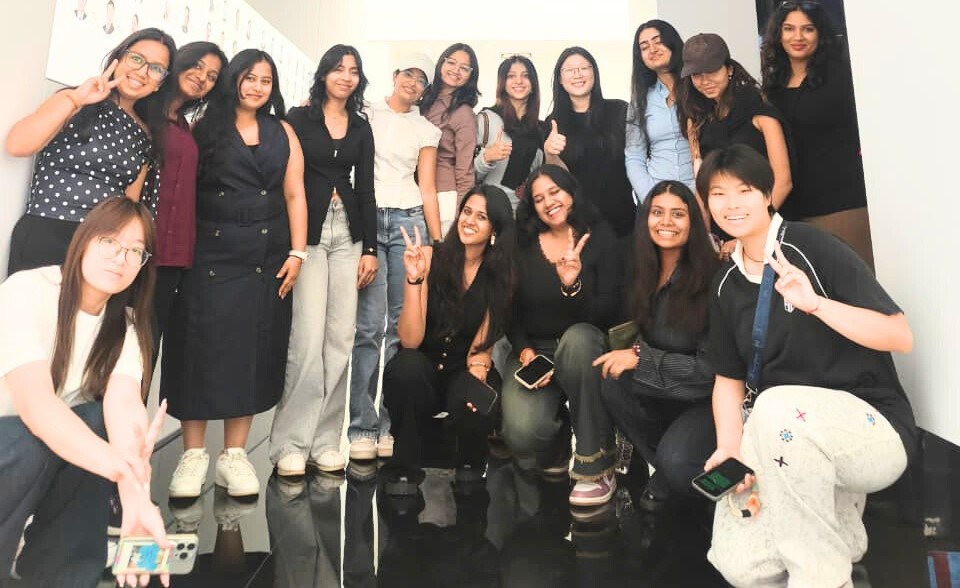
More than a study tour, this immersion was an exercise in observation, analysis and contextual understanding. Across industry visits, cultural explorations and academic exchanges, students developed a nuanced perspective on how design adapts to different environments, economies and cultures.
By engaging with real-world systems and global networks, they strengthened their critical thinking, expanded their creative approaches and built an awareness that extends beyond borders.
A Commitment to Experiential, Global Learning
This initiative reflects ATLAS ISDI’s commitment to experiential learning, interdisciplinary education and global engagement. By immersing students in diverse contexts, ISDI ensures they graduate not only with technical skills, but with the cultural intelligence and industry readiness required to shape the future of design.