




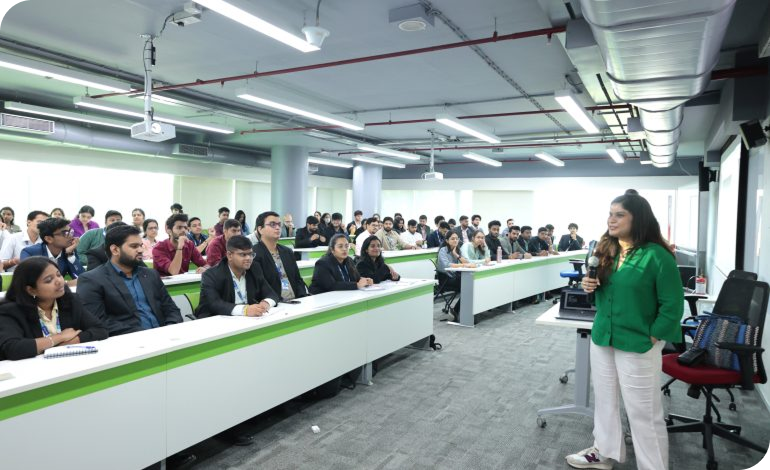
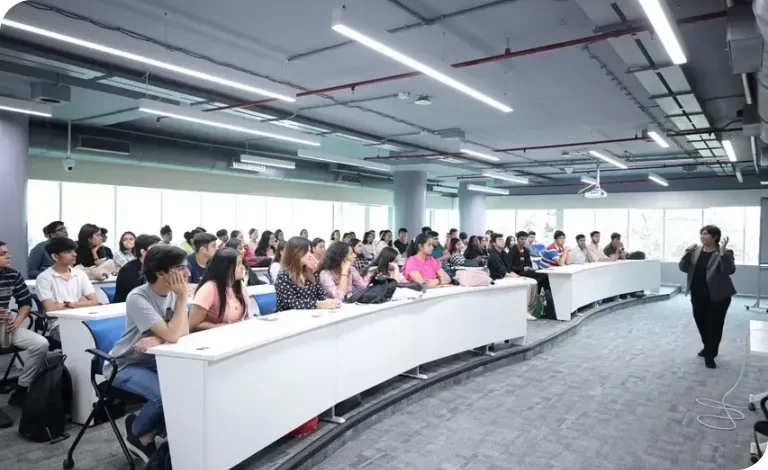

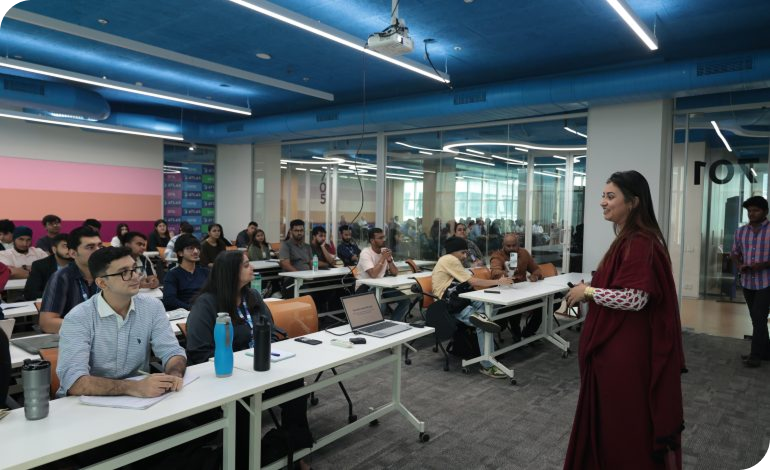

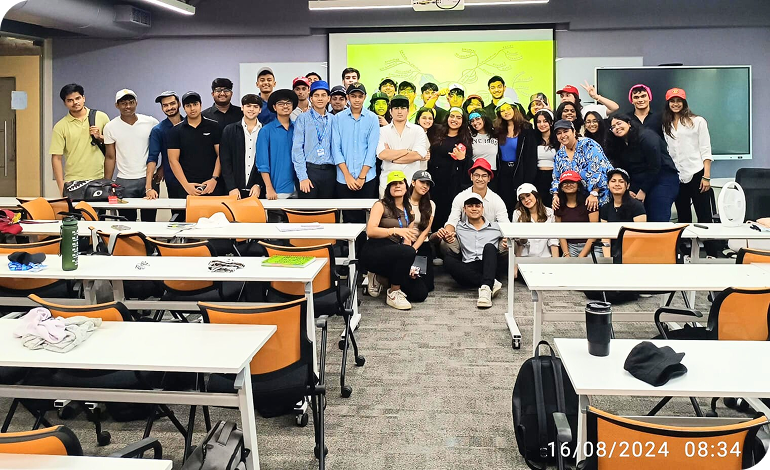



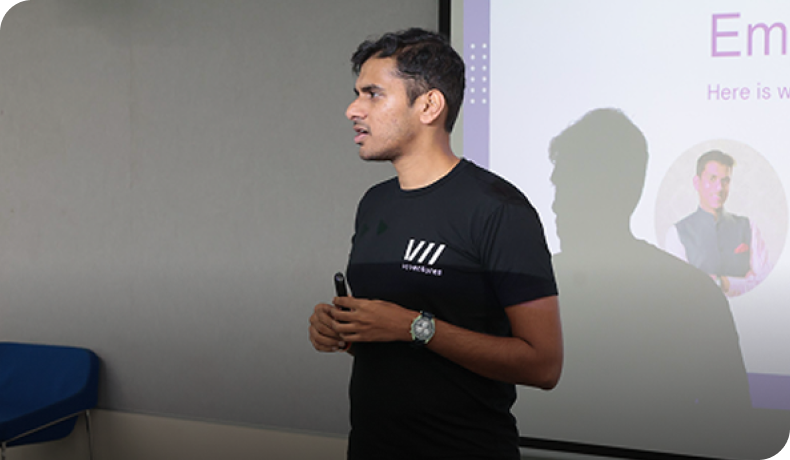

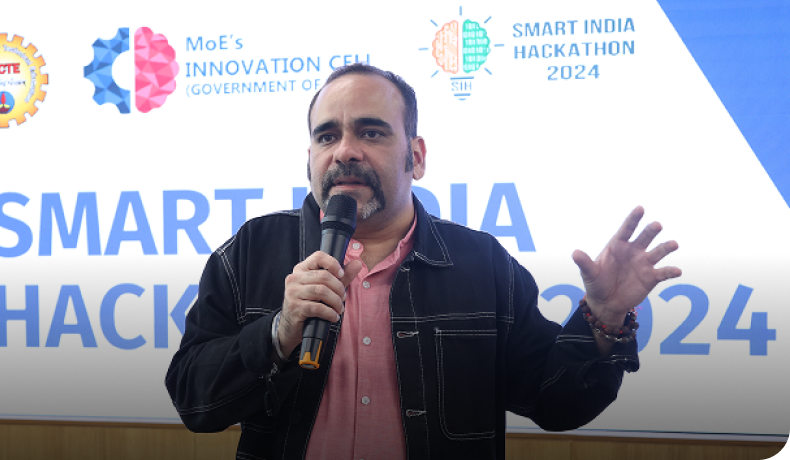










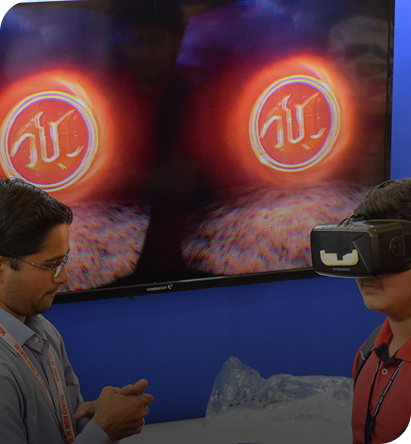
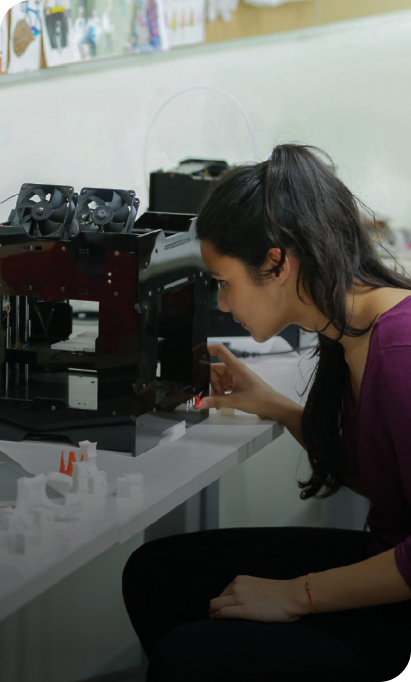
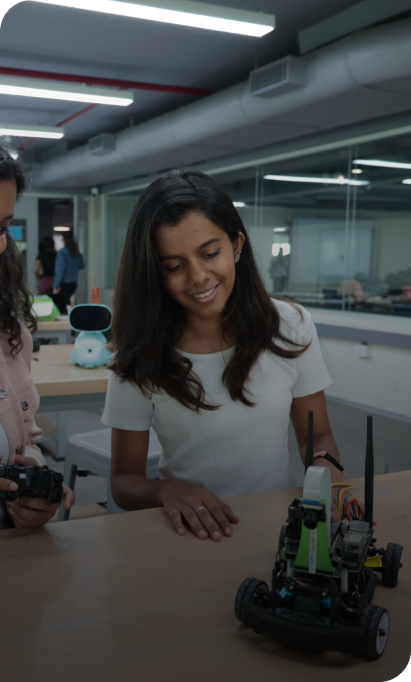








ATLAS supports student entrepreneurs through mentorship, project-based learning, industry exposure and access to innovation-driven spaces where ideas can be developed and tested. Students are encouraged to turn classroom concepts into real-world ventures.
Yes. Students can work on startups while studying. The academic structure is flexible enough to allow them to explore business ideas alongside coursework, often integrating projects and assignments with their entrepreneurial work.
ATLAS promotes entrepreneurship through innovation-driven learning, startup-focused projects, entrepreneurship challenges, mentoring opportunities and industry engagement initiatives that help students understand how to build, test and scale business ideas.
Yes. Students get access to mentors from industry, including entrepreneurs, business leaders and domain experts. This guidance helps them refine ideas, build business models and understand real market challenges.
Students build skills like problem-solving, design thinking, business strategy, financial planning, pitching and product development. They also learn how to work in teams, handle uncertainty and think creatively under real-world constraints.
The ecosystem gives students a safe space to experiment, fail and improve their ideas. With access to mentors, peers and industry feedback, students can test concepts early and gain practical experience in building ventures.
Yes. ATLAS encourages students from all disciplines to explore entrepreneurship. Whether they come from design, technology or business streams, they are supported in developing ideas and learning the basics of building a venture.
Entrepreneurship is a key advantage because it prepares students for a fast-changing job market where creating opportunities matters as much as finding them. ATLAS focuses on practical learning that helps students become job-ready and also venture-ready.