








.svg%201.png)







































.png)









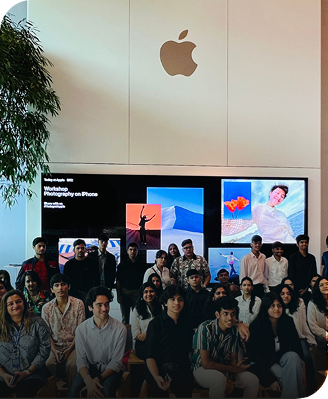

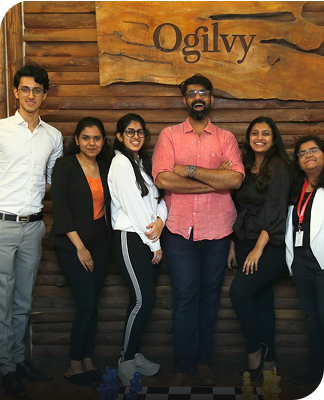

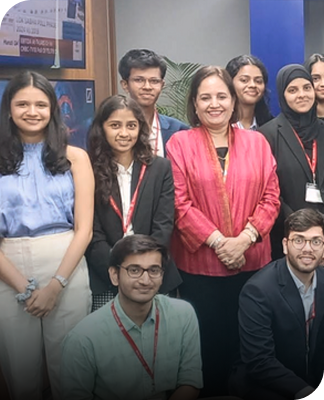

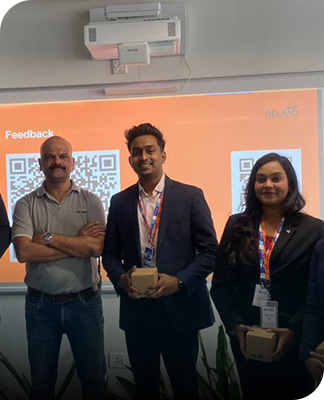





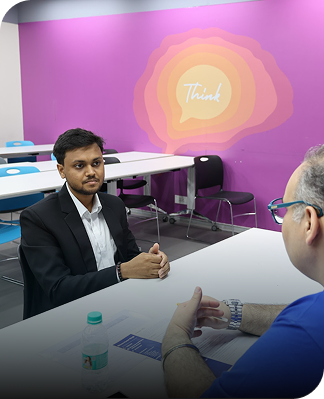
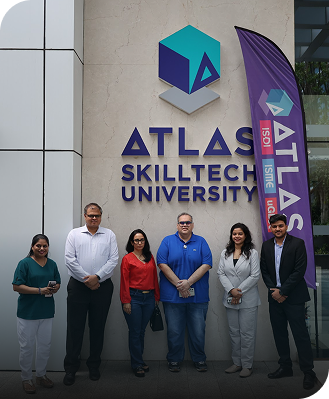
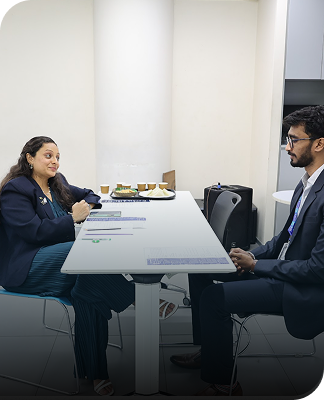
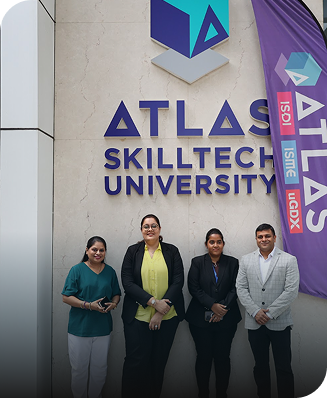


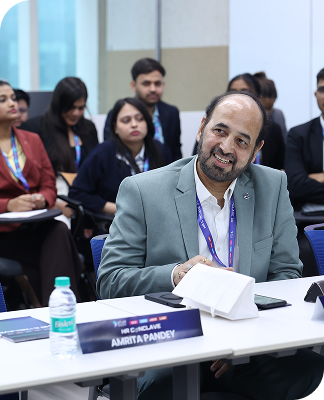
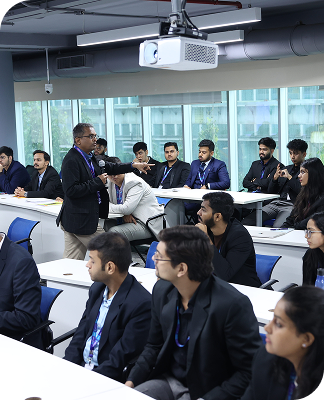
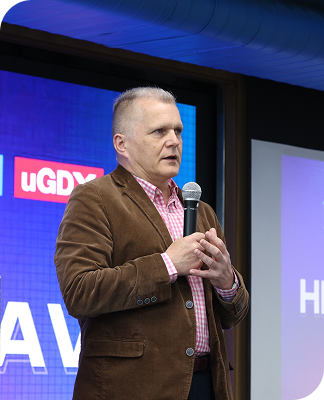
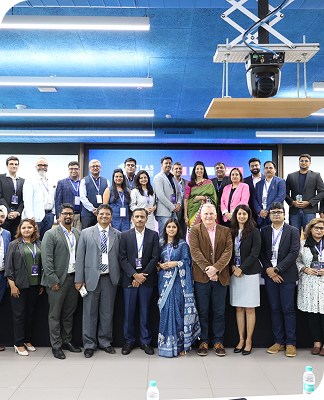
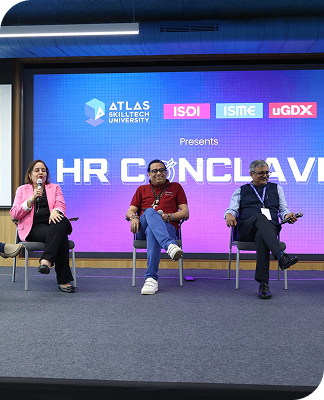
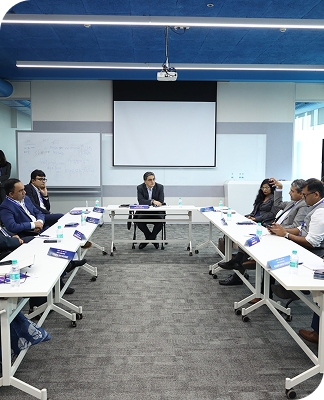

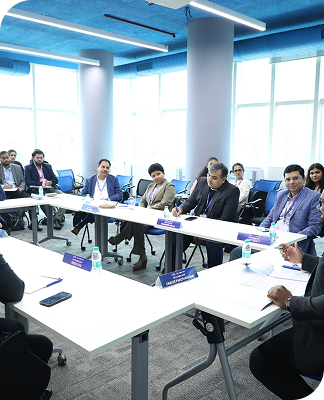
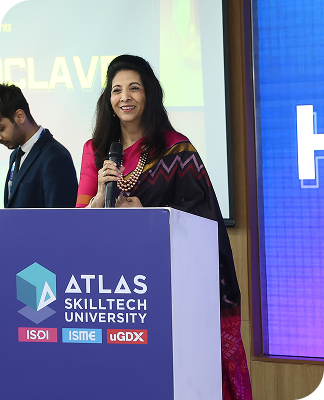
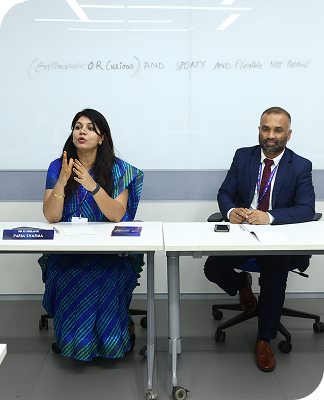
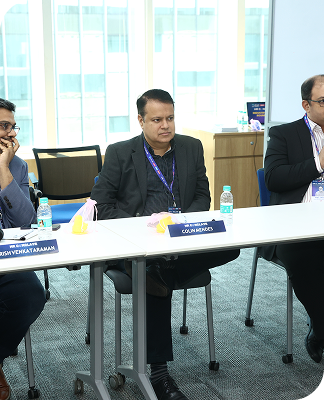

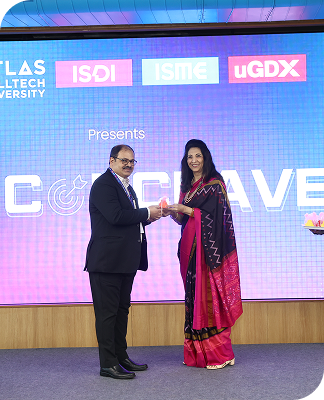
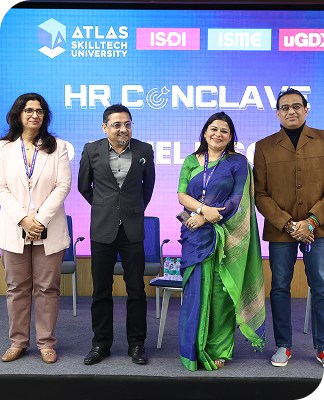


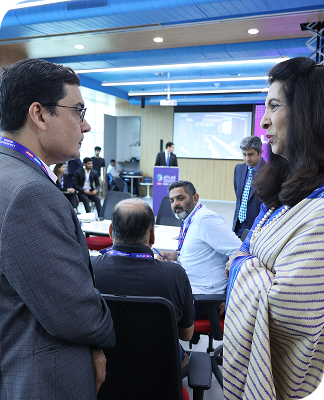

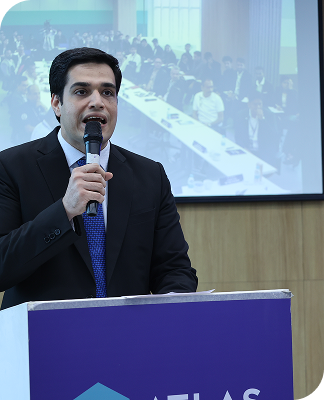
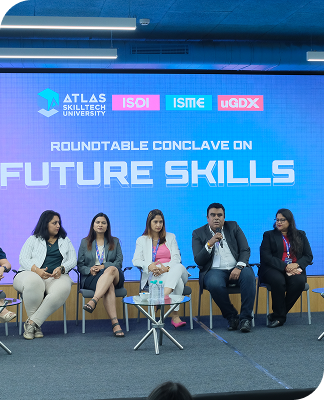
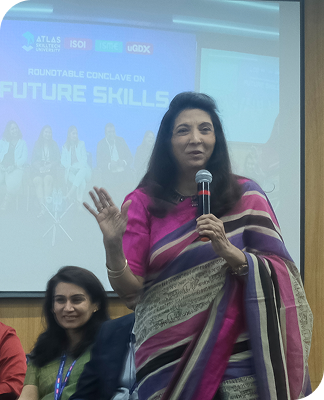












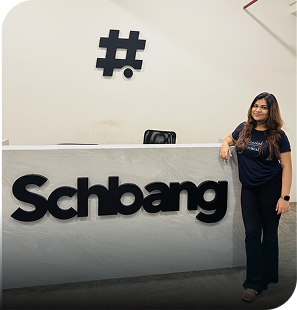
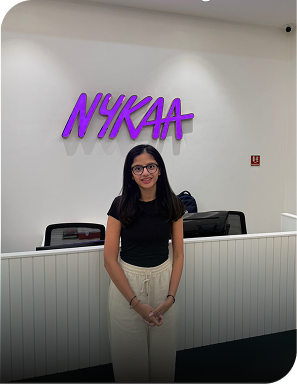


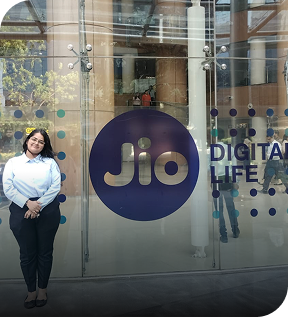






Industry-oriented education helps students develop practical skills that employers value. It bridges the gap between classroom learning and workplace expectations, making graduates more confident, capable and job-ready.
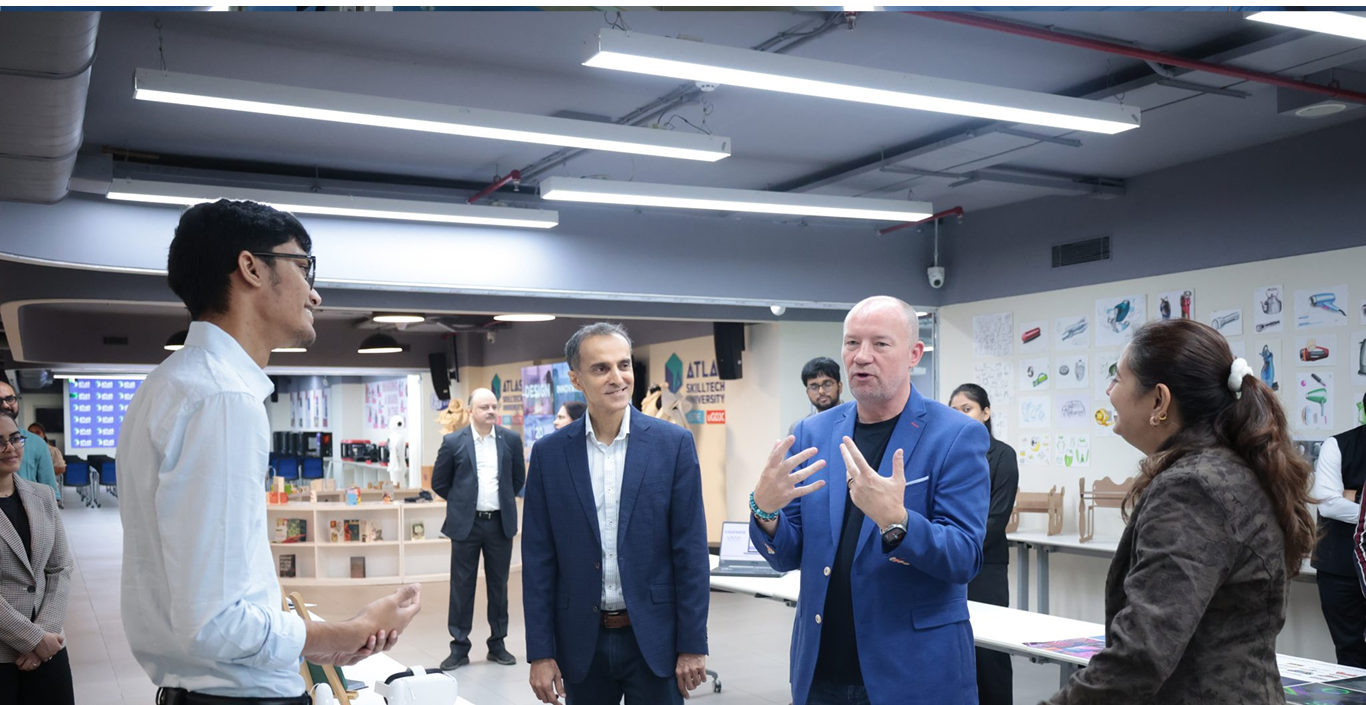
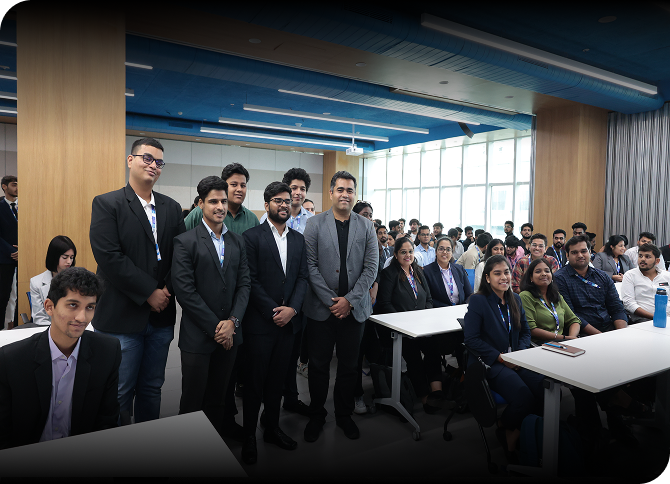
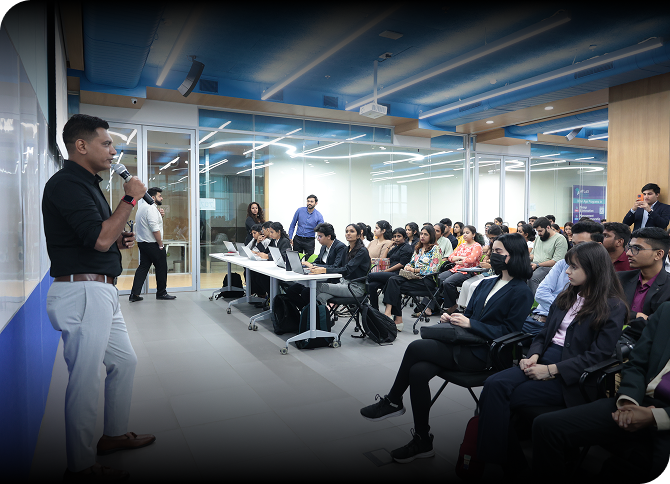
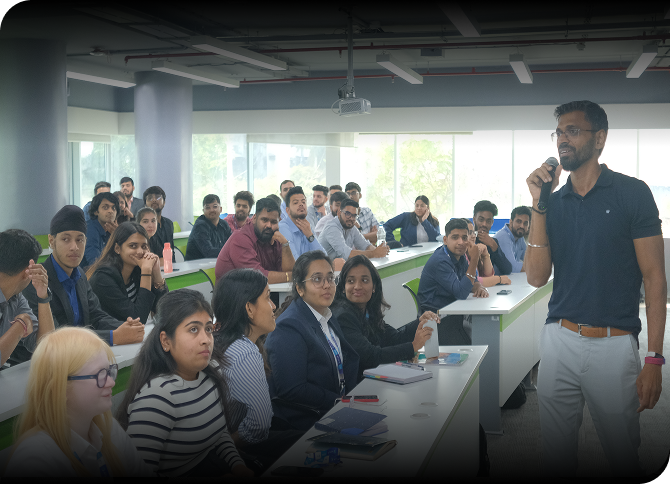
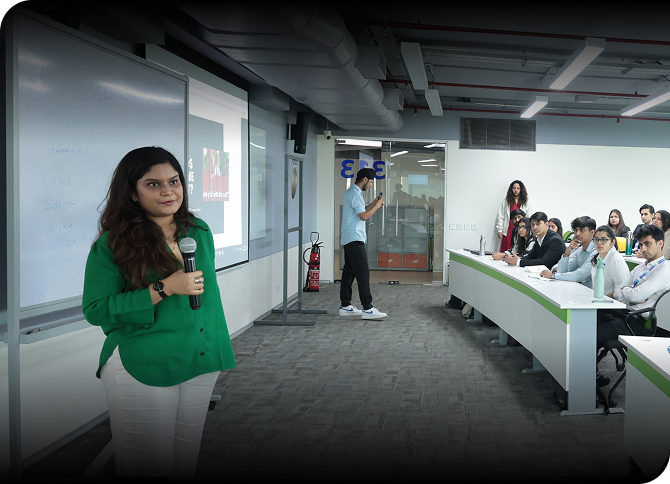
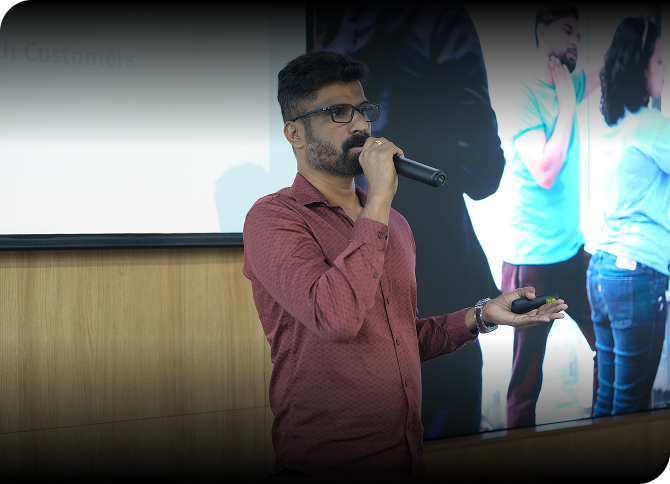
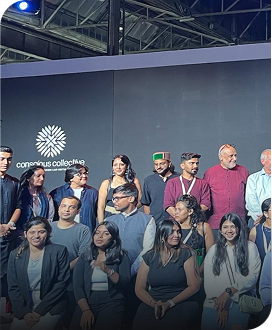
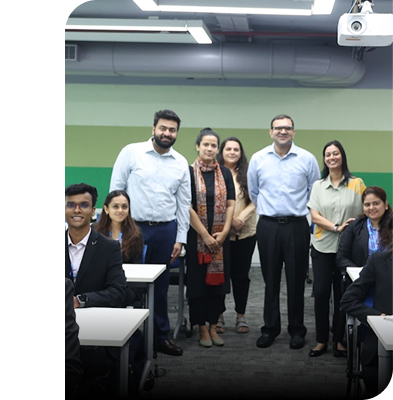
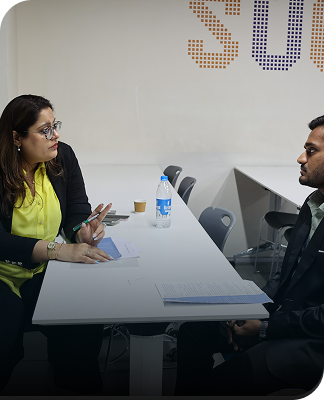
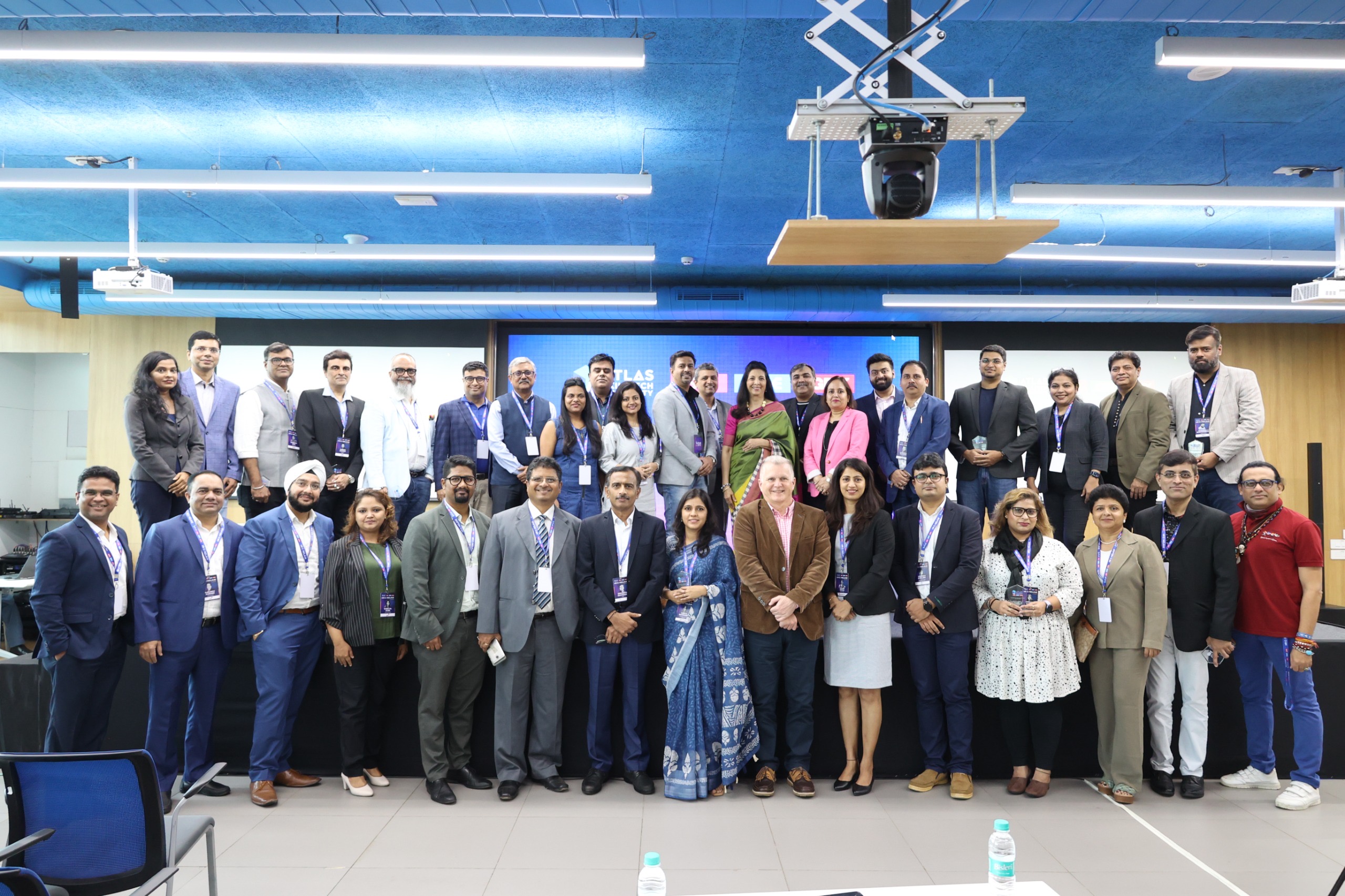
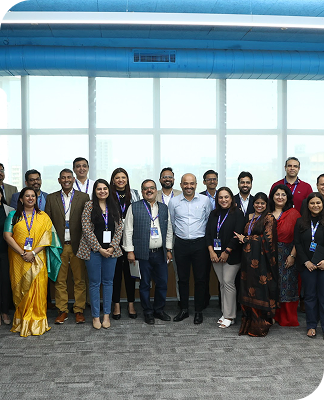
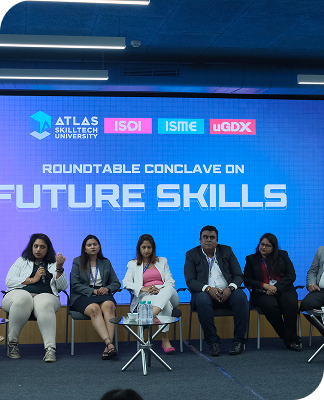
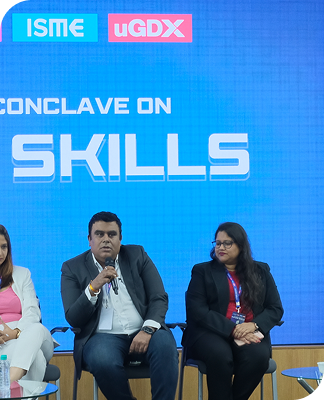
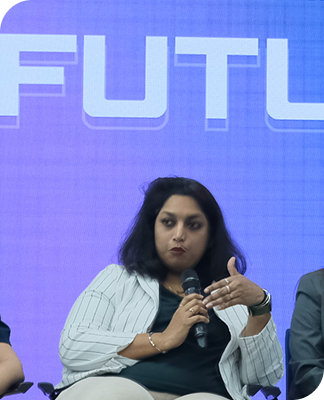
Industry exposure allows students to understand real business challenges, build professional networks and gain hands-on experience. This practical understanding makes them more attractive to recruiters and better prepared for their careers.
An industry-integrated curriculum combines academic learning with real-world applications. It includes case studies, live projects, internships, workshops and industry interactions that help students apply concepts in practical settings.
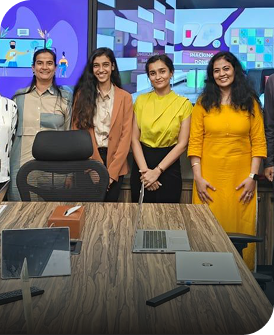
Students can gain real-world experience through internships, live projects, industry collaborations, field visits, workshops and mentorship opportunities. These experiences provide valuable insights into professional environments before graduation.
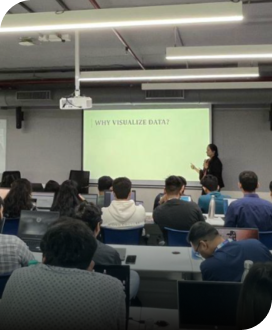
Experiential learning helps students learn by doing. By working on real projects and solving practical problems, they develop critical thinking, adaptability, teamwork and problem-solving skills that are essential for career growth.
An industry-centric university keeps its curriculum aligned with current market needs. Students learn relevant skills, interact with industry professionals and gain practical experience that prepares them for evolving career opportunities.
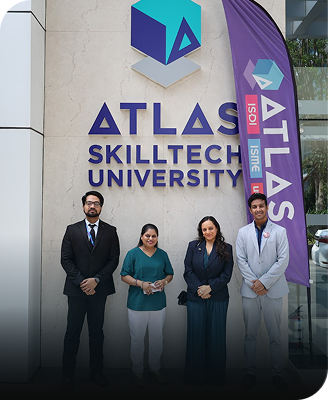
Yes. ATLAS students regularly work on live industry projects, giving them opportunities to solve real-world challenges, collaborate with professionals and gain practical experience while studying.
Industry-led learning helps students build technical expertise, communication skills, leadership abilities, problem-solving capabilities, teamwork, critical thinking and professional confidence.
An industry-connected university offers direct exposure to professional environments, practical learning opportunities and valuable industry networks. This helps students graduate with stronger portfolios, relevant experience and improved career prospects.
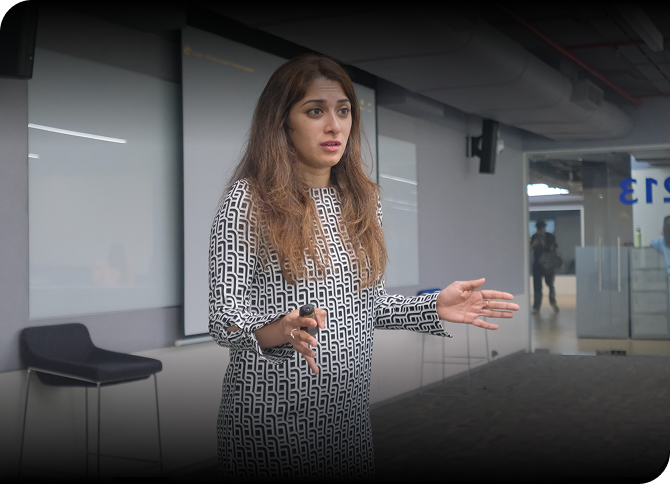
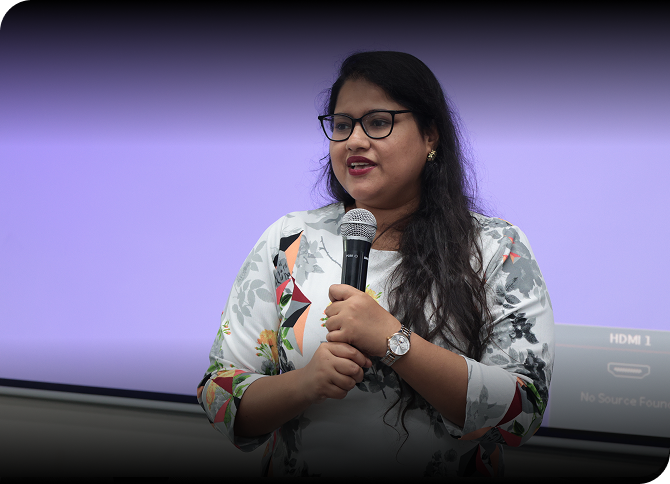
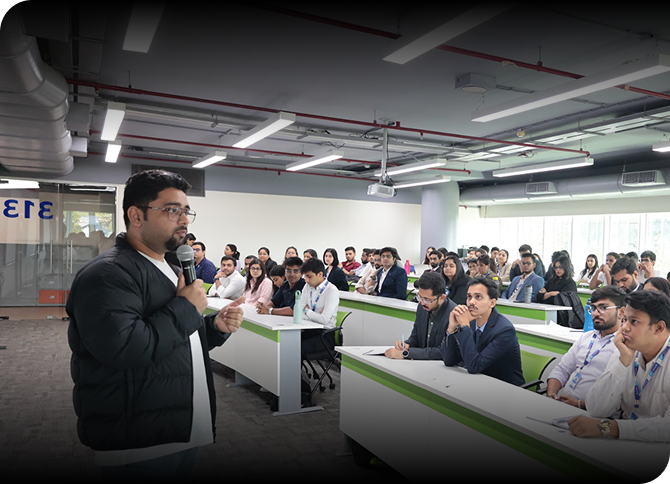
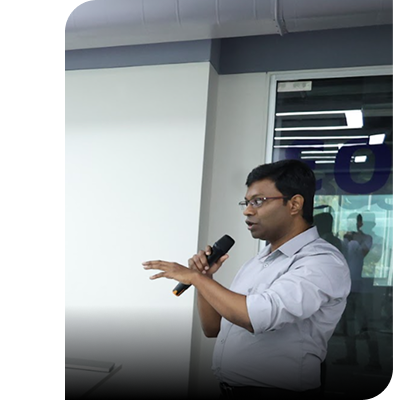
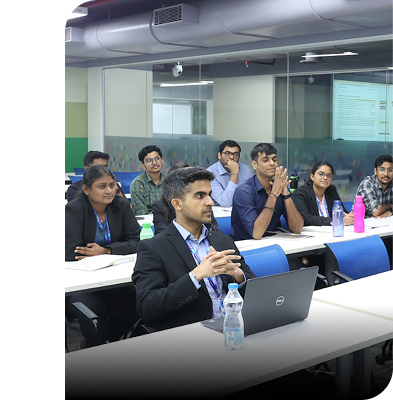
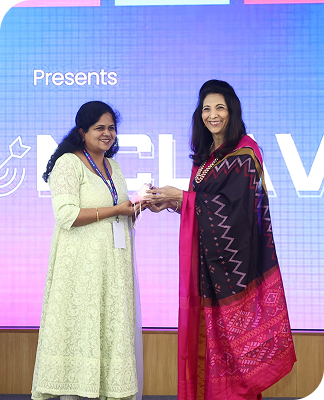
ATLAS provides industry exposure through live projects, internships, industry mentorship, workshops, guest lectures, corporate collaborations and experiential learning opportunities. These experiences help students connect classroom knowledge with real-world applications and career goals.