


Interior design today is far more than arranging furniture or choosing colors. It has become all about shaping experiences, enhancing functionality, and creating spaces that reflect the personality, lifestyle, and aspirations of those who inhabit them. Every element, from lighting and materials to spatial planning and decor, contributes to an environment that is not only visually appealing but also practical, comfortable, and meaningful.
In India, the rapid pace of urbanization, the rise of luxury homes, and the expansion of hospitality and commercial sectors have fueled an unprecedented demand for skilled interior designers who can combine creativity with technical expertise. This makes pursuing the right interior design degree a critical decision for aspiring designers who want to stay ahead in an increasingly competitive industry.
Choosing a program that balances innovation, technology, and professional readiness can set the foundation for a fulfilling career. Institutes like ATLAS ISDI, one of the leading interior design universities in India, offer students exactly this, opportunities to master design fundamentals, explore advanced digital tools, engage with real-world projects, and gain industry exposure that prepares them for high-impact careers.
Whether it's a bachelor home design , bachelor of interior design, or masters in interior design , ATLAS ISDI emphasizes a holistic approach that nurtures creativity, hones technical skills, and cultivates a professional mindset. For students looking to turn their passion for design into a successful and dynamic career, ATLAS ISDI represents more than just an academic program, it is a gateway to becoming part of India's next generation of visionary interior designers.
An interior design bachelor degree equips students with a unique blend of creative, technical, and strategic skills, preparing them to thrive in a dynamic and competitive industry. Interior design is no longer just about making spaces look attractive, it's about solving real-world spatial challenges, enhancing functionality, and creating environments that positively impact the people who use them. A comprehensive interior design program ensures students are well-rounded professionals, ready to handle both artistic and practical demands.
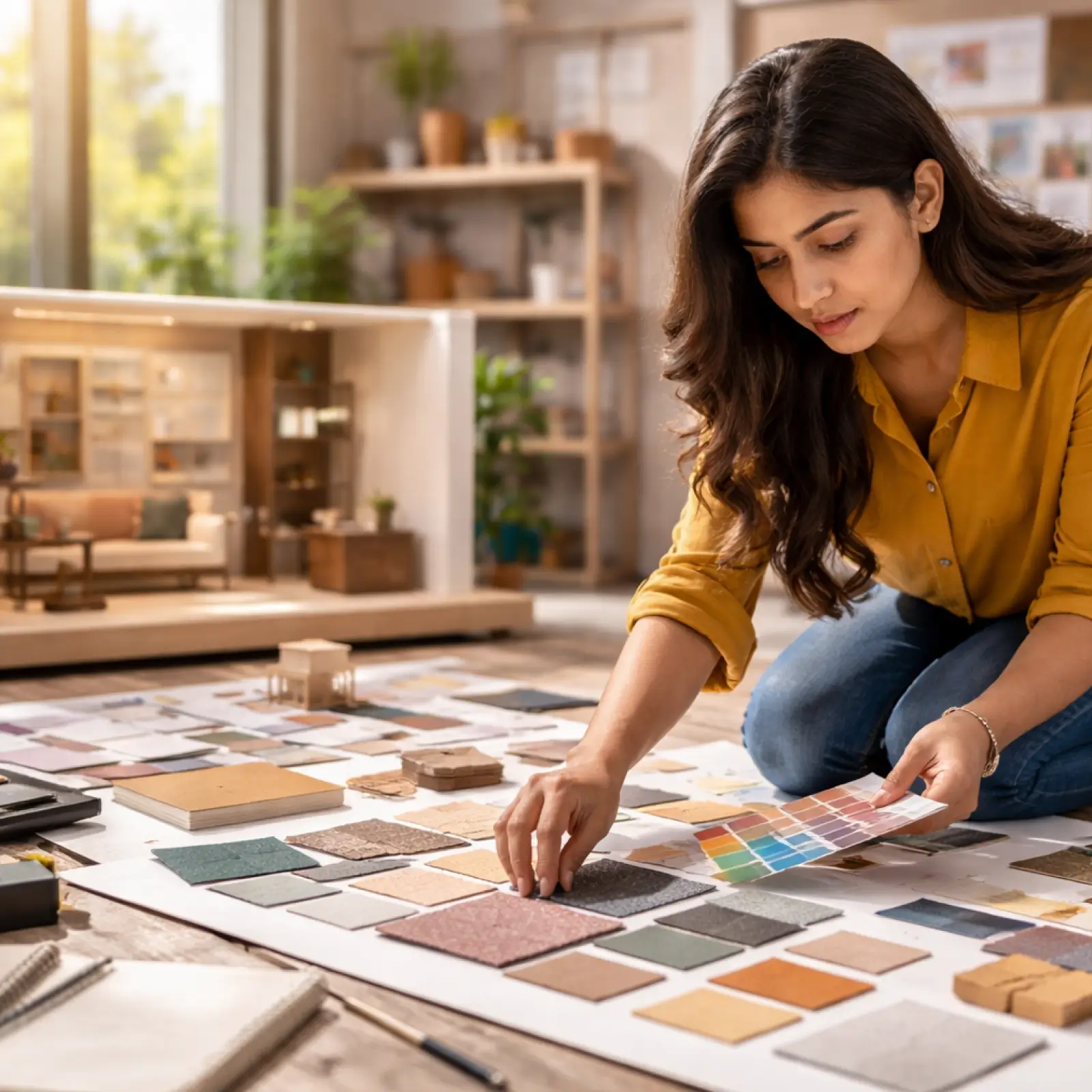
One of the core strengths of interior design programs is the development of creative skills. Students explore color theory, spatial composition, furniture design, lighting concepts, and material selection. They learn how to transform ideas into tangible spaces that are visually harmonious and functionally efficient. Through studio work, hands-on projects, and concept-based assignments, students cultivate an artistic eye while understanding how aesthetics intersect with practicality. This foundation is essential whether you aim for residential design, commercial interiors, or luxury hospitality projects.
Modern interior designers must be proficient with advanced tools and technologies. Programs train students in software like AutoCAD, Revit, SketchUp, and 3D modeling, enabling them to create precise floor plans, 3D visualizations, and virtual walkthroughs. Understanding these digital tools not only streamlines the design process but also allows designers to communicate their ideas clearly to clients, contractors, and stakeholders. Technical knowledge bridges creativity with execution, ensuring designs are not only beautiful but buildable.
A strong interior design program emphasizes real-world experience. Students engage in internships, live projects, workshops, and collaborative assignments, gaining hands-on exposure to professional workflows. They learn to manage client expectations, budgets, timelines, and project logistics. This practical training prepares graduates to step into the workforce confidently, whether joining a design firm, consulting for a business, or launching their own interior design venture.
Sustainability has become a defining factor in modern design. Contemporary interior design programs emphasize eco-friendly materials, energy-efficient lighting, and sustainable practices. Students are trained to think critically about resource usage, material sourcing, and environmental impact. By integrating sustainability into design thinking, graduates can create spaces that are not only stylish and functional but also responsible and future-ready.
Whether pursuing a bachelor of interior design, a or a bsc interior design , students leave with a foundation that balances aesthetics, functionality, and technology. This holistic skill set ensures they are prepared to tackle diverse projects across residential, commercial, and hospitality sectors while staying ahead of evolving industry trends.
The field of interior design is evolving at an unprecedented pace. With rapid technological advancements, changing lifestyles, and a growing focus on sustainability, designers are expected to go beyond traditional aesthetics. Understanding the latest trends not only helps students choose the right interior design degree but also ensures they develop the skills needed to succeed in a modern and competitive industry. Here are the key trends shaping interior design schools and interior design degree in 2026
The concept of smart homes has moved from futuristic fantasy to practical reality. Interior designers are increasingly incorporating Internet of Things (IoT) technologies into residential and commercial spaces. This includes automated lighting, climate control, security systems, and connected appliances. Modern designers must plan spaces that seamlessly integrate these technologies without compromising on aesthetics or functionality. Graduates with experience in designing technology-enabled interiors are highly sought after, particularly in urban housing and luxury developments.
Sustainable design is no longer optional. It is a standard requirement in both residential and commercial projects. Designers are exploring eco-friendly materials , such as reclaimed wood, recycled metals, and low-VOC paints, as well as energy-efficient lighting and insulation solutions. Understanding sustainability involves more than materials; it also encompasses water and energy management, waste reduction, and low-carbon footprint strategies. Students pursuing a bsc interior design or a bachelor of interior design now need to be proficient in sustainable practices , as these are increasingly demanded by clients and regulatory bodies.
With urbanization and rising real estate costs, designers face the challenge of maximizing functionality in limited spaces . This has led to innovative solutions such as modular furniture, foldable walls, multipurpose rooms, and hidden storage. A well-designed compact space can feel spacious, functional, and stylish at the same time. Interior design schools programs that train students in space optimization techniques prepare them to meet the needs of modern urban living, making them highly adaptable for residential, co-living, and commercial projects.
Minimalist design continues to dominate global trends, but there is a growing emphasis on personalized interiors. Spaces are clean, uncluttered, and functional, yet infused with the personality of the occupant or brand identity. This trend requires designers to combine restraint with creativity, selecting the right materials, color palettes, and textures while integrating custom elements that make the space unique. Students who learn how to balance simplicity with personal storytelling will have a competitive edge in both interior decorator degree and full-scale interior design careers.
The shift toward hybrid work models has transformed office design. Companies now require flexible, multi-use spaces that accommodate remote collaboration, wellness zones, and productivity-enhancing layouts. Designers and interior design schools must consider ergonomics, lighting, acoustics, and social areas while creating adaptable environments. Graduates skilled in planning hybrid commercial interiors are highly valued by corporate clients, coworking spaces, and hospitality firms seeking versatile, future-ready layouts.
Digital tools are revolutionizing how designers conceptualize and communicate their ideas. Software like AutoCAD, Revit, SketchUp, and 3D visualization platforms, along with VR technology, allow designers and clients to experience spaces before they are built. This reduces errors, improves collaboration, and helps clients make informed decisions. Programs that integrate virtual design tools into their curriculum ensure students graduate with skills that are immediately applicable in professional settings.
Programs that incorporate these emerging trends equip students with a versatile skill set, combining creative design, technical proficiency, and practical application. Whether pursuing a bachelor home design, bachelor of interior design, or masters in interior design, graduates who understand and apply these trends are well-prepared to meet the demands of a rapidly evolving industry. They can confidently take on residential, commercial, and specialized design projects, positioning themselves as forward-thinking professionals ready for the challenges and opportunities of 2026 and beyond.
Graduates with interior design degrees have a wide range of career opportunities that extend across residential, commercial, and hospitality sectors. An interior design program equips students with a combination of creativity, technical skills, and practical experience, enabling them to pursue roles that suit their interests, strengths, and career goals. With the growing demand for well-designed, functional, and sustainable spaces, graduates can carve out specialized paths or take on broader responsibilities that involve both conceptual design and project execution.
Building a strong portfolio, gaining hands-on experience through internships or live projects, and staying updated with industry trends are essential steps to establish a successful career in this field.
Students can explore various professional avenues, including:
By understanding the diverse career paths available after completing a bachelor of interior design , bachelor home design , or bsc interior design , students can make informed decisions about the specialization they wish to pursue and the skills they need to develop. With dedication, a strong portfolio, and professional experience, interior design graduates can thrive in a field that blends creativity, innovation, and practicality while offering long-term growth and opportunities for specialization.
When choosing the right interior design program, it's important to consider factors that will shape both your skills and career prospects. Look for institutes that have proper accreditation and recognition, ensuring the degree is credible and valued by employers. The curriculum should strike a balance between creativity, technical proficiency, and business knowledge, giving you a well-rounded foundation.
Programs that offer practical exposure through internships, live projects, and workshops help translate classroom learning into real-world experience, while experienced faculty provide mentorship that guides both artistic and professional growth. Integration of modern technology, including 3D visualization, CAD, and VR/AR tools, ensures you are prepared for current and future industry demands.
Strong career support, including placement assistance, alumni networks, and industry connections, can make a significant difference in launching your professional journey. For students looking for a program that combines all of these elements, ATLAS ISDI offers comprehensive interior design degrees that equip graduates with the skills, exposure, and confidence to succeed in a rapidly evolving industry.
The field of interior design in India is evolving faster than ever, offering exciting opportunities for creative, skilled, and forward-thinking professionals. With urbanization, luxury housing, and commercial growth driving demand, now is the perfect time to pursue an interior design degree that equips you with both artistic vision and technical expertise.
By understanding emerging trends, mastering modern tools, and gaining hands-on experience, aspiring designers can build versatile, future-ready careers across residential, commercial, and hospitality sectors. Whether your goal is to become an innovative interior designer, a specialist in sustainable spaces, or an entrepreneur in design, choosing the right program is critical.
For students who want to combine creativity, technology, and professional readiness in a single comprehensive course, ATLAS ISDI provides the ideal platform to launch a successful career and become part of India's next generation of visionary interior designers.
The best interior design for 2025 focuses on sustainable, multifunctional, and tech-integrated spaces. Smart homes, eco-friendly materials, and minimalistic yet personalized aesthetics are leading trends. Designers are also incorporating flexible layouts for hybrid living and workspaces.
Yes, interior design remains a promising career in 2025 due to growing demand in residential, commercial, and hospitality sectors. The field offers creative freedom, career flexibility, and opportunities to work with advanced technologies. With the right skills and training, graduates can achieve strong growth and high earning potential.
The best courses in India include Bachelor of Interior Design (BID), BSc Interior Design, and Bachelor Home Design programs. These programs combine creative training, technical skills, and practical exposure through projects and internships. Postgraduate options like a Masters in Interior Design are ideal for specialization and leadership roles.
Yes, several universities and design schools in India offer Masters in Interior Design programs in 2025. These programs focus on advanced concepts, research, sustainable design, and industry-relevant skills. They are designed to prepare students for leadership roles, entrepreneurship, or specialized design careers.
While rankings vary, some of India's top design colleges include National Institute of Design (NID), Pearl Academy, and ATLAS ISDI for interior and spatial design programs. These institutes are recognized for their comprehensive curriculum, faculty expertise, and industry exposure. Students benefit from strong placement networks and creative learning environments.
The seven basics of interior design are space, line, form, light, color, texture, and pattern. These principles guide how a room is structured, feels, and functions. Understanding them helps create balanced, aesthetically pleasing, and functional spaces.