

Apply NowSchedule a visit

B.Tech in CS, AI & Robotics

Build intelligent systems and shape the future of technology.
Next Cohort
July 2026
Format
4 Years, Full time

The ATLAS uGDX B.Tech Experience

The B.Tech programs in ATLAS immerses you in technology from day one - through hands-on coding, real-world projects, and industry-integrated learning that build the skills to innovate and lead in the digital world.

Multidisciplinary
Tech Education
Learn AI/ML alongside electives in design and management, applying your skills through a semester-long internship.
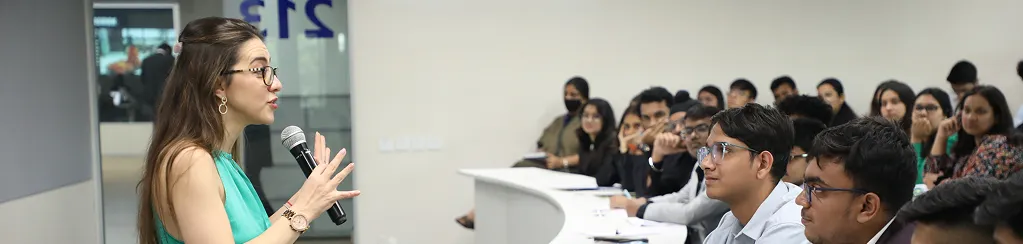
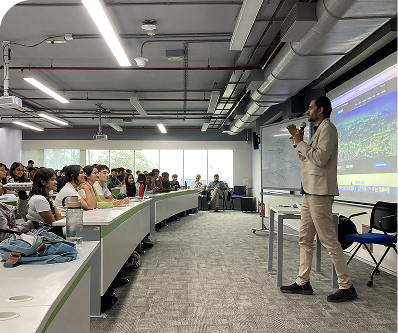
Master classes by industry leaders
Learn directly from global technology experts, CTOs, and industry innovators.
NEP 2020
Integrated
Hundreds of hours of coding practice and training to master writing clean, scalable code.
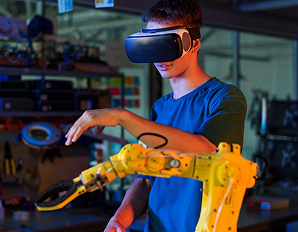
Experiential &
Hands-on learning
Apply classroom concepts to live projects and real-world problem solving.
Curriculum co-created with industry
Study a curriculum designed with leading CTOs to stay aligned with industry needs.
Entrepreneurship hub
Get mentorship and support from Venture Labs to build and launch your own tech startup.
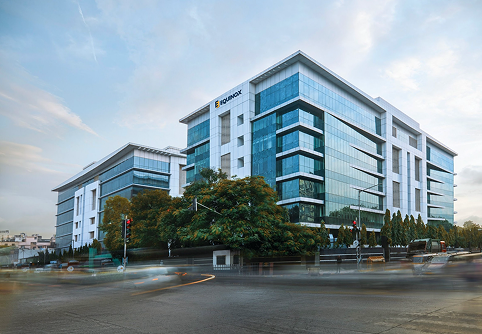
Urban campus experience
Thrive in a modern, high-tech learning environment with state-of-the-art infrastructure.
Career services
Apply classroom concepts to live projects and real-world problem solving.

Why Choose B.Tech in CS, AI & Robotics at ATLAS uGDX

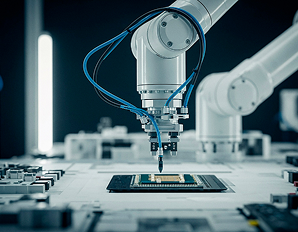
AI Integrated Robotics

Integrates machine learning, deep learning, and computer vision to create robots that can perceive, learn, and make autonomous decisions.
01

Full-Stack Robotic Engineering

Spans the complete process of robotic creation — from mechanical design and sensors to intelligent control and automation systems.
02

Project-Based Learning

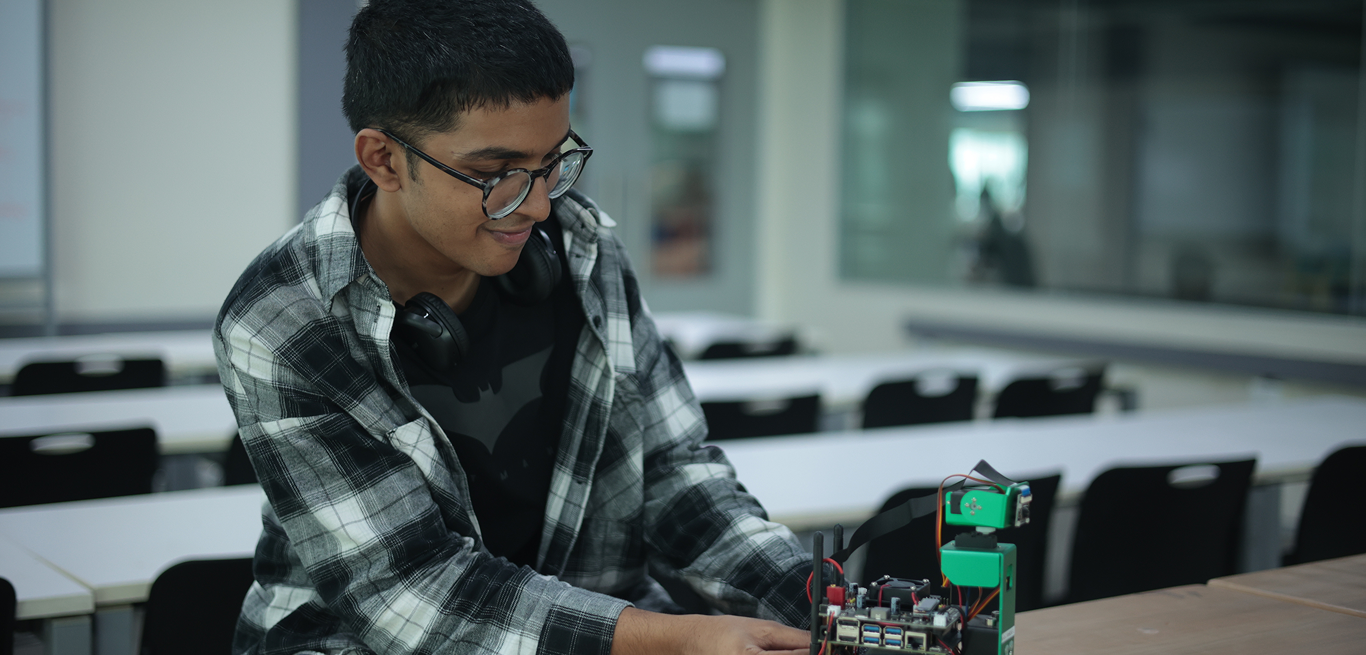
Centred on hands-on Pinnacle projects where students design, prototype, and refine functional robots each year.
03

Learn Next-Gen Technologies

Introduces IoT, blockchain, additive manufacturing, and cybersecurity to build connected, future-ready robotic systems.
04

Innovation With Purpose

Combines research, entrepreneurship, and ethical design to develop robotics solutions that create real-world impact.
05

A Curriculum Designed for the Future

Built on the ‘Goal for Each Term’ (GET) philosophy, our curriculum ensures every semester has a clear, outcome-driven focus; continuously evolving with emerging technology trends and the learning needs of our students.

Semester 1

Foundations of Computational Intelligence
This semester builds a strong technical base through programming, mathematics, and data principles essential for AI and machine learning. Students develop analytical reasoning, computational logic, and database proficiency while exploring interdisciplinary applications.
Introduction to Computer Science and Programming 1
Introduces computational thinking, coding logic, and basic programming concepts.
Calculus 1
Covers foundational calculus concepts essential for modeling and analytical reasoning.
Foundations of Statistics and Probability for AI and ML
Teaches core probability and statistical methods used in AI and machine learning.
Databases and SQL
Focuses on database design, querying, and management using SQL.
Chemistry
Provides insight into fundamental chemical principles and their technological applications.
Fundamentals of CT, AI, ML, Robotics & Data Science
Introduces computational thinking and the basics of AI-driven robotics.
Communication Skills for Digital World
Enhances professional and technical communication tailored for digital, collaborative, and research environments.
ATLAS Electives
Allows interdisciplinary exploration to broaden understanding across technology, design, and innovation domains.
Simulation/Computer Game Design (Pinnacle I)
Introduces simulation logic and interactive design principles through computer-based game development projects.

Semester 2

Advancing Computational Logic and Scientific Foundations
Deepen your understanding of computer science, mathematics, and physical principles through advanced courses in programming, calculus, and mechanics. This semester emphasizes algorithmic problem-solving, data modeling, and logical reasoning—while fostering strong scientific literacy, writing clarity, and holistic awareness through explorations in health sciences and expository communication.
Introduction to Computer Science and Programming 2
Advances coding proficiency with algorithmic design, data structures, and complex problem-solving in programming.
Mathematics for Computer Science
Explores discrete mathematics and logic essential for algorithms, computation, and software design.
Calculus 2
Extends calculus concepts to sequences, series, and multivariable problems used in advanced computing applications.
Engineering Physics (Mechanics)
Explores the physical principles governing motion, forces, and energy in engineering contexts.
Statistical Modelling
Focuses on building and interpreting models to analyze data and make predictions.
Indian Health Sciences
Examines traditional and modern perspectives on health and wellness in India.
Expository Writing
Enhances written communication through structured, clear, and persuasive writing techniques.
ATLAS Electives
Encourages interdisciplinary exploration linking robotics with innovation, design, and sustainability domains.
Data Analyst Project (Pinnacle II)
Applies data analytics tools and techniques to solve structured, real-world data challenges.

Semester 3

Exploring Hardware, Automation, and Machine Learning Foundations
Delve into computer architecture, robotics, and electronics while mastering algorithms, data structures, and machine learning — bridging hardware and intelligent computation.
Computer Organization and Architecture
Explains the internal workings of computers, covering hardware design and system performance.
Fundamentals of Robotics and Automation
Introduces robotic systems, sensors, actuators, and automation principles.
Analog, Digital Electronics and Communication
Covers electronic circuit design, digital logic, and communication fundamentals.
Machine Learning Foundations
Provides core ML concepts including supervised, unsupervised, and reinforcement learning.
Model Thinking
Teaches how mathematical and computational models can explain complex real-world systems.
Data Structures, Files & Algorithm
Focuses on efficient data organization, algorithm design, and file management.
Foundational Literature of Indian Civilization
Explores classical Indian texts and philosophies shaping culture and thought.
ATLAS Electives
Encourages creative and interdisciplinary applications across design, technology, and social innovation.
Robotic System Design (Pinnacle III)
Applies robotics principles in designing integrated systems with sensors, movement, and computation.

Semester 4

Integrating Engineering, Biology, and Advanced AI
Advance into complex system design with a focus on sensors, mechanics, materials, and machine learning. This semester bridges electrical, mechanical, and biological engineering with entrepreneurship and applied computing.
Sensors, Actuators and Electrical Systems
Introduces the principles of sensors, actuators, and control in modern electrical systems.
Fundamentals of Mechanical Engineering
Covers mechanics, thermodynamics, and machine design essentials for engineers.
Biology for Engineers
Explores biological systems and their applications in biotechnology, AI, and bio-inspired design.
Advanced Machine Learning
Provides hands-on experience with complex ML models and real-world data experimentation.
Fundamentals of Material Science & Smart Materials
Examines the structure, properties, and applications of conventional and intelligent materials.
Operating Systems and Networks
Focuses on the architecture, functionality, and coordination of modern operating systems and networks.
Business Plan Writing
Develops entrepreneurial and strategic planning skills through real-world business case studies.
ATLAS Electives
Encourages creative interdisciplinary growth through courses beyond technical boundaries.
Mechatronics & Automation System Design (Pinnacle IV)
Applies mechatronic principles to design integrated, automated systems combining mechanics and AI.

Semester 5

Advancing AI, Robotics, and Entrepreneurial Innovation
Explore cutting-edge AI domains like NLP, deep learning, and computer vision while mastering robotics, control systems, and industrial electronics. Strengthen leadership through entrepreneurship and cultural insight.
Reinforcement Learning and NLP
Explores intelligent systems that learn from interaction and understand human language.
Computer Vision and Deep Learning
Focuses on neural networks and visual data processing for recognition and automation.
Kinematics of Robotics
Studies motion analysis and control of robotic arms and mechanical systems.
Entrepreneurship Development
Encourages innovation and startup creation through business and leadership skills.
Control Systems
Examines feedback mechanisms and control theory for stable and efficient system performance.
Industrial Electronics and Power Convertors
Covers electronic devices and power conversion techniques for industrial automation.
Cultural and Intellectual Heritage of English
Explores English literary and philosophical traditions shaping global culture.
Interactive Autonomous System Design (Pinnacle V)
Applies mechatronic principles to design integrated, automated systems combining mechanics and AI.

Semester 6

Bridging Design, Security, and Intelligent Manufacturing
Dive into motion planning, machine design, and mechatronic systems while exploring cybersecurity, blockchain, and modern manufacturing. Strengthen innovation through interdisciplinary applications in automation and technology communication.
Dynamic and Trajectory Planning
Focuses on motion planning and control for robotic and autonomous systems.
Theory of Machine and Machine Design
Explores kinematics, dynamics, and design of mechanical components and systems.
Cybersecurity and Blockchain
Introduces data protection, encryption, and blockchain technologies for secure autonomous operations.
Mechatronic System Design
Integrates mechanical, electrical, and software components into smart automated systems.
Manufacturing Processes and Additive Manufacturing
Teaches modern production techniques including 3D printing and rapid prototyping.
Language of Science & Technology (English)
Develops scientific writing and technical communication skills.
Introduction to Indian Mathematics and Astronomy
Examines India’s historical contributions to mathematical and astronomical sciences.
Summer Internship
Applies robotic and system design concepts in real-world environments, fostering professional growth and innovation.
Design of Distributed Robotic Exploration System (Pinnacle VI)
Applies robotic and system design concepts in real-world environments, fostering professional growth and innovation.

Semester 7

Research & Connected Intelligence
Explore the Internet of Robotic Things, knowledge graphs, and advanced electives in AI and automation. Strengthen research and analytical abilities while gaining insight into constitutional values and ethical innovation.
Internet of Robotics Things (IRoT)
Combines IoT and robotics to create connected, intelligent robotic ecosystems.
Core Elective 1
Specialized elective allowing deeper exploration of a chosen robotics or AI domain.
Core Elective 2
Continues focused study in an advanced area of technology or engineering.
Core Elective 3
Offers flexibility to pursue niche topics in robotics, automation, or AI innovation.
Knowledge Graph
Teaches the structure, representation, and linking of data for intelligent information systems.
Constitution of India (Audit Course)
Provides understanding of Indian constitutional values, rights, and civic responsibilities.
Research Methodology
Develops skills for conducting systematic research and academic writing.
Hydraulic and Pneumatic Controls for Robotics
Studies mechanical power systems and actuators for precise robotic movement and automated industrial applications.

Semester 8

Innovation and Industry Application
Focuses on building industry-ready products through research, simulation, and advanced robotics — bridging academic learning with real-world innovation.
Internship and Project and Dissertation (Product Based)
Involves developing an industry-ready product through applied research and hands-on project work.
Robotics Operating Systems and Simulations (MOOC)
Focuses on ROS frameworks and simulation tools for designing and testing robotic systems.
Advances in Robotics and Artificial Intelligence (MOOC)
Explores emerging trends and cutting-edge innovations in robotics and AI technologies.

Program Outcomes

Strong Computational Foundations
Build strong skills in programming, algorithms, and problem-solving for real-world applications.
Intelligent Systems Design
Apply AI, machine learning, and deep learning to create adaptive, data-driven solutions.
Robotics & Mechatronic Integration
Design and control smart robots by integrating mechanics, and AI.
Hands-on Innovation
Turn ideas into working prototypes through simulations and Pinnacle projects each year.
Emerging Technologies
Gain exposure to IoT, blockchain, and additive manufacturing for next-gen automation.
Career and Research Readiness
Graduate prepared for advanced careers or further studies.

Ready to Build What’s Next?Let’s Get Started.

Get a glimpse - where future engineers and innovators areshaped through technology, industry, and inspiration.

Career Pathways

Explore diverse career pathways across AI, Data Science, and Emerging Technologies

Robotics Engineers
AI Architect
Automation Engineer
Systems Architect
Systems Designer
AI Engineer
AI Consultant

Student Voices: Real Voices from the Program

Unlike traditional B.tech programs, uGDX prioritizes hand-on experiences and industry opportunities.
Ayush Gharat
Student, uGDX
At uGDX, I have started viewing the world in a different way.
Leisha Totani
Student, uGDX
We get endless opportunities here at ATLAS uGDX.
Mohit Bhimrajka
Student, uGDX
What I love about uGDX B.Tech program is that every semester has specific goals and outcomes.
Adarsh Mukherhjee
Student, uGDX

Your guide to joining B.Tech in CS, AI & Robotics at ATLAS uGDX

Eligibility
Indian Boards (ISC / CBSE / State Boards)
Minimum 50% in Class XII
Mathematics and Physics are mandatory

A-Levels (UK)
Minimum grades A/B/C in 2 subjects
Grade B or above in Mathematics.
Mathematics and Physics are mandatory

International Baccalaureate (IB)
Minimum of 24 points in 3 HL & 3 SL subjects
Mathematics and Physics are mandatory

Questions? We can read your mind

How is ATLAS ISME?
Do ATLAS ISME offer bachelors or UG programs and what are the specialisations available?
Are ATLAS ISME undergraduate programs UGC‑certified?
What is the Multidisciplinary Approach at ATLAS ISME?
Do ATLAS ISME really provide industry immersions?
What are the top career opportunities after a BBA from ATLAS ISME?
What are the top career opportunities after a BSC in Finance from ATLAS ISME?
How are ATLAS ISME’s future-focused programs, like BBA in Digital Branding or AI & Emerging Tech, different from a traditional BBA degree?
What kinds of real-world simulations and decision-making scenarios are included in the ATLAS ISME academic curriculum?
Can ATLAS ISME undergraduate students launch real startups while earning credits, and how do these ventures receive support?
Do ATLAS ISME students get global exposure during their undergraduate studies?
Does ATLAS ISME have campus placements for its students? What are some real career outcomes of ATLAS ISME students?
Do ATLAS ISME offer experiential learning? What is the teaching methodology at ATLAS ISME?
View More
More questions?
Let our AI Assistant answer your queries