Building Future-Ready Educators: Inside ATLAS SkillTech University’s Faculty Development Program 2026

Empowering Educators to Shape Tomorrow’s Leaders
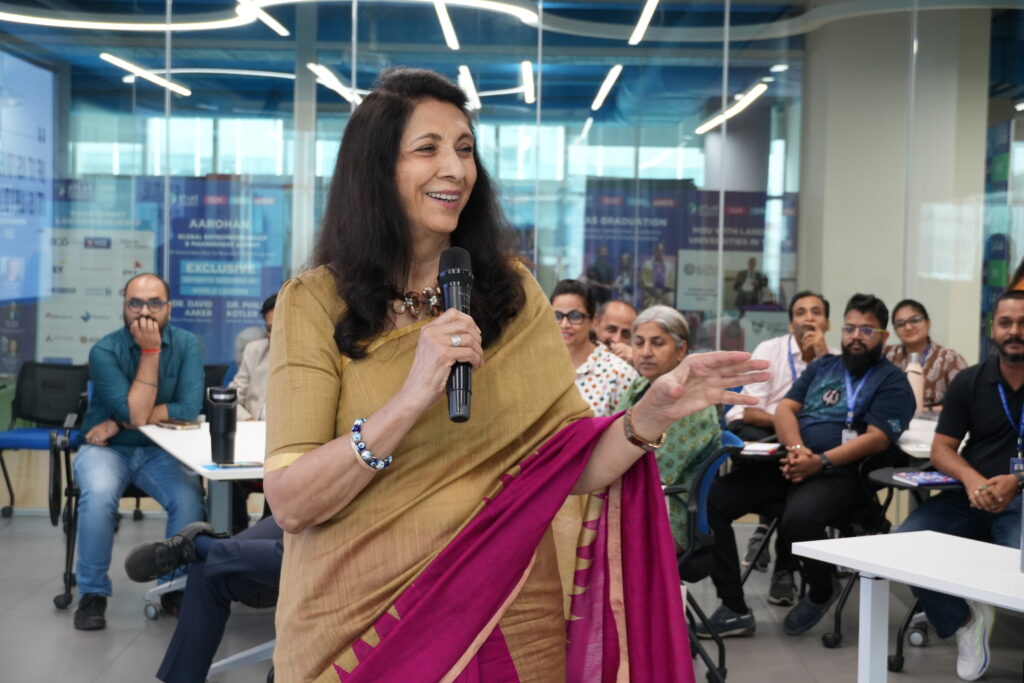
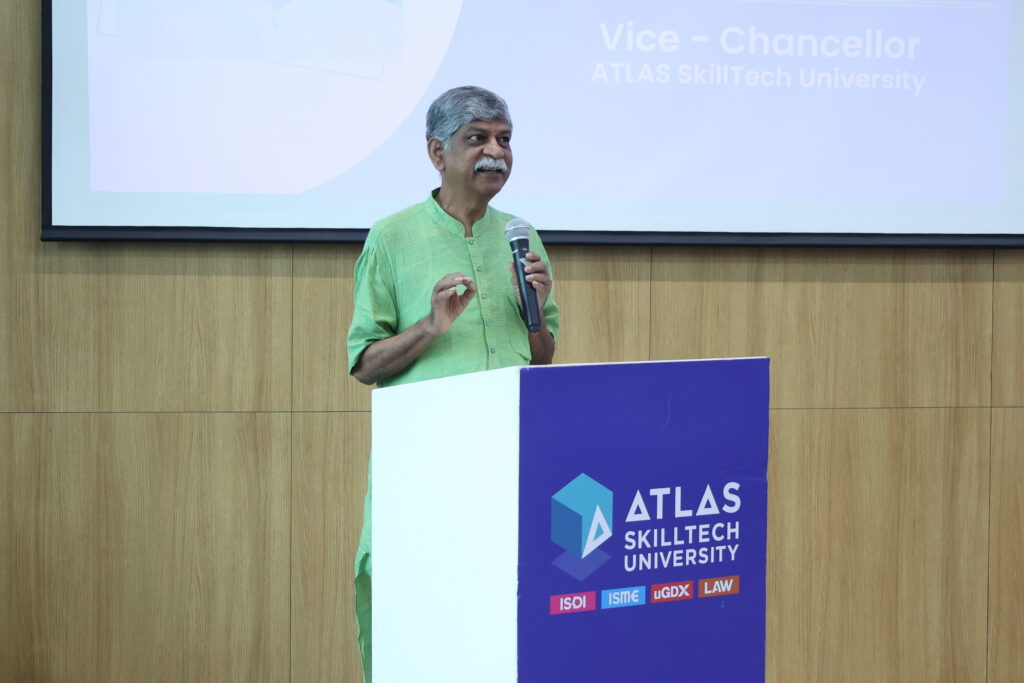
In an era where artificial intelligence, digital transformation, sustainability and innovation are reshaping every industry, the role of educators has never been more critical. The future of higher education depends not only on preparing students for emerging careers but also on equipping faculty with the knowledge, perspectives and industry insights needed to guide them.
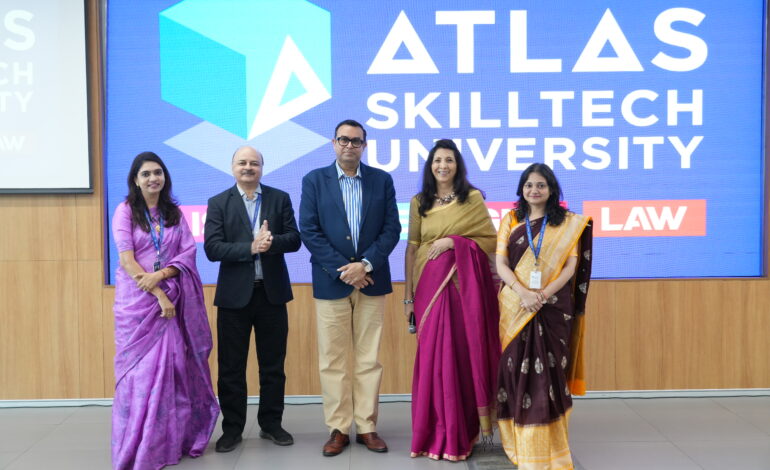
With this vision, ATLAS SkillTech University, Association of Indian Universities (AIU) and ATLAS Academic and Administrative Development Centre (AADC) jointly organised a five-day Faculty Development Program (FDP) 2026 on “SMART Leadership in Academia: Leveraging Technology for Institutional Excellence.”
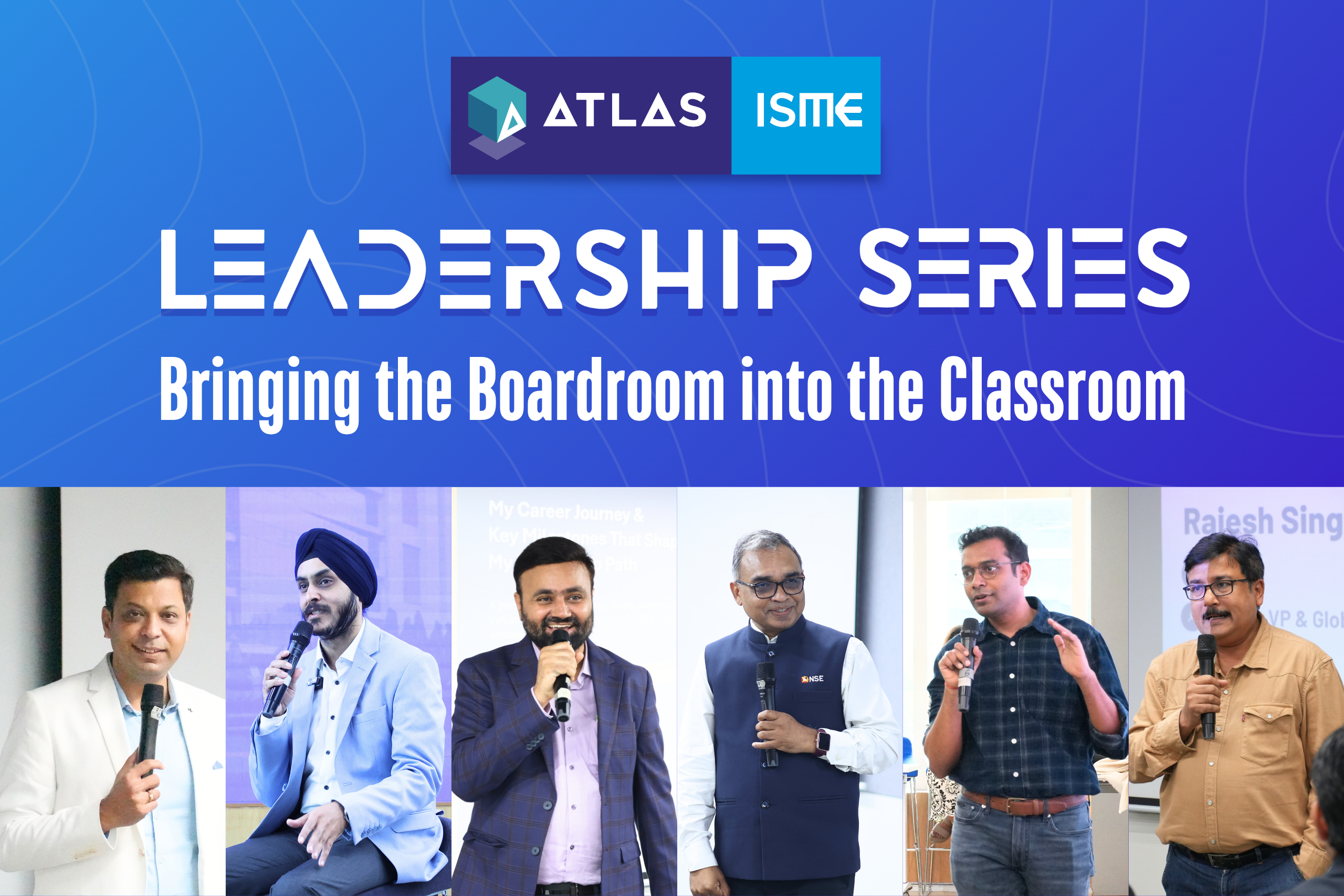
Bringing together over 150 faculty members from across the University’s schools, the program served as a dynamic platform where distinguished industry leaders shared first-hand insights on leadership, artificial intelligence, sustainability, innovation, digital transformation, design thinking and the evolving expectations of the global workplace.
More than a series of lectures, the FDP became an immersive learning experience encouraging educators to rethink classrooms, curricula and the future of learning itself.
Learning from Industry Leaders at the Forefront of Change
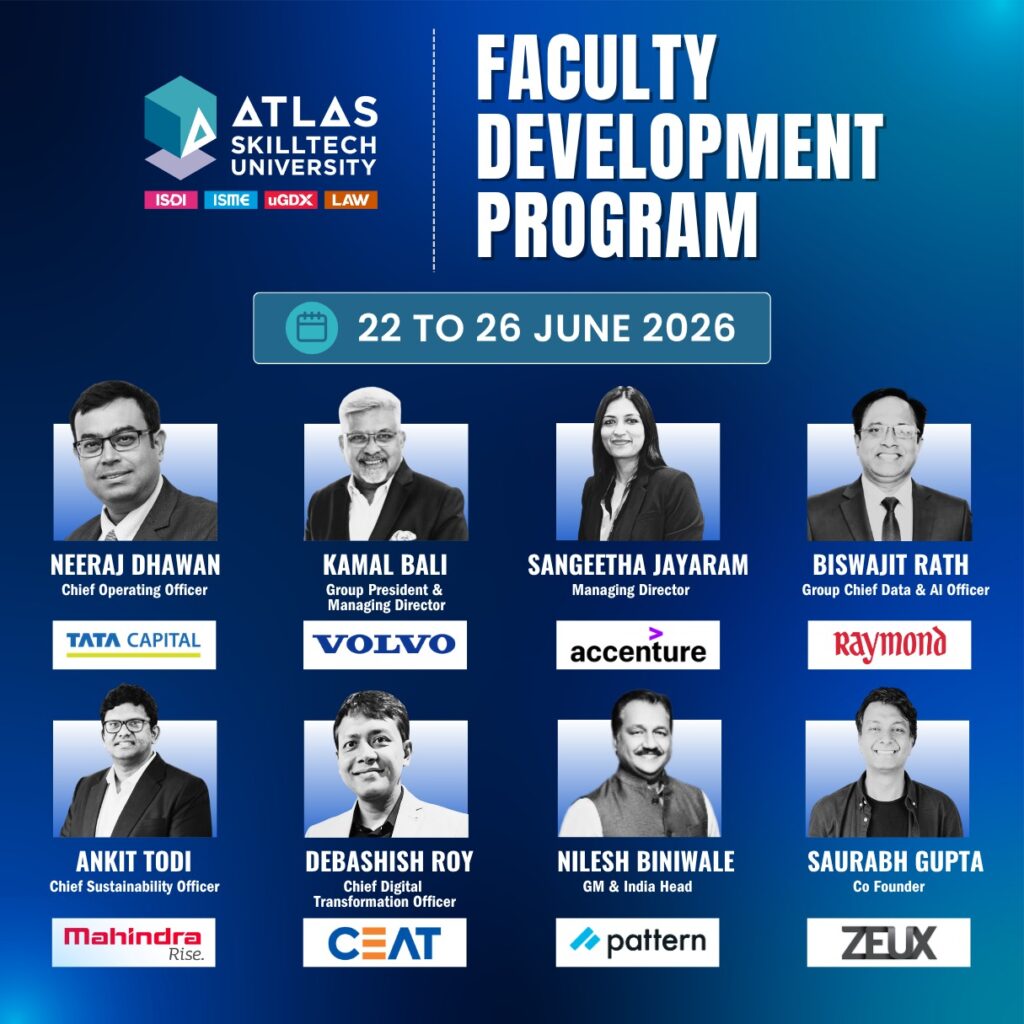
One of the defining strengths of the program was its remarkable lineup of industry experts who brought decades of leadership experience across diverse sectors.
The distinguished speakers included:
- Neeraj Dhawan, Chief Operating Officer, Tata Capital
- Kamal Bali, Group President & Managing Director, Volvo Group India
- Sangeetha Jayaram, Managing Director, Accenture
- Biswajit Rath, Group Chief Data & AI Officer, Raymond
- Ankit Todi, Chief Sustainability Officer, Mahindra Group
- Debashish Roy, Chief Digital Transformation Officer, CEAT
- Nilesh Biniwale, GM & India Head, Pattern
- Saurabh Gupta, Co-Founder, ZEUX
Each session combined practical business insights with thought-provoking discussions, offering faculty a rare opportunity to understand how industries are evolving and what future-ready graduates will need to thrive.
Rethinking Academia Through Data, AI and Intelligent Decision-Making
Insights from Biswajit Rath, Group Chief Data & AI Officer, Raymond
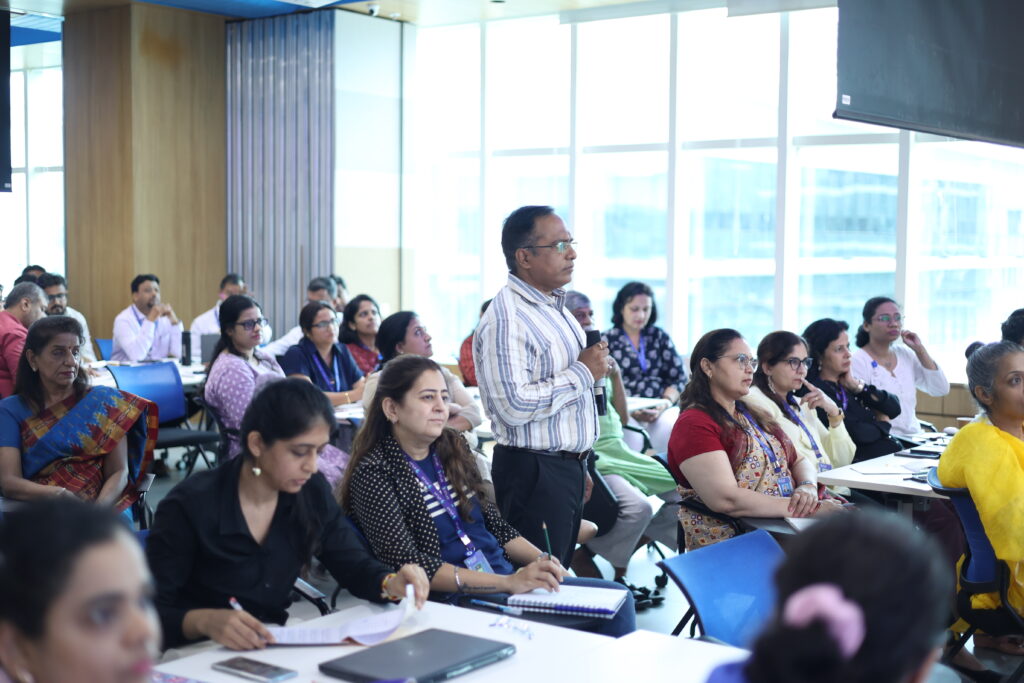
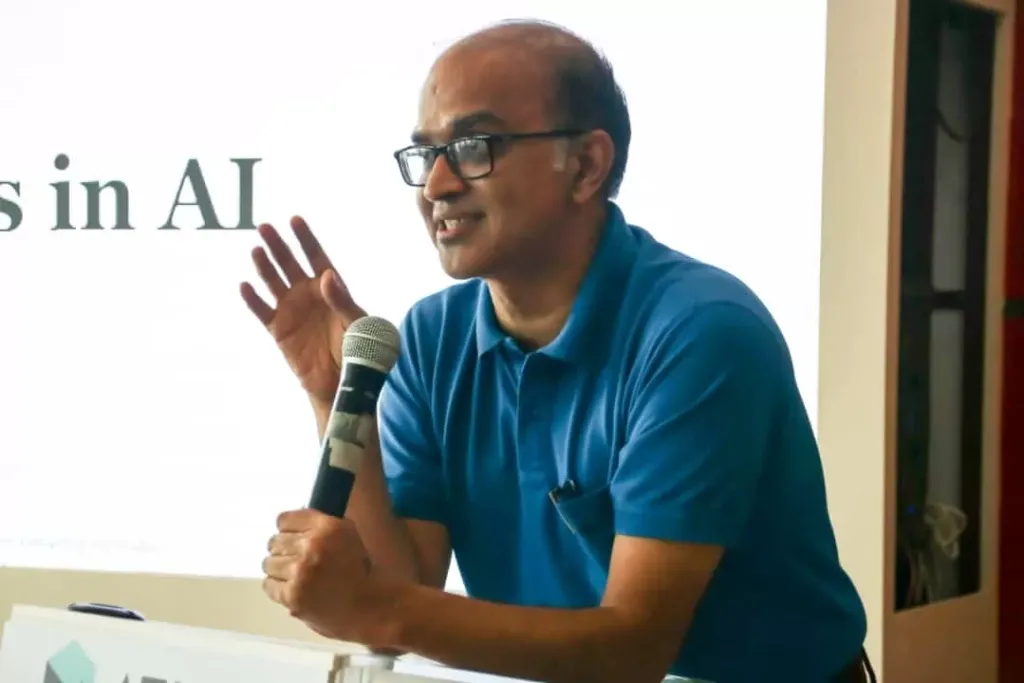
The program began by exploring one of the most significant transformations impacting education today- Artificial Intelligence and Data Analytics.
Leading the opening session, Biswajit Rath demonstrated how data literacy is no longer a specialised skill but an essential capability for every educator. Faculty members explored how Business Intelligence, Predictive Analytics, Machine Learning Operations (MLOps), Generative AI and Agentic AI are influencing organisational decision-making.
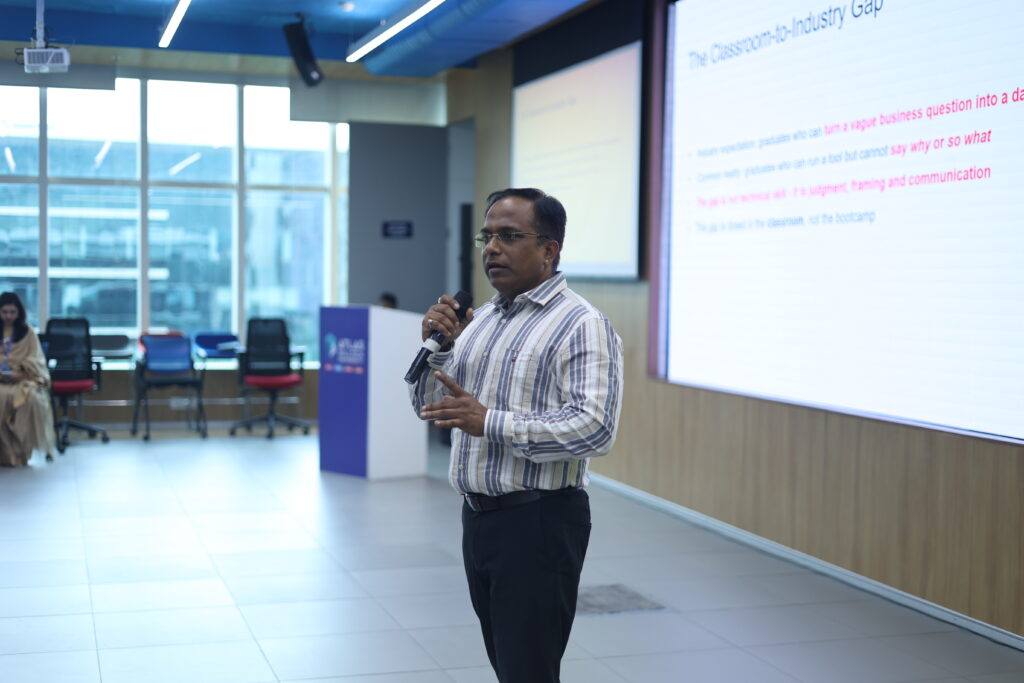
“Generative AI can generate answers, but it always needs a human truth check.” — Biswajit Rath
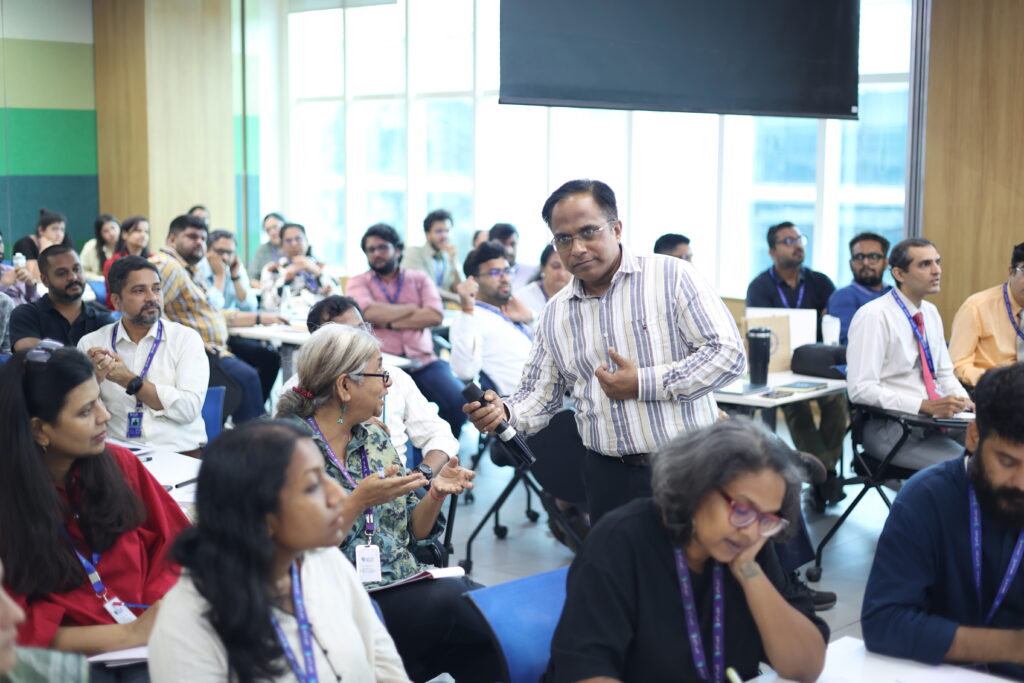
Through interactive case studies spanning healthcare, manufacturing and retail, participants applied AI frameworks to real-world challenges, reinforcing that evidence-based decision-making is built on understanding, questioning and communicating with data, not merely analysing it.
Designing for the Future: Innovation as a Mindset
Insights from Saurabh Gupta, Co-Founder, ZEUX
Innovation emerged as another defining theme of the program.
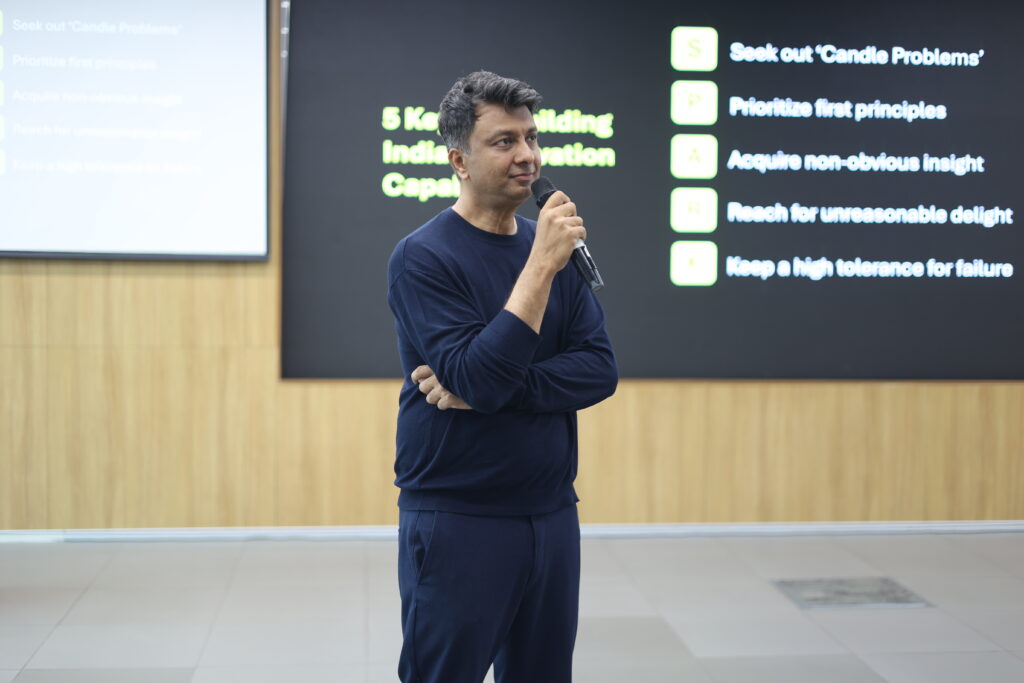
In a highly engaging session, Saurabh Gupta challenged participants to move beyond conventional thinking through the principles of Design Thinking and User Experience.
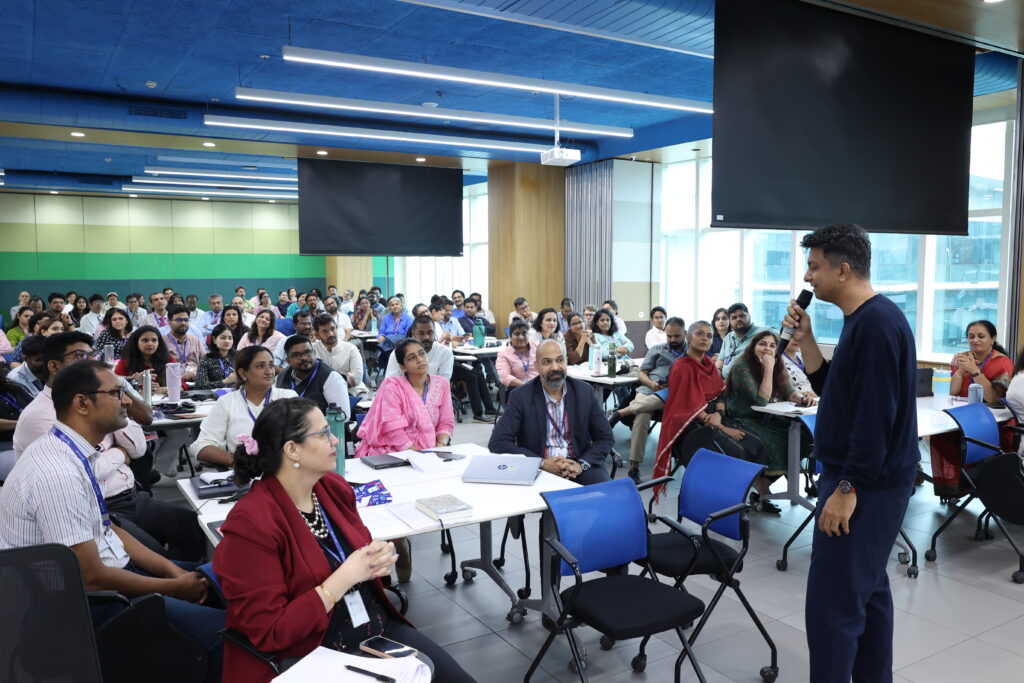
Rather than viewing innovation as purely technological, he encouraged faculty to recognise it as fundamentally a people challenge. Through the SPARK Framework, Consumer–Tension–Direction (CTD) Framework and thought-provoking examples, participants discovered how empathy, creativity and trust can drive meaningful innovation.
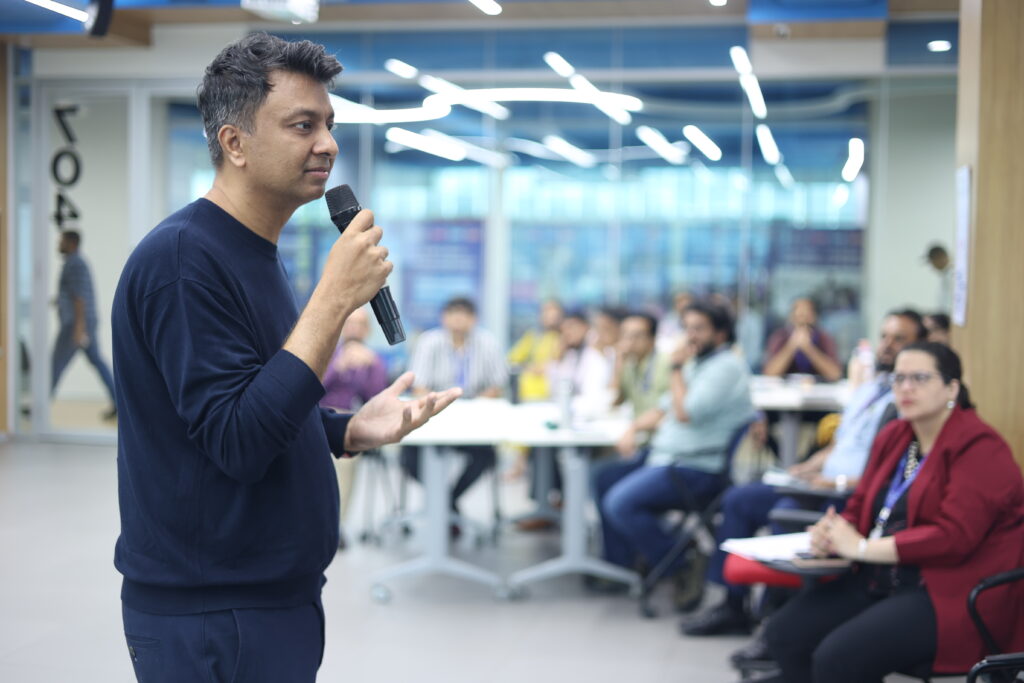
“Design is activism.” — Saurabh Gupta
Another memorable takeaway, “Think like a child. Execute like an adult,” reminded educators that curiosity and creativity remain the foundation of innovation.
Leading with Purpose in a Changing World
Insights from Kamal Bali, Group President & Managing Director, Volvo Group India
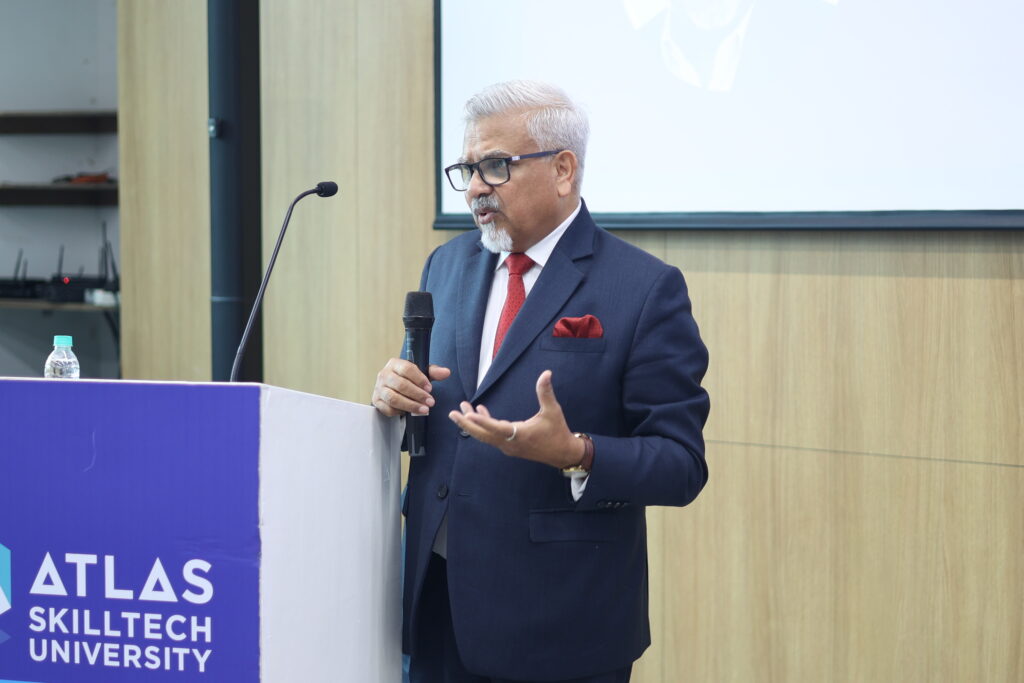
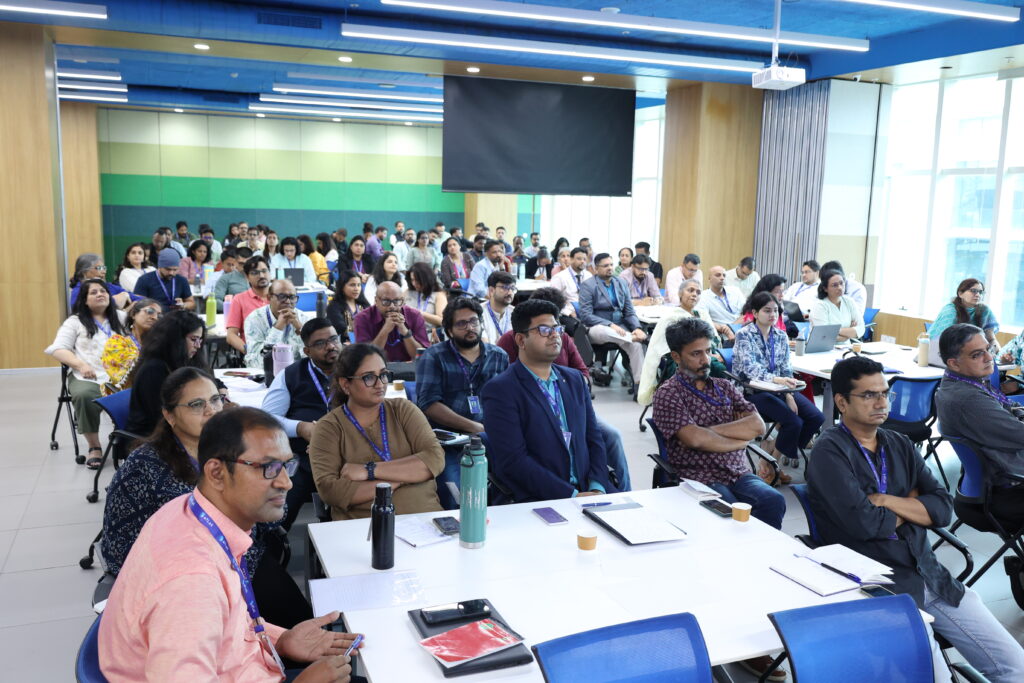
Leadership formed another cornerstone of the program.
Drawing from decades of corporate experience, Kamal Bali reflected on India’s changing role in the global economy and the qualities that define successful leaders in an increasingly interconnected world.
Participants explored concepts such as Purpose, Ambition and Passion Alignment (PAPA), the RED Leadership Framework (Rigor, Ethics and Discipline), and the growing importance of collaboration.
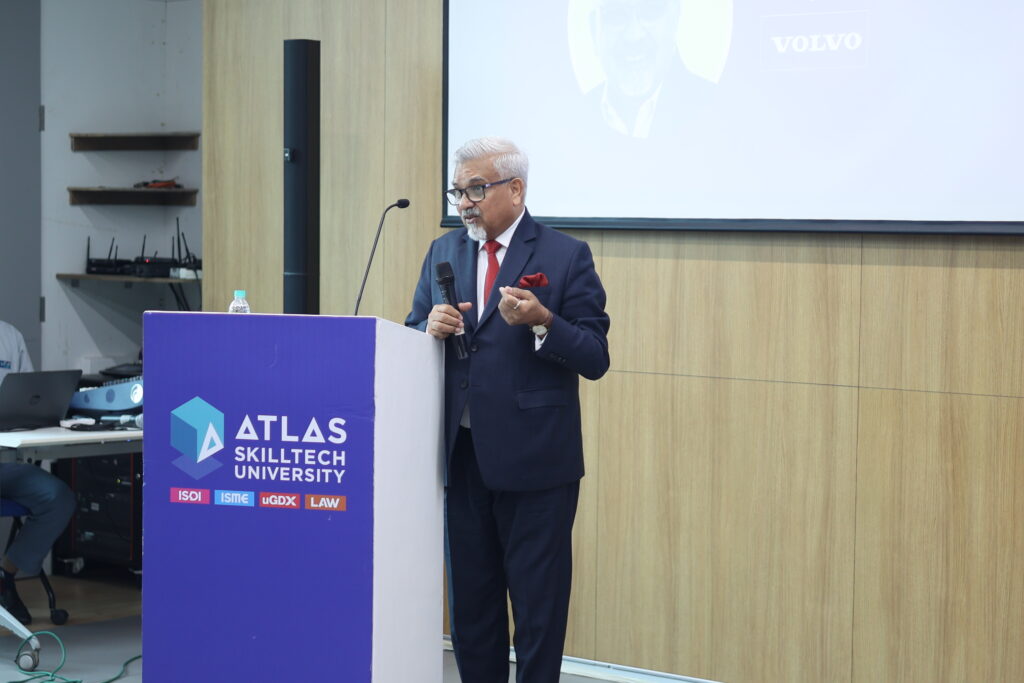
“Partnership is the new leadership.” — Kamal Bali
His session reinforced that the leaders of tomorrow will succeed not by working in isolation, but by building trust, fostering collaboration and inspiring shared purpose.
Sustainability as Strategy, Not Compliance
Insights from Ankit Todi, Chief Sustainability Officer, Mahindra Group
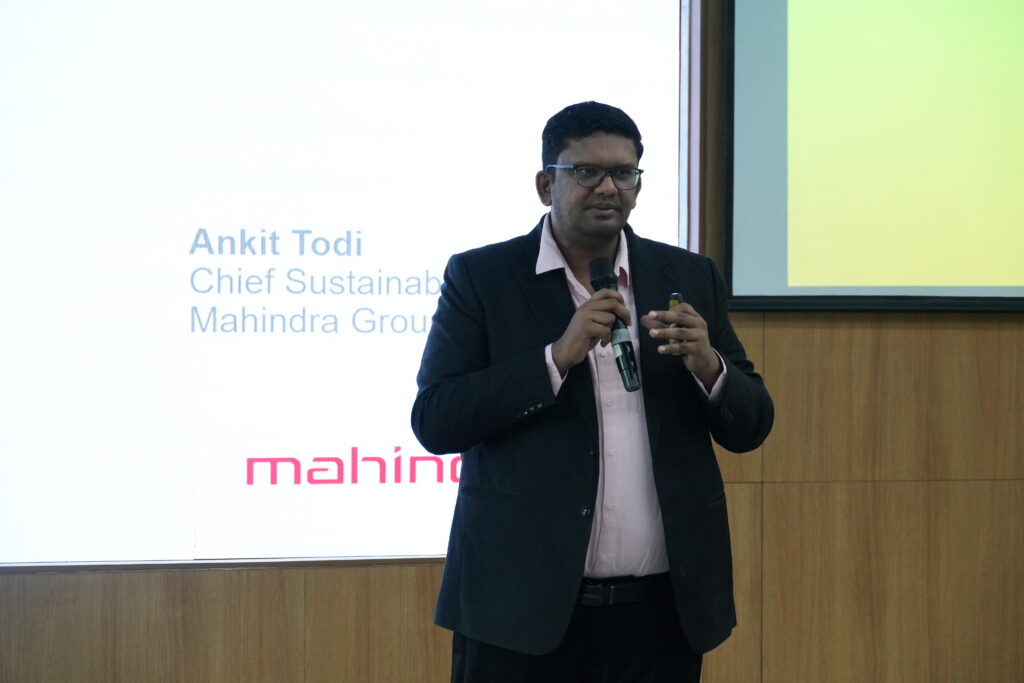
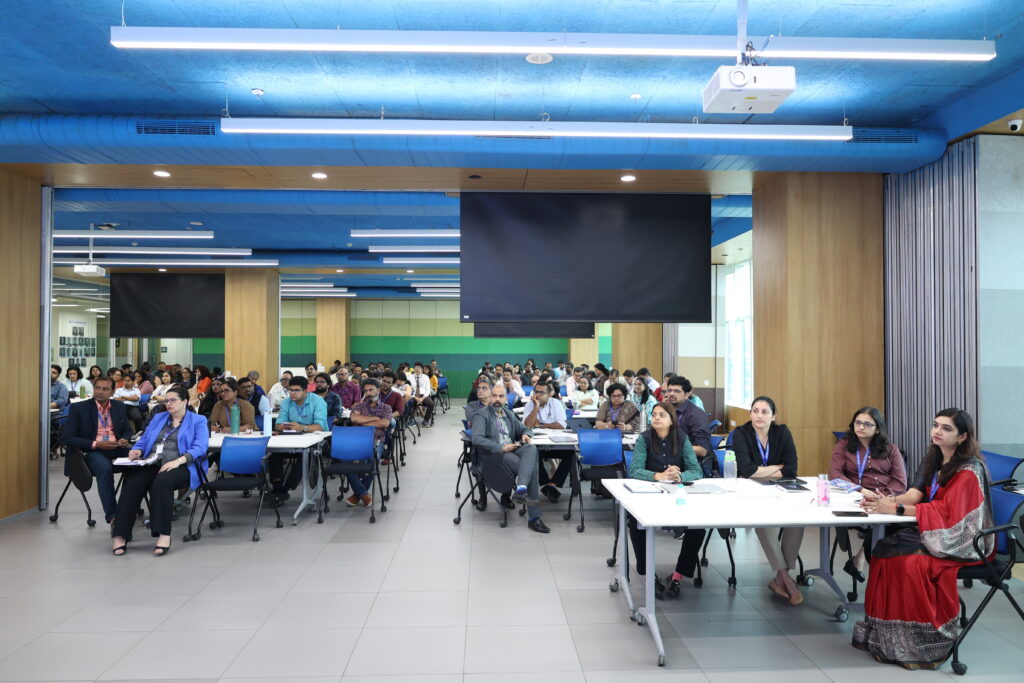
As businesses increasingly integrate sustainability into every aspect of strategy, academia too must prepare students for this shift.
Ankit Todi shared how sustainability has evolved from a compliance requirement into a strategic business imperative.
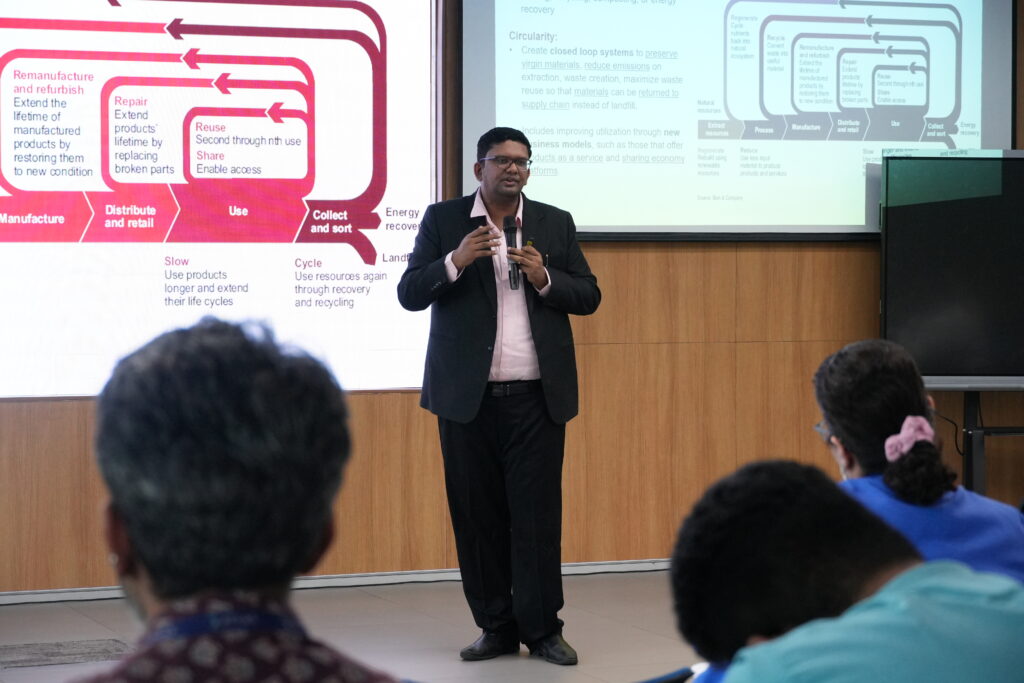
Faculty members explored Scope 1, 2 and 3 emissions, circular economy principles, ESG reporting and the integration of Sustainable Development Goals into curriculum and research.
“What gets measured gets managed.” — Ankit Todi
The session reinforced that sustainability is no longer a specialised discipline—it is becoming a mindset that every future professional must embrace.
India’s Rise as a Global Innovation Hub
Insights from Nilesh Biniwale, GM & India Head, Pattern
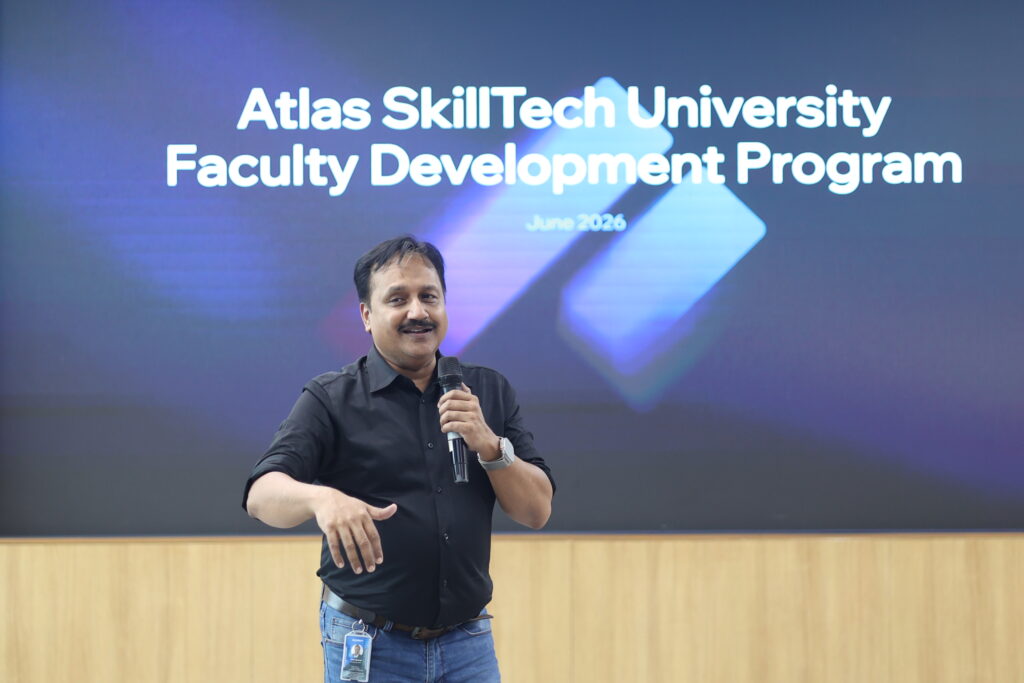
As artificial intelligence reshapes industries, Nilesh Biniwale explored the remarkable evolution of India’s Global Capability Centres (GCCs) into engines of innovation and enterprise value creation.
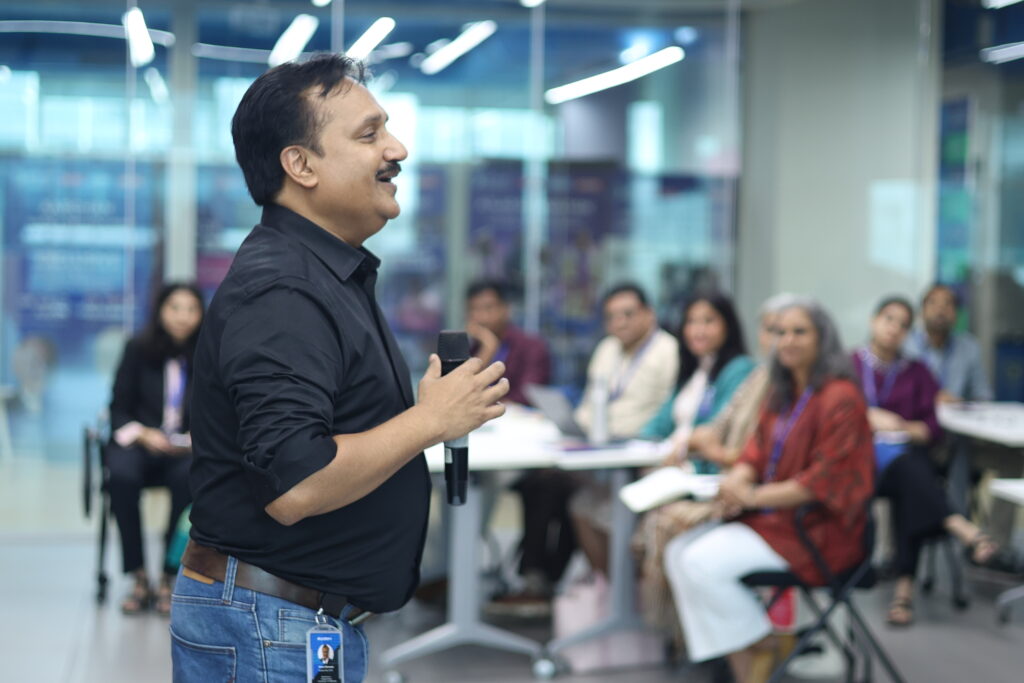
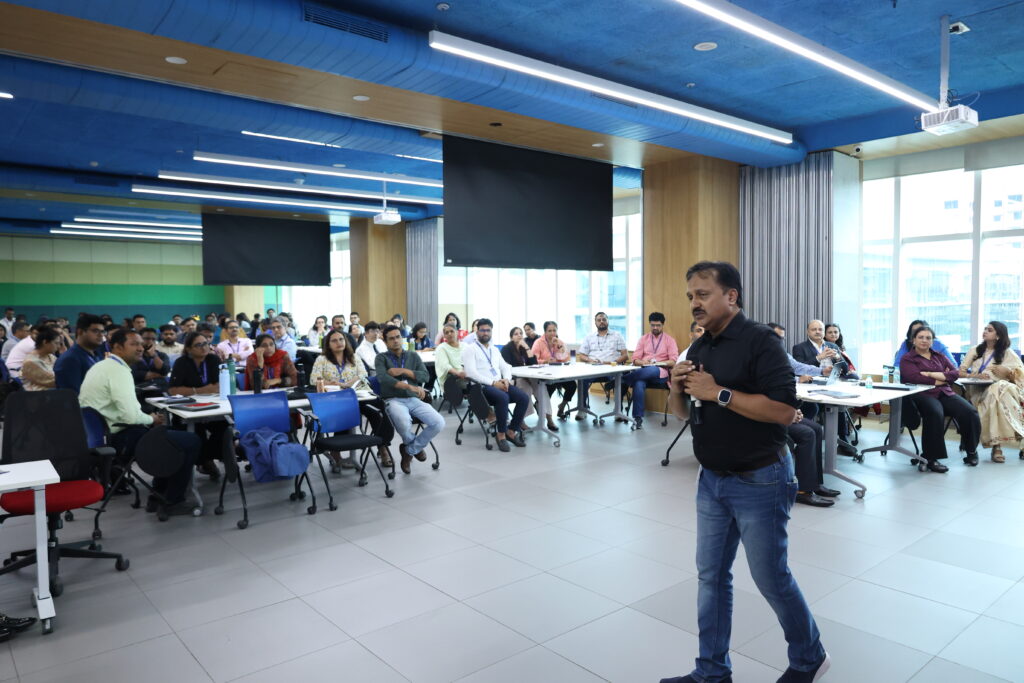
Introducing the Talent Pyramid framework, he encouraged educators to think about nurturing young talent while also developing future innovators and strategic leaders.
“Drive innovation, not just delivery.” — Nilesh Biniwale
His session highlighted that universities have an important role in preparing graduates who can contribute not only as skilled professionals but also as innovators capable of creating long-term institutional value.
Preparing for the Next Wave of AI
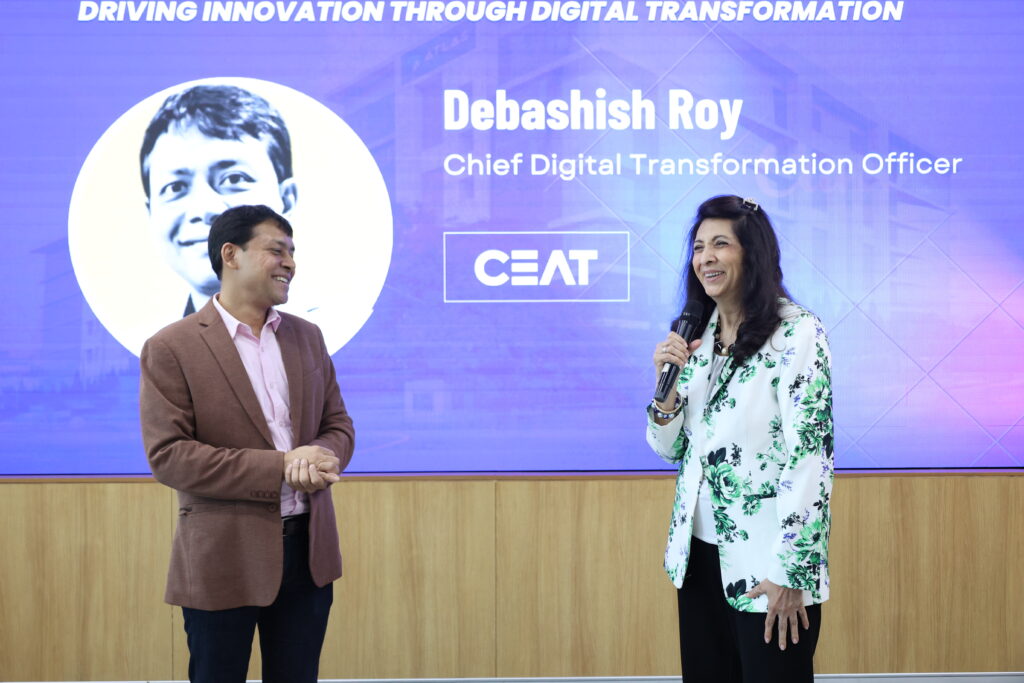
Insights from Debashish Roy, Chief Digital Transformation Officer, CEAT
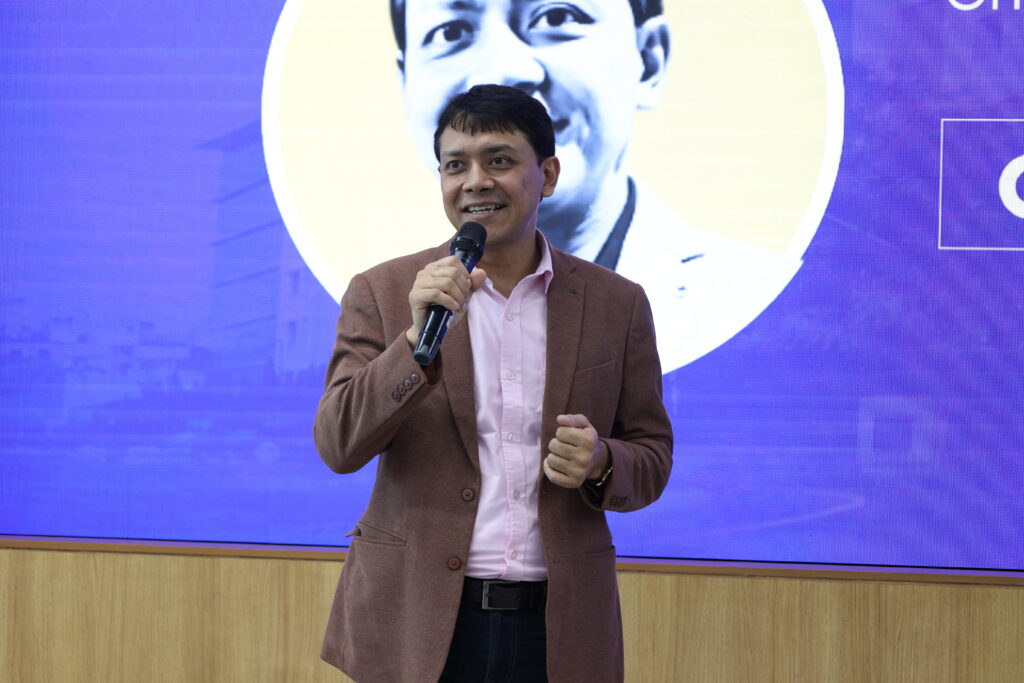
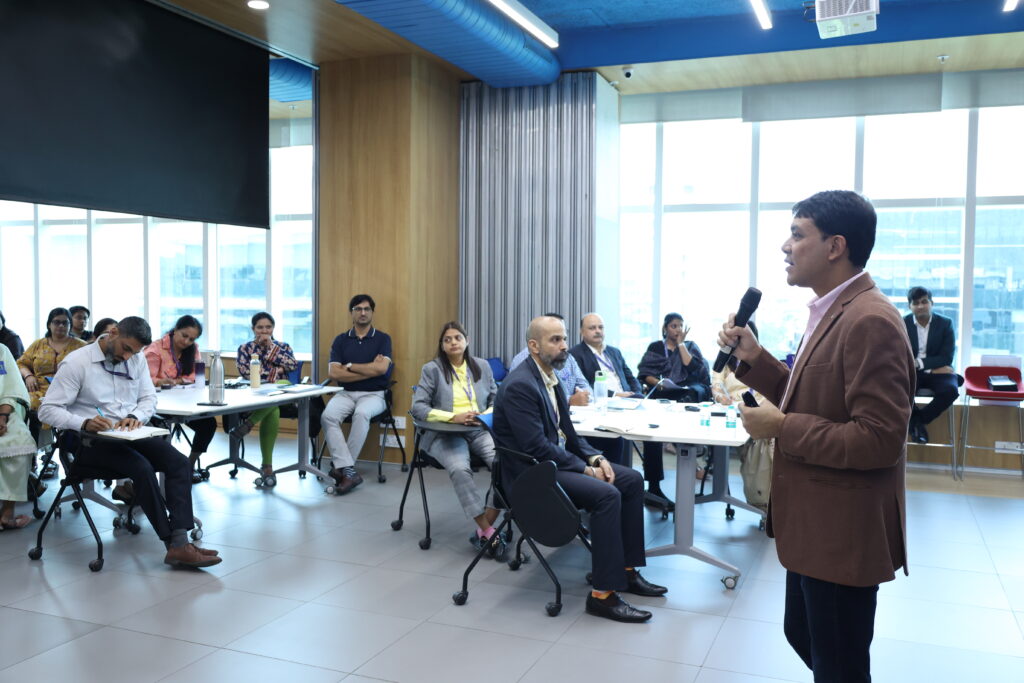
Building on the AI conversation, Debashish Roy explored the future of work through the lens of Agentic AI, Physical AI and enterprise-wide digital transformation.
Participants gained insights into how autonomous AI systems, robotics and intelligent digital ecosystems are transforming organisations and redefining business models.
“AI will not merely improve existing processes, it will fundamentally redesign how work gets done.” — Debashish Roy
The session encouraged faculty to prepare students for a future where human intelligence and AI will work together to solve increasingly complex challenges.
Bridging the Gap Between Knowledge and Impact
Insights from Neeraj Dhawan, Chief Operating Officer, Tata Capital
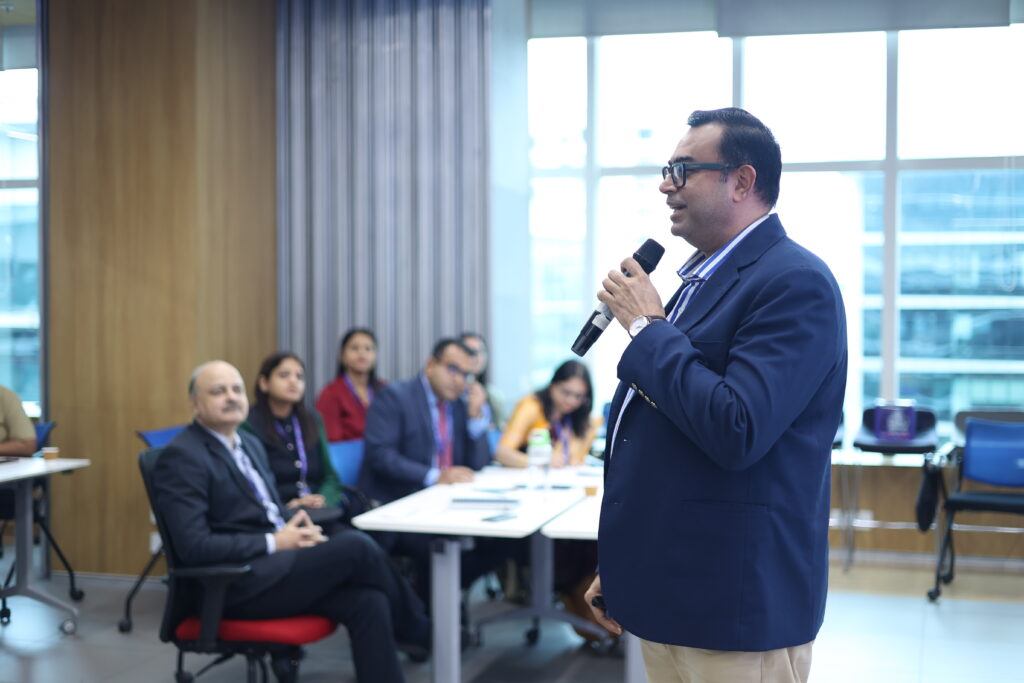
The concluding session by Neeraj Dhawan brought together the program’s central themes with a powerful reflection on industry readiness.
Through his Knowledge-to-Impact framework, he challenged educators to rethink what truly prepares students for success in an AI-enabled world.
“Want to ace the AI era? Lead with what makes you human.” — Neeraj Dhawan
He emphasised that while technical knowledge remains essential, lasting success will increasingly depend on problem-solving, communication, adaptability, emotional intelligence and the ability to convert knowledge into meaningful business impact.
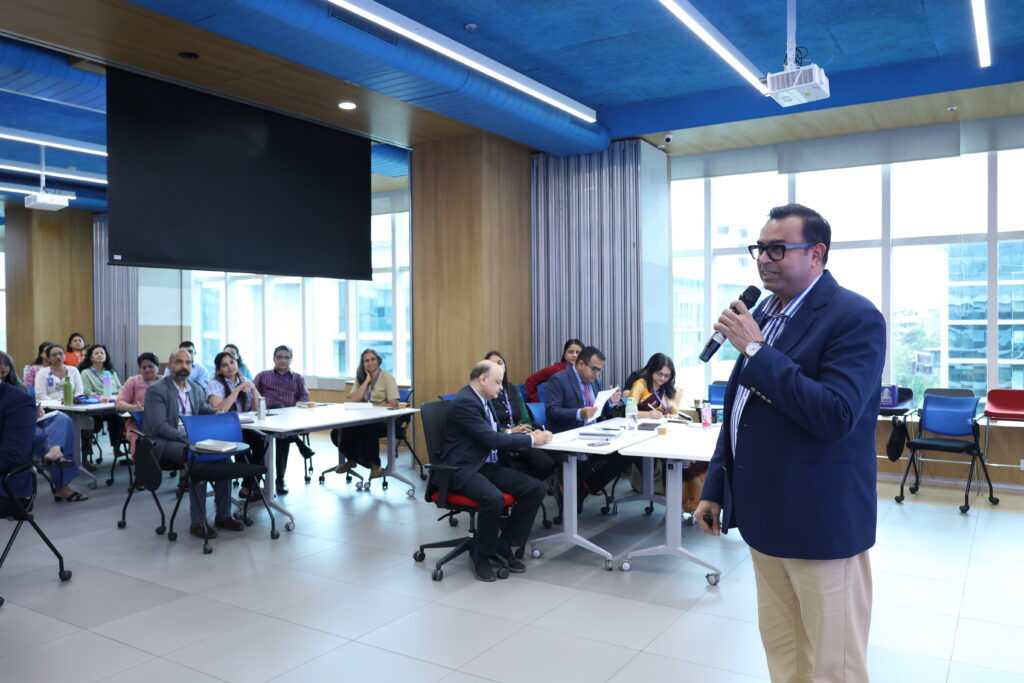
The session concluded with another powerful thought that encapsulated the spirit of the entire program:
“Education should not be an answer to the past. It should be a preparation for the future.” — Neeraj Dhawan
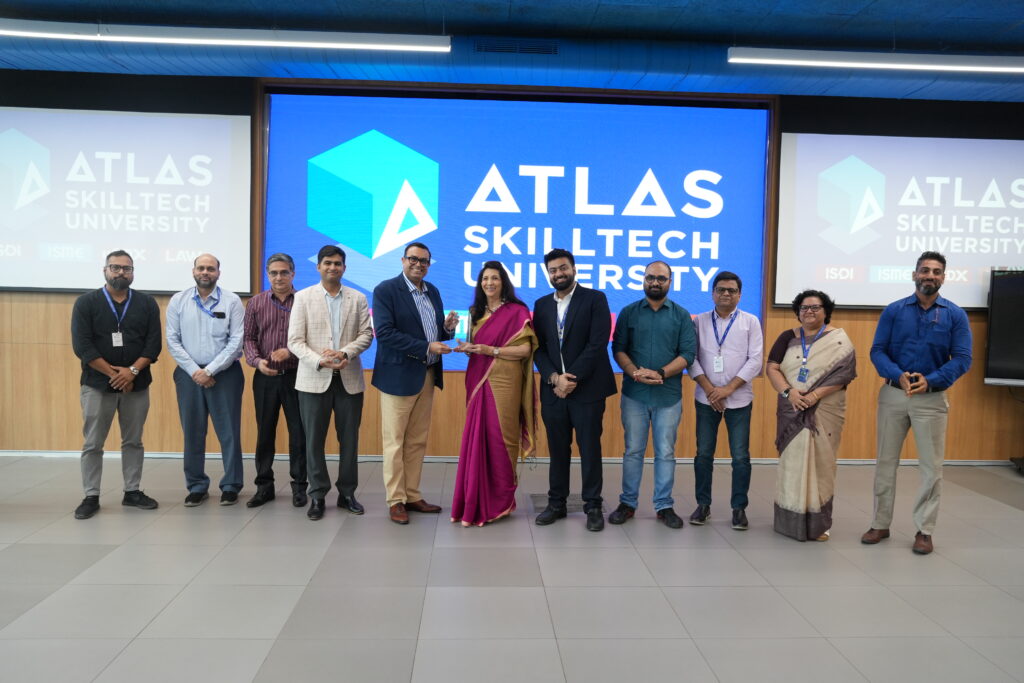
Reimagining Higher Education for an AI-Enabled Future
Insights from Sangeetha Jayaram, Managing Director, Accenture
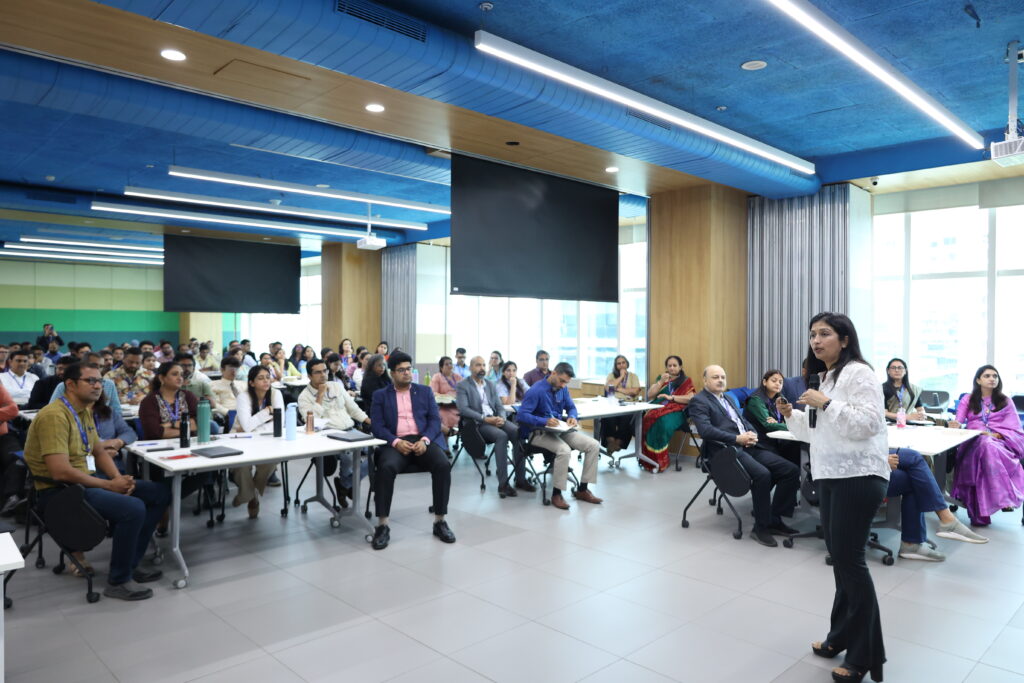
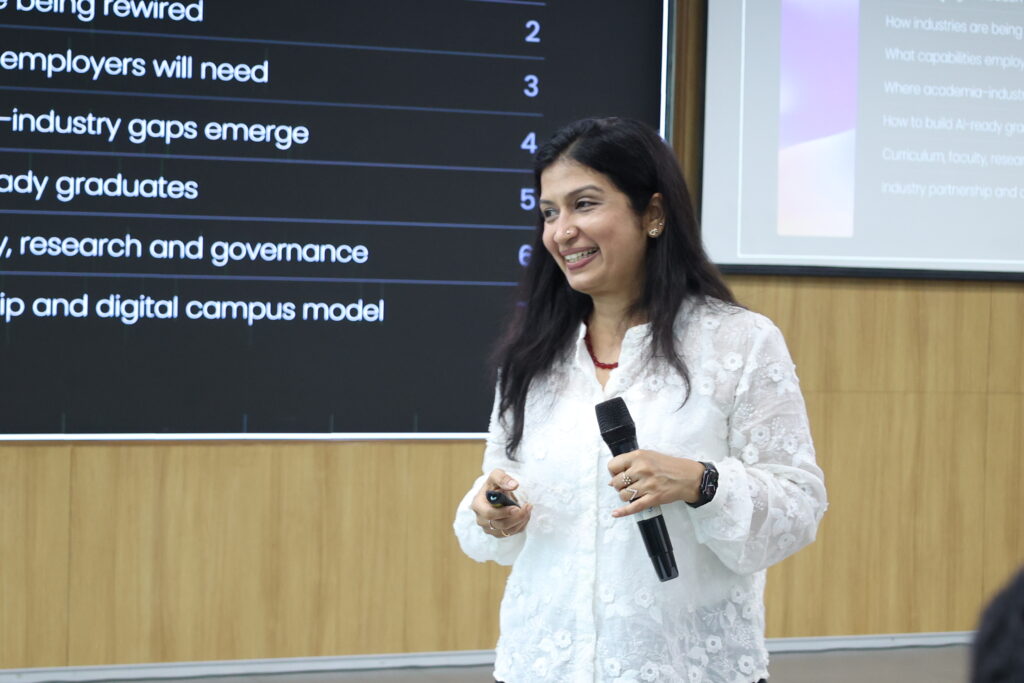
As artificial intelligence reshapes industries and careers, Sangeetha Jayaram encouraged educators to rethink how universities prepare students for the future. Drawing on Accenture’s global perspective, she highlighted the need for institutions to move beyond traditional teaching models and create learning ecosystems that foster continuous growth, adaptability and lifelong relevance.
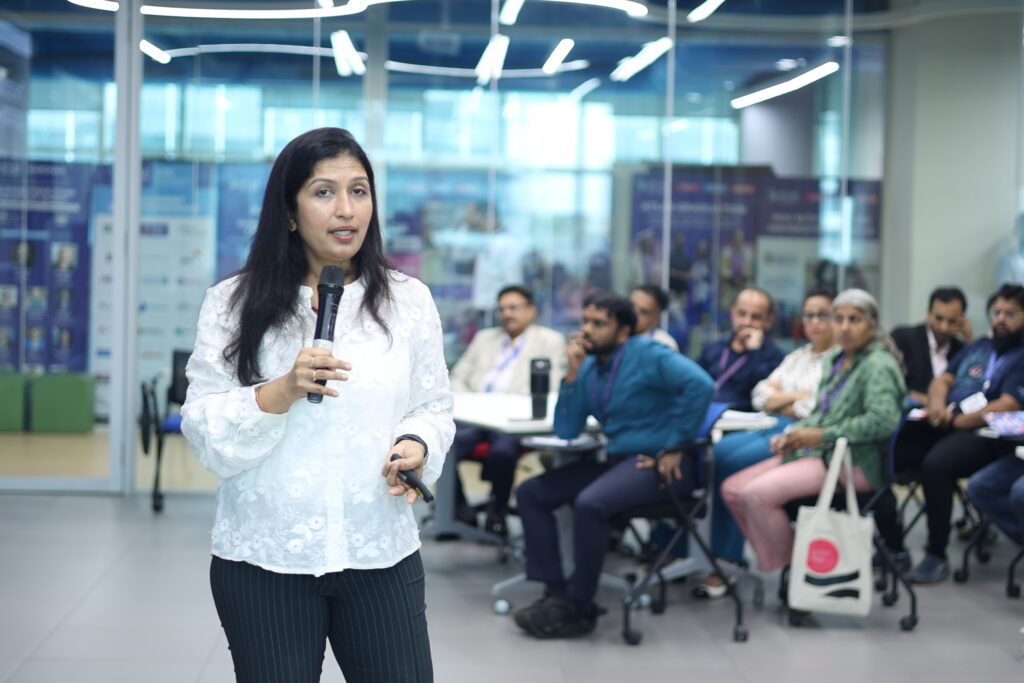
She emphasised that AI literacy should become a foundational part of every learner’s journey, seamlessly integrated into curricula through discipline-specific applications, industry projects and experiential learning. Equally important, she stressed the need for stronger academia-industry collaboration to ensure graduates develop not only technical expertise but also the human capabilities employers value most.
“The goal is not just employability, but lifelong relevance.” — Sangeetha Jayaram
Her vision of the University of the Future is one driven by curriculum innovation, industry partnerships and continuous upskilling, preparing graduates not just for today’s opportunities, but for a world where the ability to learn, adapt and reinvent oneself will be the greatest competitive advantage.
Beyond the Classroom: Strengthening Industry-Academia Connections
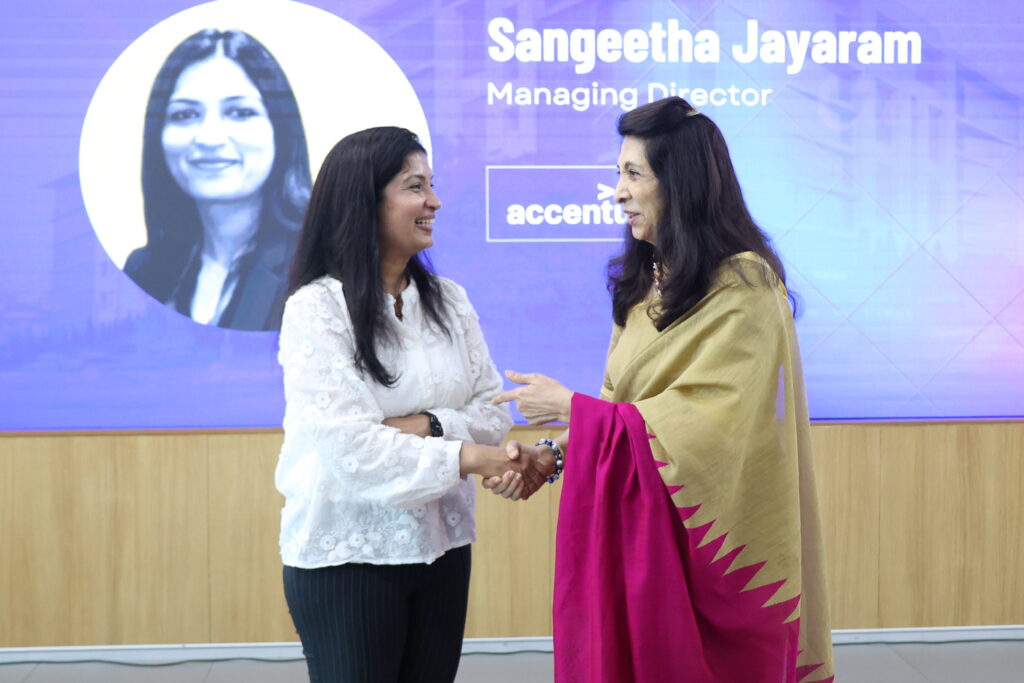
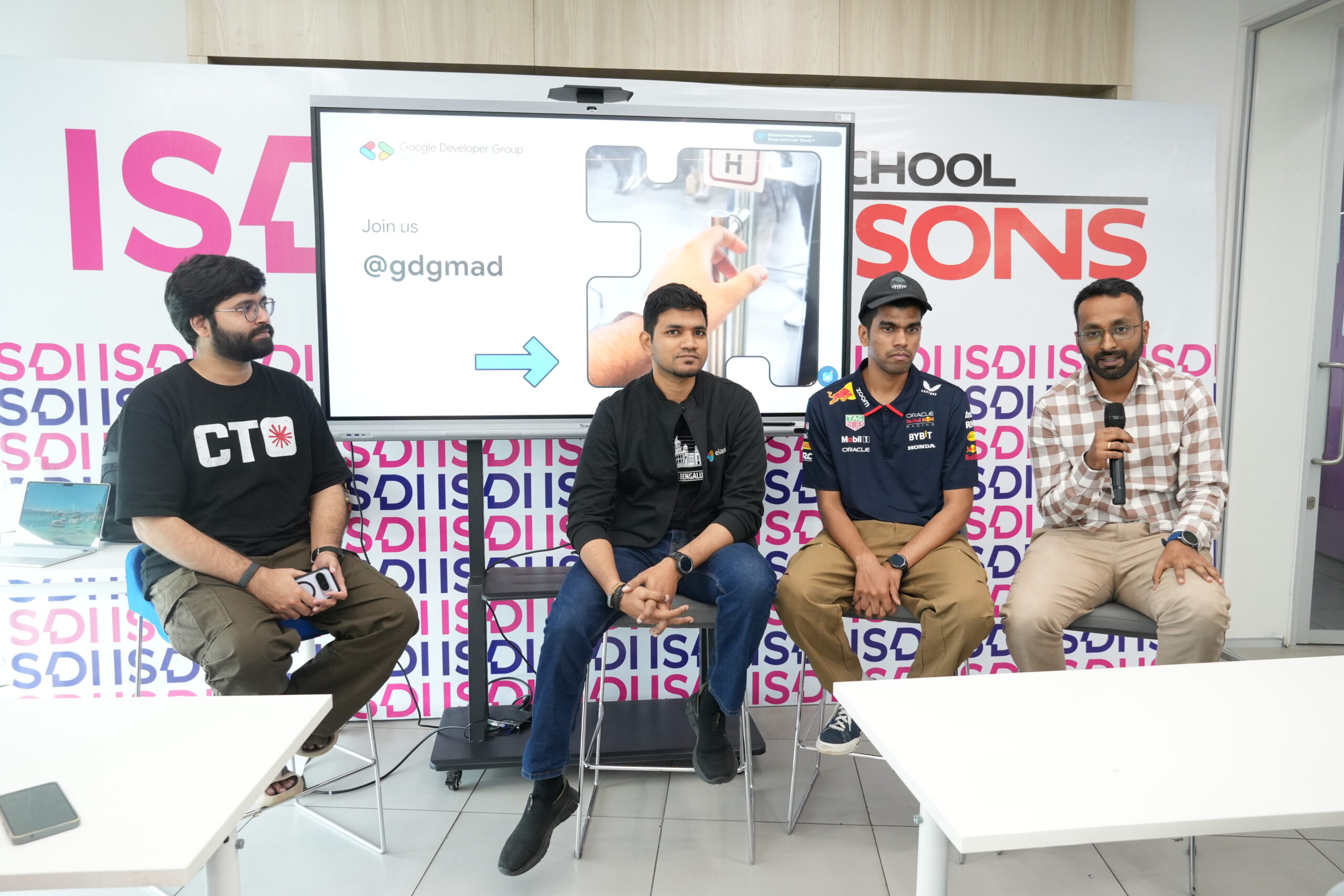
The program also featured engaging interactions with accomplished alumni, who shared how industry expectations are evolving across finance, entrepreneurship, design and technology.
These conversations offered faculty valuable perspectives on integrating practical, industry-oriented learning experiences into the classroom while reinforcing the importance of experiential education.
A Shared Commitment to Future-Ready Education
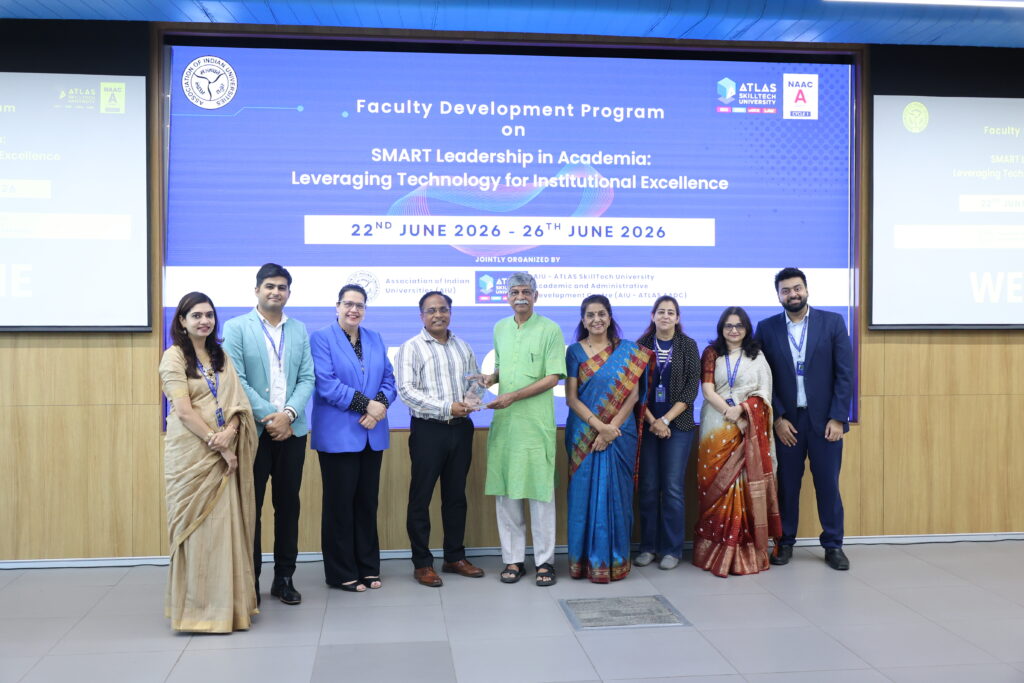
Across five enriching days, the Faculty Development Program became much more than a professional development initiative.
It was a collaborative learning journey that encouraged faculty to embrace emerging technologies, rethink traditional pedagogies, strengthen industry partnerships, and prepare students for careers that may not yet exist.
As higher education continues to evolve, initiatives like the Faculty Development Program reaffirm ATLAS SkillTech University’s commitment to empowering educators with contemporary knowledge, global perspectives and industry relevance. Because when educators continue to learn, students gain the confidence, skills and mindset to lead the future.