Designing AI That Works in the Real World: AI Mumbai × Neo4j at ATLAS ISDI
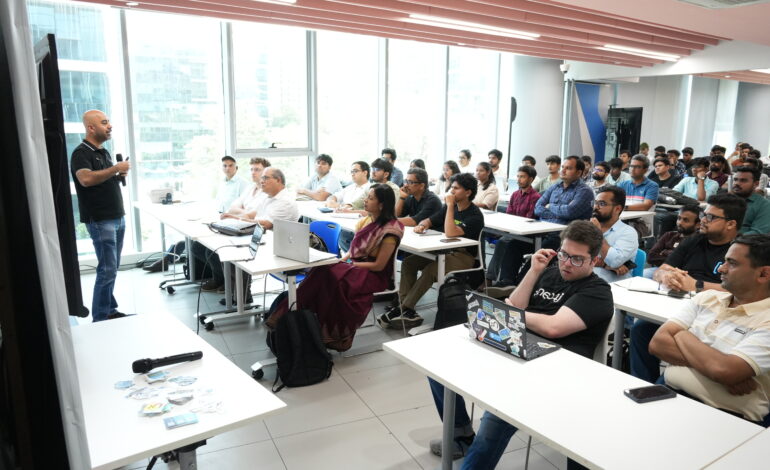

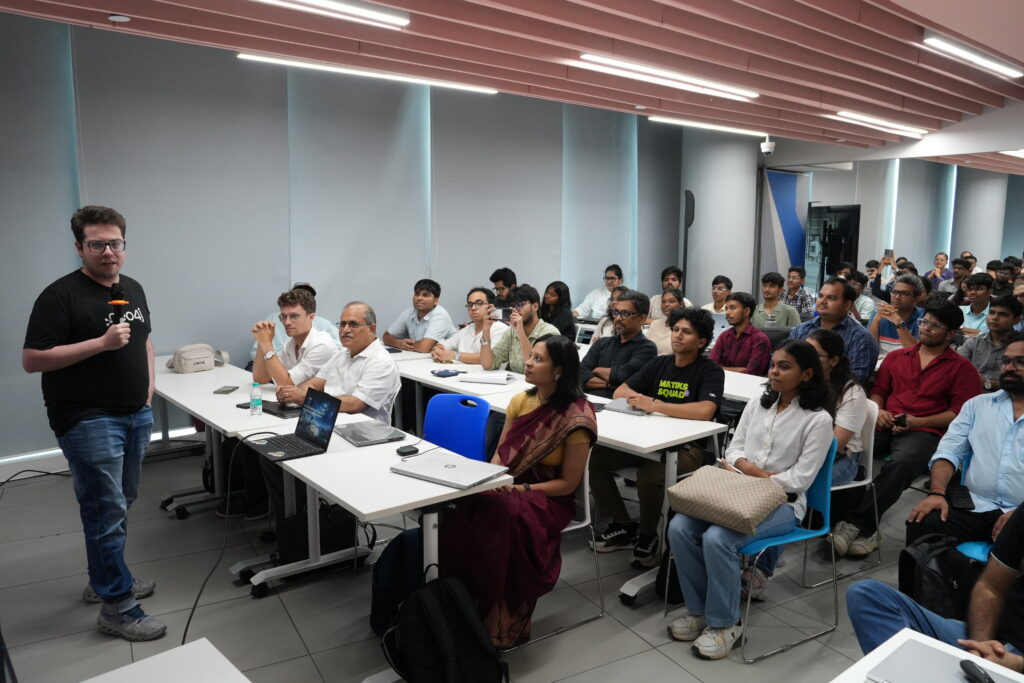
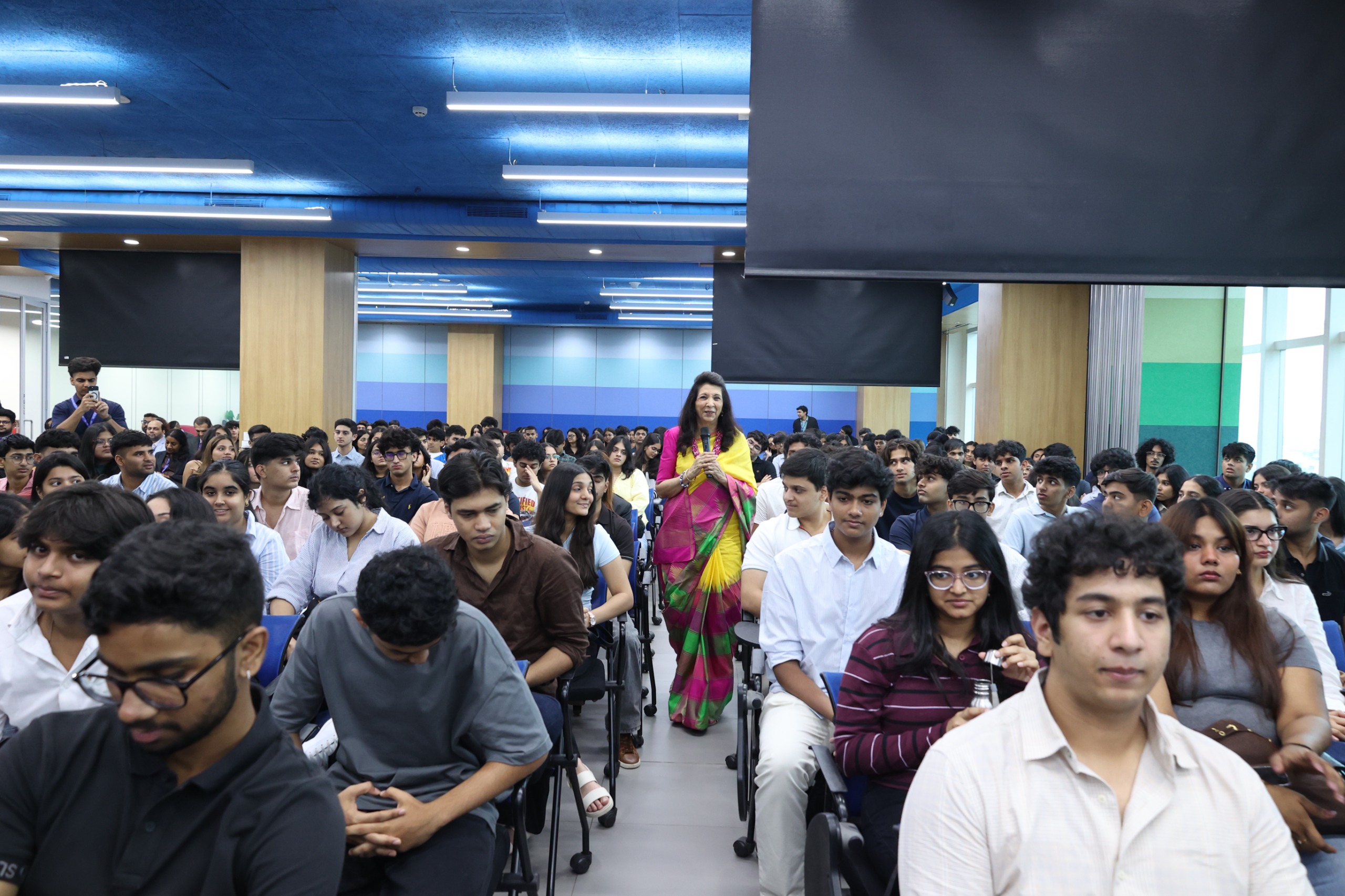
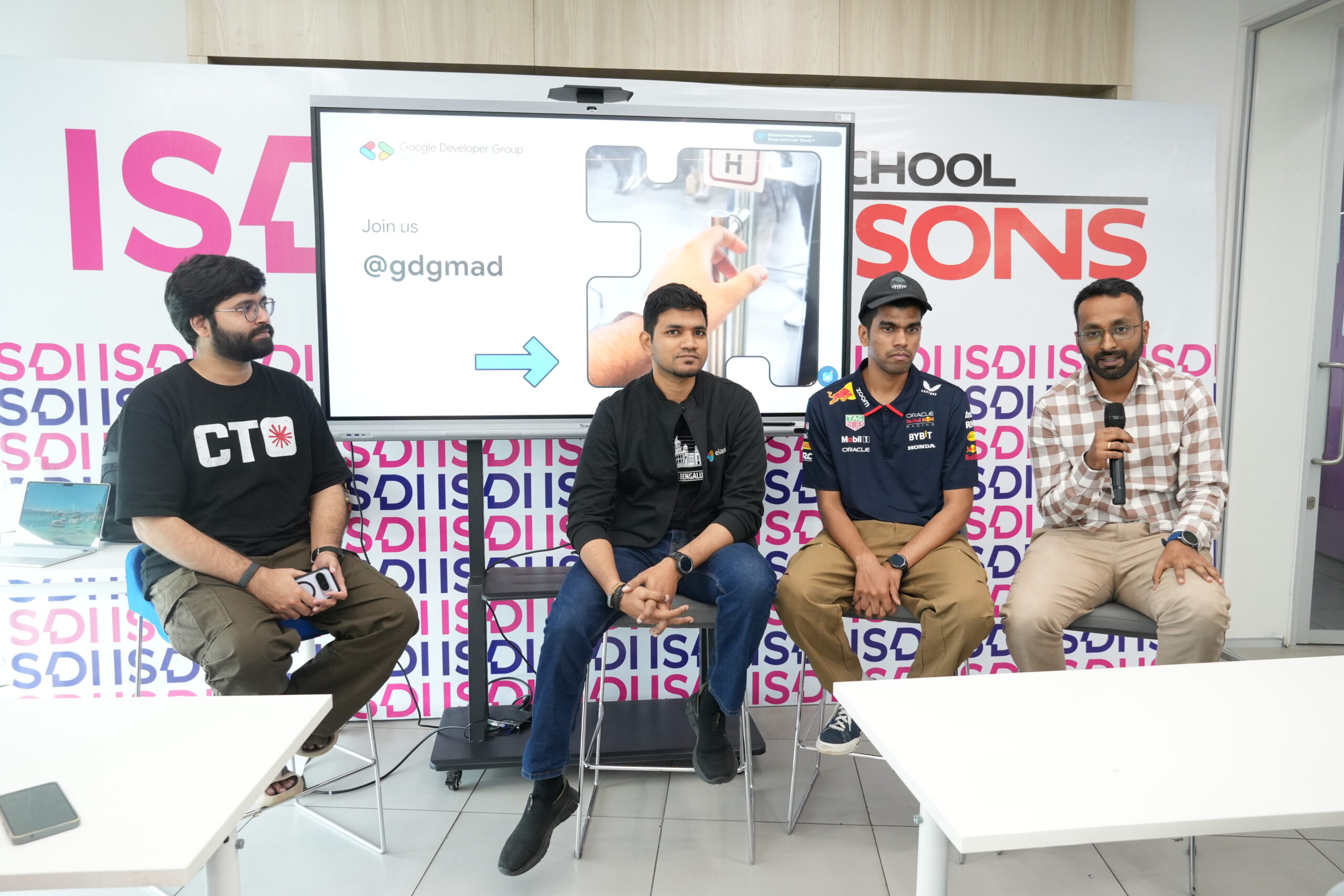
Artificial Intelligence is rapidly transforming industries, but building AI that performs reliably beyond a proof of concept remains one of the biggest challenges facing organisations today. Addressing this critical conversation, ATLAS ISDI recently hosted AI Mumbai × Neo4j: AI Execution & Graph Intelligence at the ATLAS SkillTech University campus, bringing together over 100 developers, founders, engineers, AI practitioners and students for an immersive day of knowledge-sharing and collaboration.
The event provided ISDI students with a unique opportunity to learn directly from industry experts, understand how AI is being deployed in enterprise environments, and explore the growing role of design thinking, systems thinking and human-centred innovation in creating intelligent technologies.
Bridging the Gap Between AI Concepts and Real-World Applications
While AI models continue to evolve at an unprecedented pace, organisations often struggle to move beyond successful demonstrations into scalable, production-ready solutions. The sessions focused on this very challenge, offering participants practical insights into building AI systems that are robust, ethical, context-aware and capable of solving real business problems.
For ISDI students, the event reinforced an important lesson: successful AI is not just about algorithms—it is equally about understanding people, workflows, systems and the contexts in which technology operates.
Learning from Industry Leaders
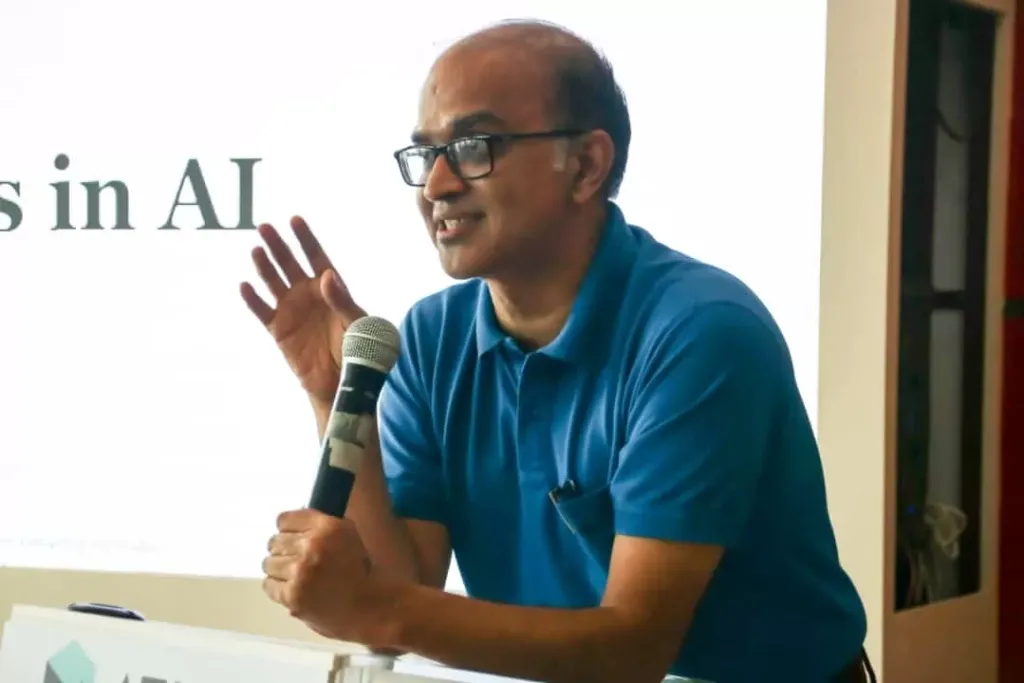
The event featured thought-provoking sessions by leading AI practitioners who shared practical experiences from the frontlines of AI implementation.
Ankush Shah: Why AI Projects Fail, and How to Build Them for Success
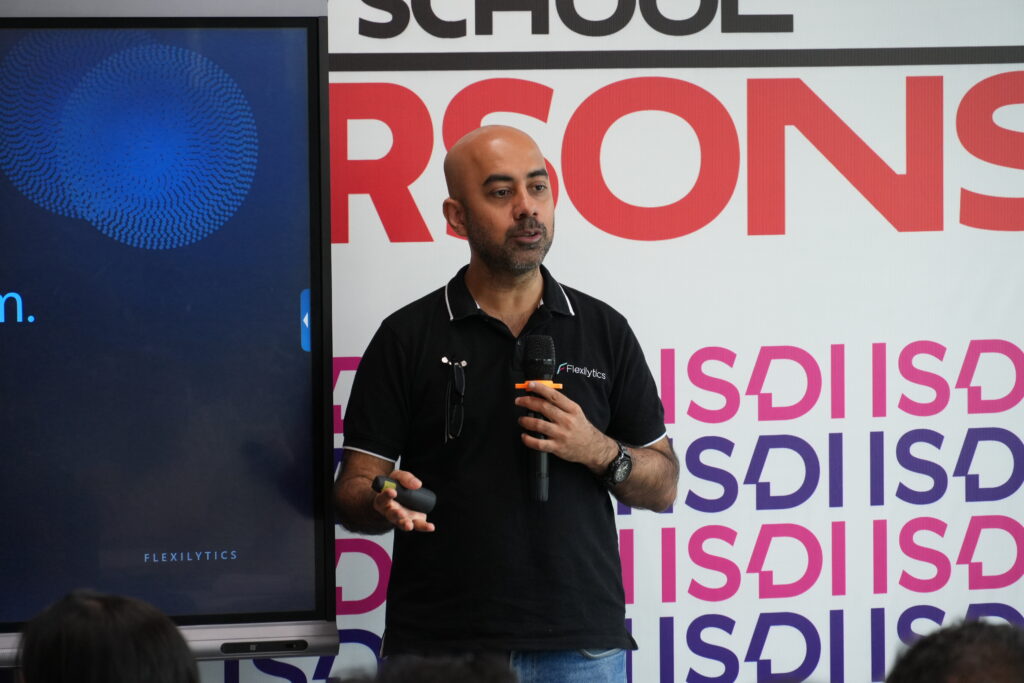
“The real challenge isn’t building an AI proof of concept – it’s designing systems that can perform reliably in the complexity of the real world.”
Ankush Shah explored one of the industry’s biggest challenges: the transition from Proof of Concept (POC) to production.
He highlighted why AI systems often fail outside controlled environments, emphasising that real-world organisations deal with fragmented data, legacy systems and complex business processes. Rather than focusing solely on model performance, successful AI implementation requires stakeholder alignment, governance, risk management, measurable outcomes and carefully designed workflows.
His session encouraged students to think beyond technology and appreciate the importance of designing AI solutions that integrate seamlessly into human and organisational systems.
Zaid Zaim: Unlocking AI with Graph Intelligence
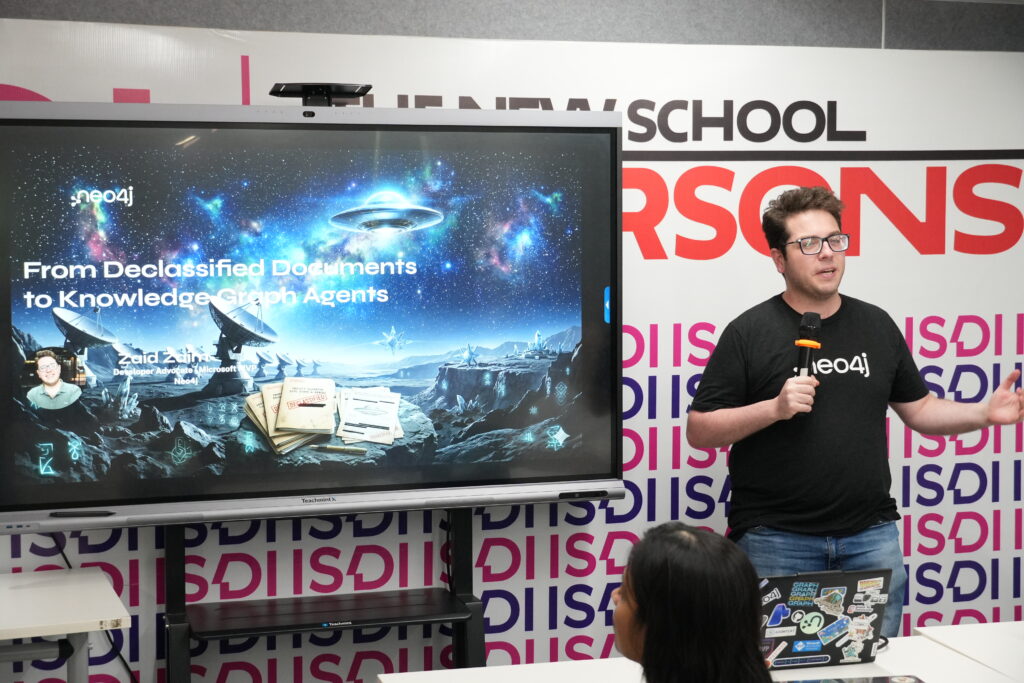
“AI becomes significantly more powerful when it understands relationships, not just information.”
Zaid Zaim, Developer Relations Engineer at Neo4j, introduced students to the power of graph databases and knowledge graphs.
Unlike traditional AI systems that rely primarily on unstructured information, graph-backed intelligence enables AI agents to understand relationships, context and interconnected knowledge. He demonstrated how structured knowledge systems improve decision-making, increase reliability and help AI produce more accurate outcomes in enterprise environments.
Students also learned about the POLE framework (Person, Object, Location and Event), illustrating how knowledge graphs provide the foundation for intelligent document processing and contextual AI applications.
Ghlen Nagels: Building Smarter AI for Software Development
“The future of software development lies in enabling AI to understand how systems are connected, not simply what the code contains.”
Innovation Engineer at Neo4j, Ghlen Nagels showcased how graph technology is transforming software engineering itself.
Using Neo4j × Laravel Boost as an example, he demonstrated how dependency graphs allow AI agents to navigate complex codebases far more efficiently than conventional semantic search techniques. The session illustrated how graph intelligence can improve software maintenance, code refactoring and developer productivity while reducing computational costs.
For students interested in computational design, digital products and AI-assisted development, this offered valuable insight into the future of intelligent software engineering.
Shafali Kapoor: Human-Centred AI for Business
“The most impactful AI solutions are those designed around people, using context and knowledge to create meaningful experiences.”
Creative Technologist Shafali Kapoor presented practical applications of AI-powered knowledge systems in customer engagement and sales.
Her session demonstrated how AI can deliver personalised experiences by combining structured knowledge with contextual understanding. Rather than replacing human creativity, these systems enable professionals to make better decisions, communicate more effectively and deliver more meaningful customer experiences.
The discussion reinforced an important design principle: technology delivers the greatest value when it is built around human needs.
Why This Matters for Design Students
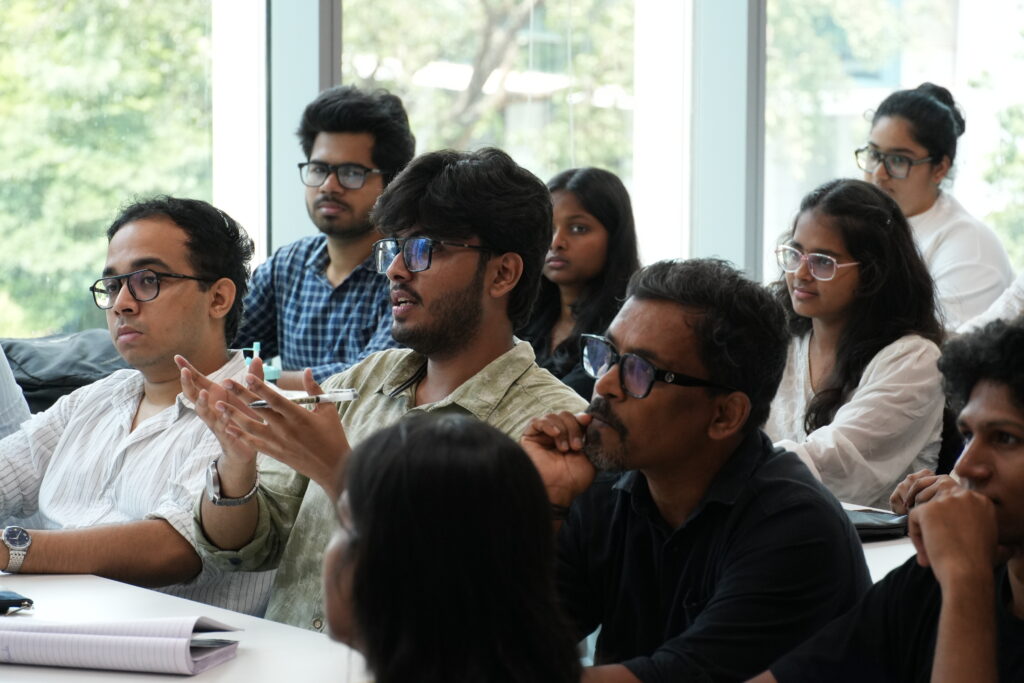
For ISDI students, the event extended beyond technical learning.
As AI increasingly becomes part of every creative discipline – from UX and service design to communication, fashion, product design and spatial experiences – designers are expected to understand how intelligent systems function and, more importantly, how they should be designed responsibly.
The sessions encouraged students to think critically about:
- Designing AI systems that are transparent, trustworthy and ethical.
- Applying systems thinking to solve complex real-world challenges.
- Understanding how structured information improves AI decision-making.
- Collaborating across technology, business and design disciplines.
- Creating human-centred experiences powered by emerging technologies.
Building a Stronger AI Community
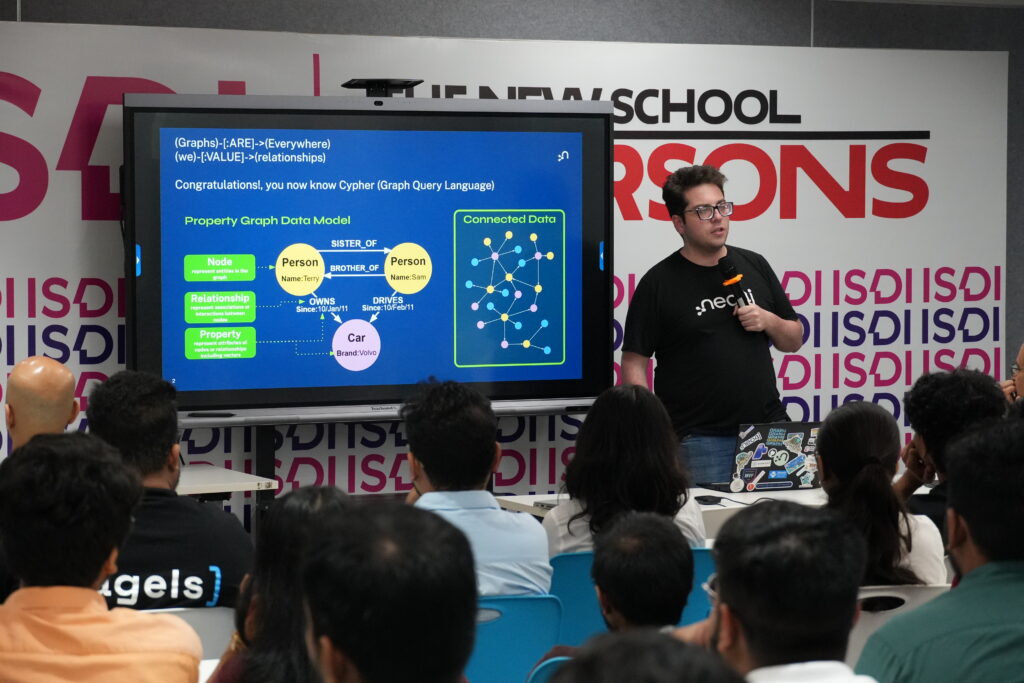
The event also highlighted the growing partnership between ATLAS ISDI and AI Mumbai, one of India’s most active AI communities. By opening its campus to developers, entrepreneurs, researchers and industry leaders, ATLAS ISDI continues to create meaningful opportunities for students to interact with professionals working at the forefront of technological innovation. Such engagements allow students to gain exposure beyond the classroom, participate in knowledge exchange and build valuable industry connections.
Shaping the Future of Design and Technology
As AI continues to redefine industries, designers will play an increasingly important role in shaping how these technologies are experienced, governed and adopted.
Events like AI Mumbai × Neo4j: AI Execution & Graph Intelligence reflect ATLAS ISDI’s commitment to preparing students for this future – one where creativity, systems thinking and emerging technologies converge to solve meaningful human and business challenges.
By bringing together academia, industry and the wider technology community, ATLAS ISDI continues to empower students with the knowledge, perspectives and experiences needed to become future-ready designers and innovators.