From Startups to Supply Chains: What ATLAS ISME Students Learned in Hyderabad

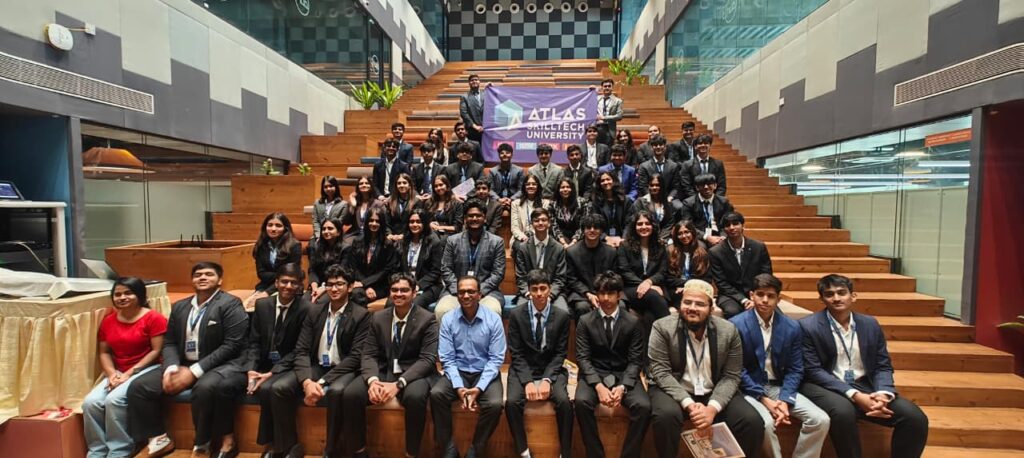
Business education extends far beyond classrooms, case studies and examinations. To truly understand how industries function, how innovation is nurtured and how societies evolve, students must engage directly with the environments where these transformations take place.
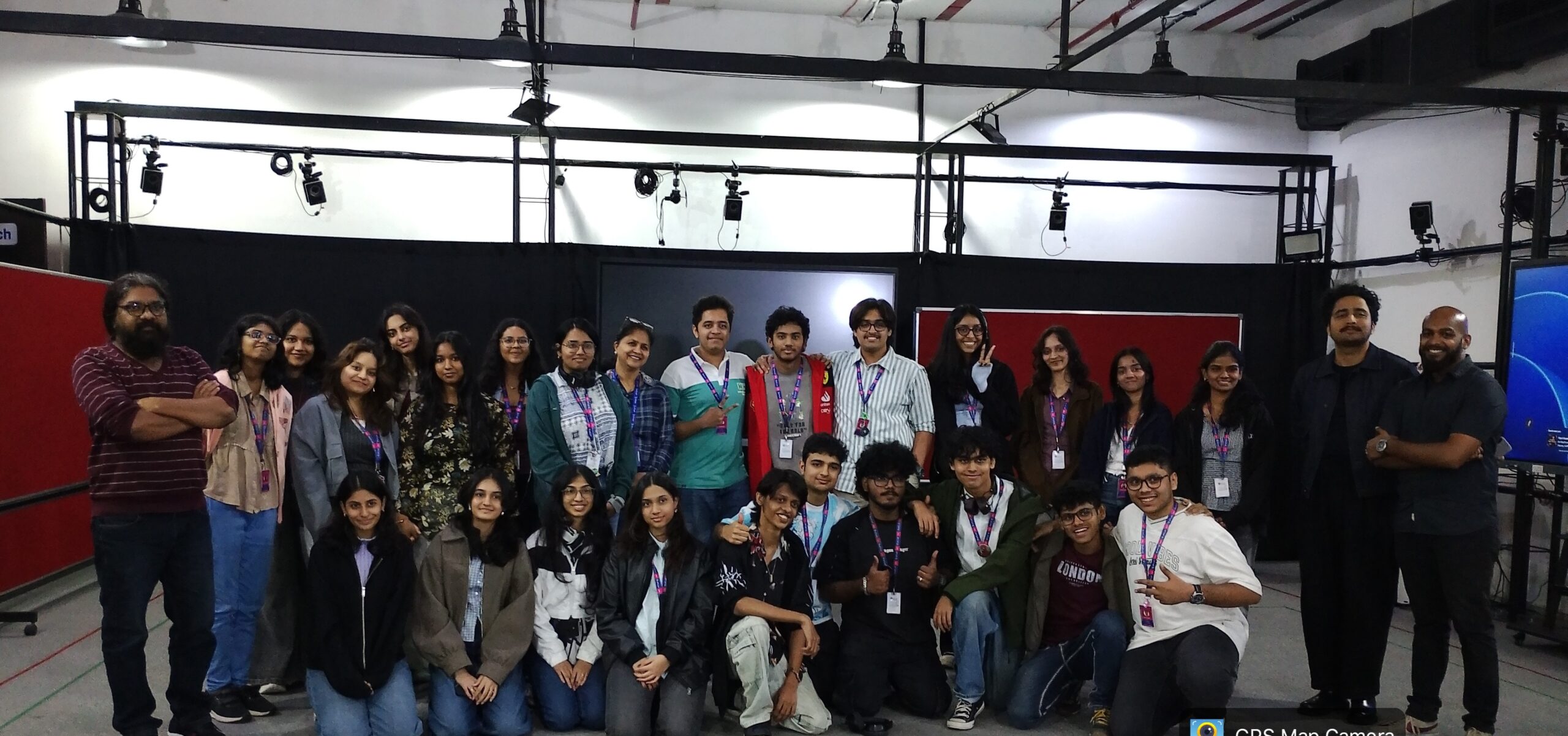
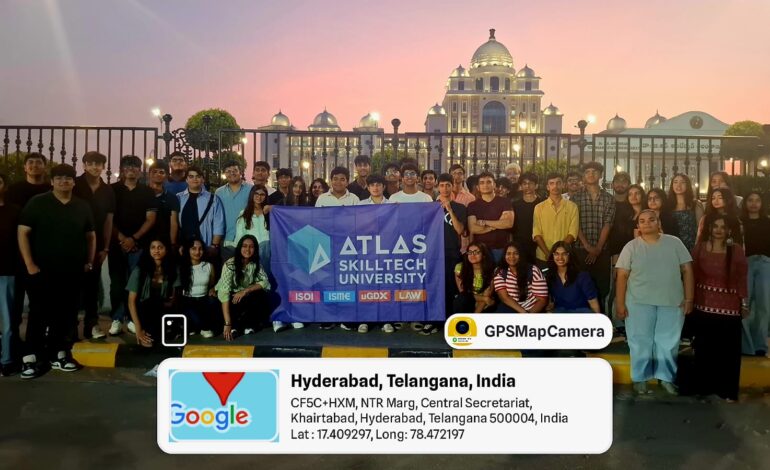
The Hyderabad Immersion Program for First and Second Year BBA students of ATLAS ISME was designed with this philosophy in mind. Over three enriching days, students explored the dynamic intersections of entrepreneurship, management, industry, governance and culture, gaining firsthand exposure to the ecosystems that shape modern economies and business practices.
Golconda Fort and Telangana’s Civic Landmarks: Understanding the Foundations of Cities, Trade and Governance
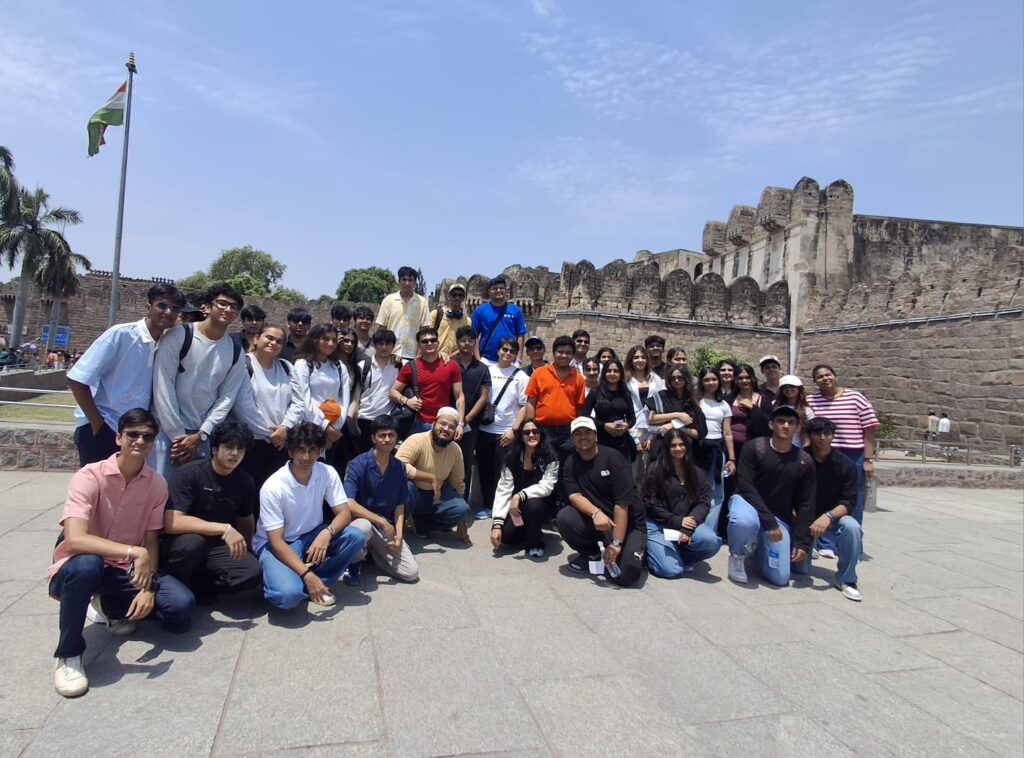
Every thriving business ecosystem is built upon centuries of economic, social and political evolution. The immersion began with an exploration of Hyderabad’s rich historical and civic landscape through visits to Golconda Fort, Lumbini Park, the Telangana Martyrs’ Memorial and the Telangana State Secretariat.
At Golconda Fort, students discovered how strategic planning, military architecture and trade networks contributed to the growth of one of India’s most significant historical centres. Once at the heart of the global diamond trade, Golconda demonstrated how commerce has long played a crucial role in shaping cities and economies.
The fort’s remarkable engineering and acoustic systems also highlighted the importance of innovation long before the modern era. For business students, the experience provided valuable insights into how geography, trade routes and governance structures influence economic development over time.
The visits to the Telangana Martyrs’ Memorial and the State Secretariat offered a contemporary perspective on governance and public administration. Students observed how civic institutions, public infrastructure and policy frameworks contribute to urban development and citizen engagement. Together, these experiences helped students understand the interconnected relationship between history, governance and economic growth.
T-Hub: Inside India’s Leading Startup and Innovation Ecosystem
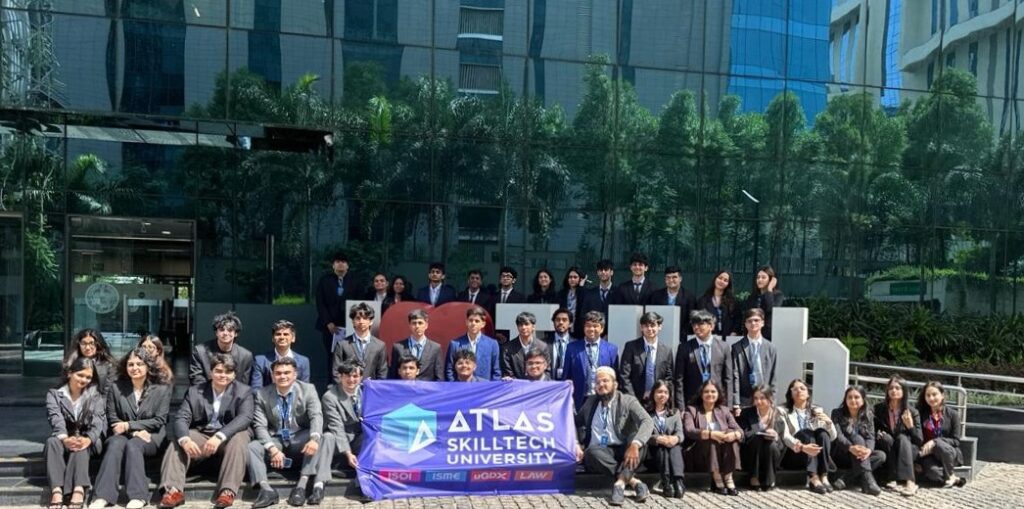
A key highlight of the immersion was the visit to T-Hub, India’s premier startup incubator and innovation hub. For aspiring entrepreneurs and business leaders, the experience provided a rare opportunity to witness how innovative ideas are transformed into scalable ventures.
Students were introduced to T-Hub’s vision, growth journey and its role in strengthening India’s entrepreneurial ecosystem. As they explored collaborative workspaces, startup offices, mentoring zones and networking areas, they gained a deeper appreciation for the infrastructure and support systems required to nurture innovation.
The visit became particularly engaging during the Elevator Pitch Challenge, where students conceptualized business ideas and presented them before T-Hub mentors. The exercise encouraged participants to think critically, identify market opportunities and articulate compelling value propositions within a limited timeframe.
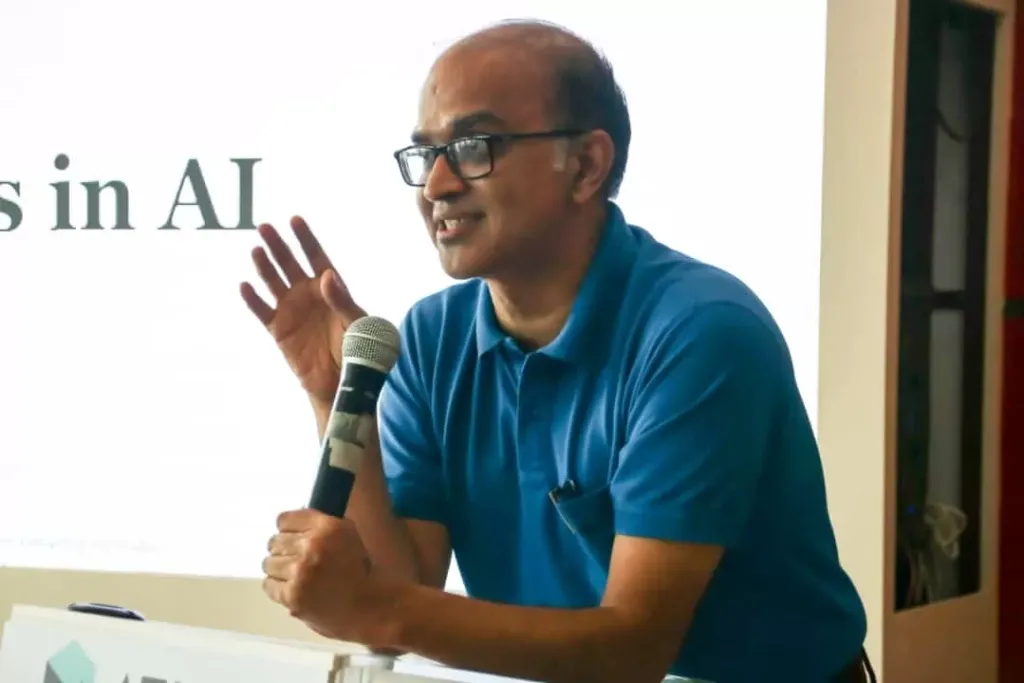
The feedback provided by mentors offered valuable lessons on innovation, feasibility, customer relevance and investor readiness. An insightful interaction with Mr. Srinivas Taluka, Vice President of T-Hub, further expanded students’ understanding of entrepreneurship, leadership, startup culture and emerging opportunities in technology-driven industries.
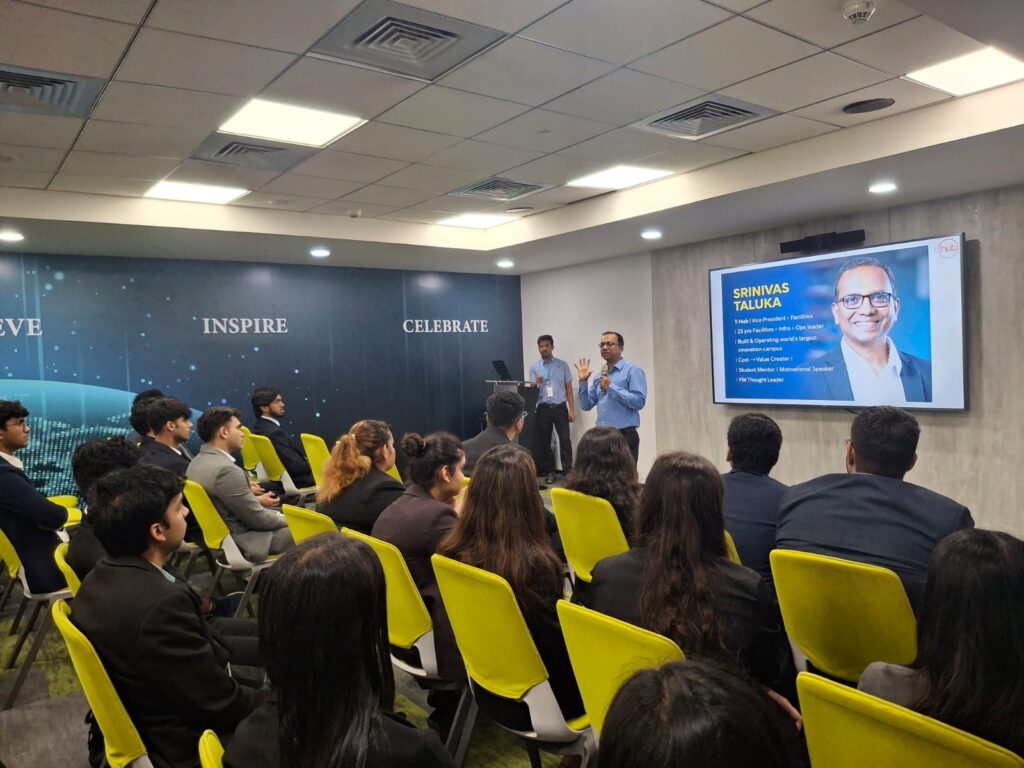
For many students, the visit transformed entrepreneurship from a theoretical concept into a tangible and achievable career pathway.
Indian School of Business (ISB): Learning from a Global Benchmark in Management Education
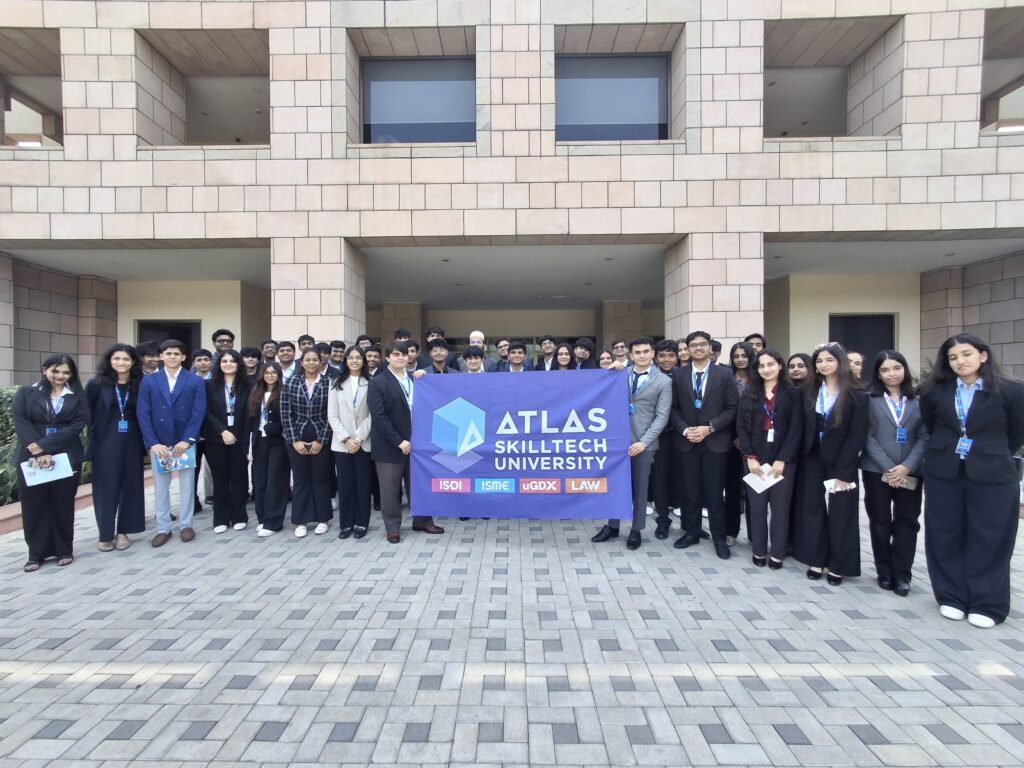
The immersion continued with a visit to the Indian School of Business (ISB), one of India’s most respected institutions for management education.
Through an engaging session led by the institution’s leadership team, students learned about ISB’s journey, global partnerships, research initiatives and contributions to developing future business leaders. Discussions highlighted how academic excellence, thought leadership and industry collaboration come together to create meaningful impact.
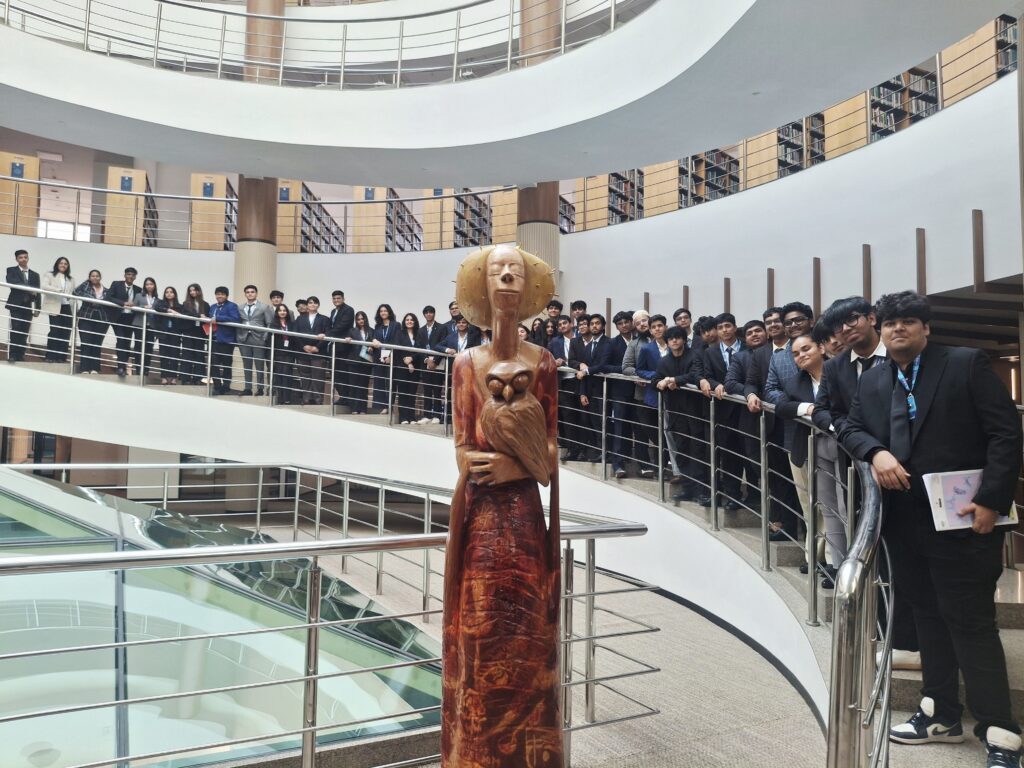
The campus tour exposed students to world-class learning environments, research facilities and collaborative spaces designed to foster innovation and leadership. Students also gained insights into ISB’s entrepreneurship initiatives and its role in supporting startup development and industry-academia partnerships.
The visit provided a valuable glimpse into how leading educational institutions contribute not only to individual career growth but also to the broader business and innovation ecosystem.
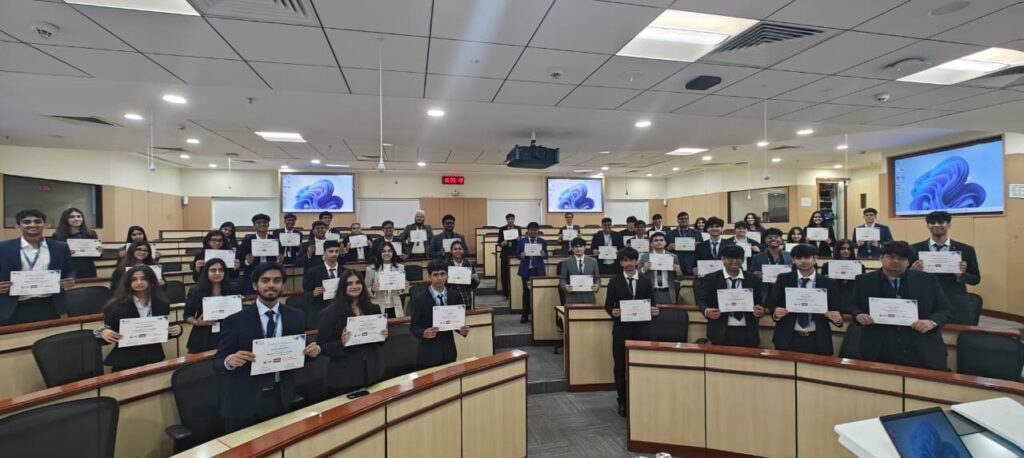
Hindustan Coca-Cola Beverages (HCCB): Witnessing Operations, Supply Chains and Sustainability at Scale
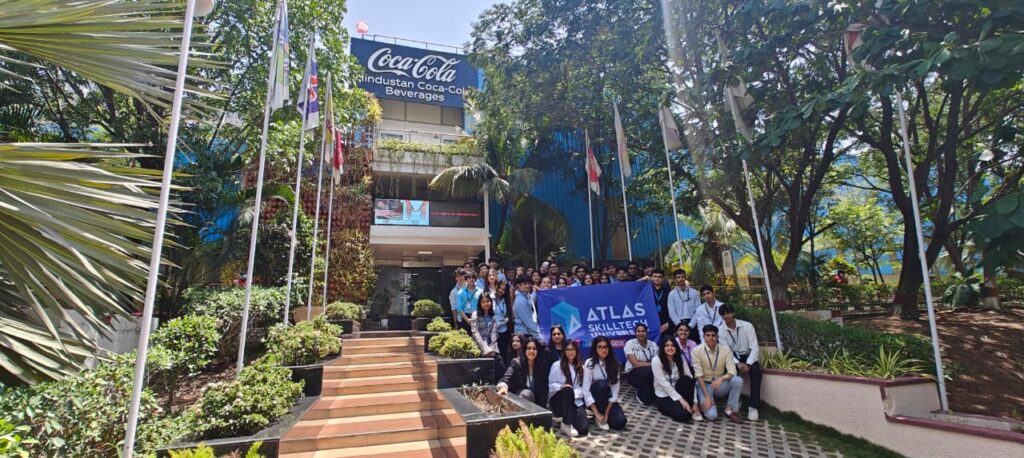
While startup ecosystems showcase innovation and agility, large corporations demonstrate the power of operational excellence. The visit to Hindustan Coca-Cola Beverages (HCCB) offered students firsthand exposure to the complexities of large-scale manufacturing and supply chain management.
Students observed the complete production journey, from water purification and carbonation to bottling, packaging and distribution. The facility provided a real-world understanding of operations management concepts often discussed in classrooms, including quality control, automation, inventory management and logistics.
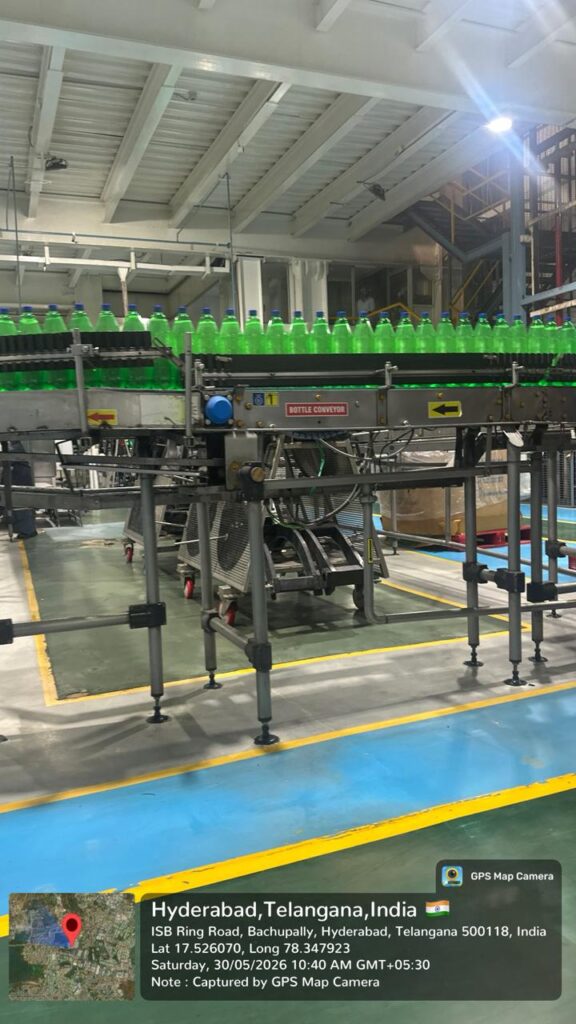
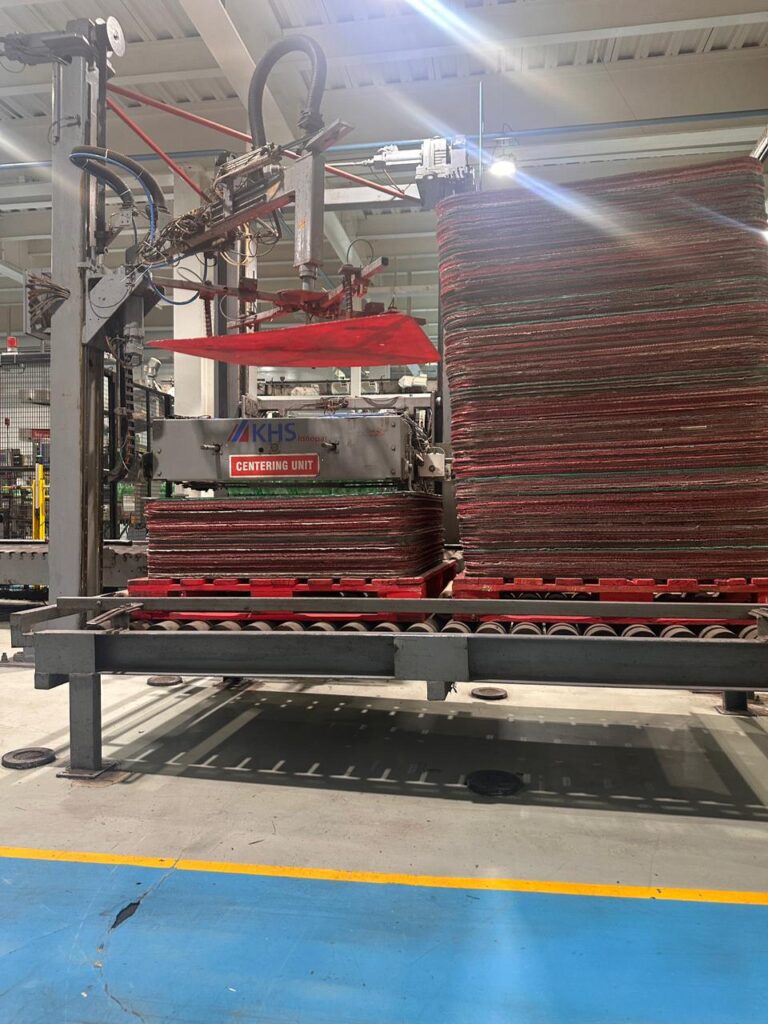
The visit also highlighted the role of technology in ensuring efficiency and consistency across large-scale operations. Students witnessed how automated systems and process optimization contribute to productivity and quality assurance.
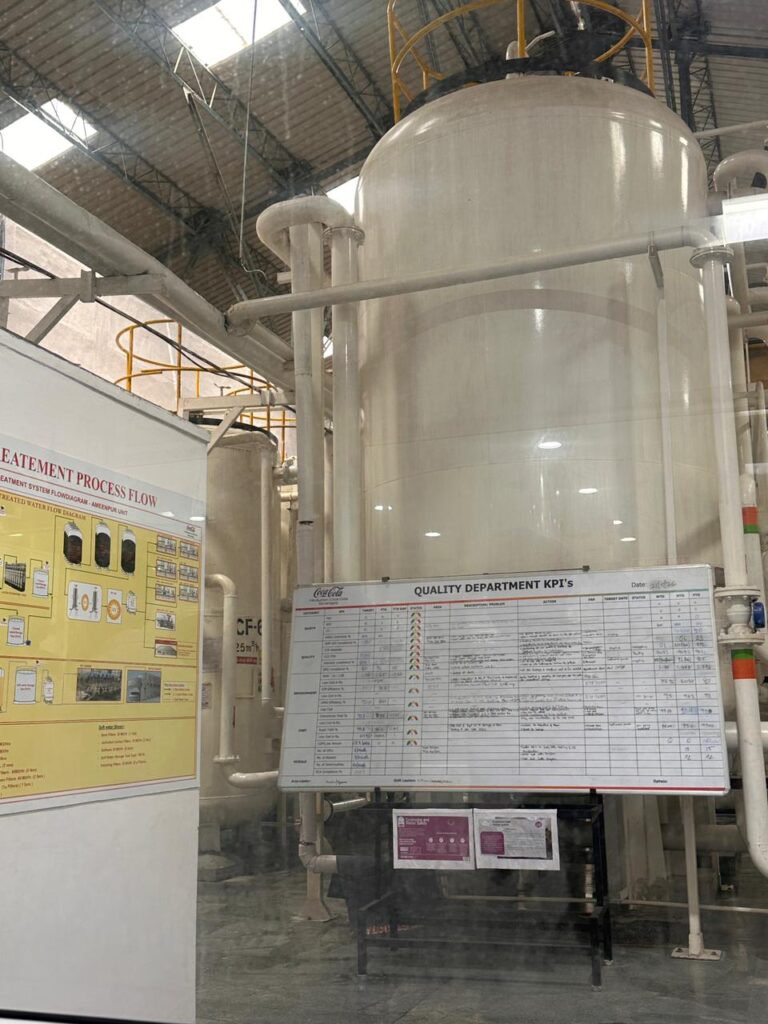
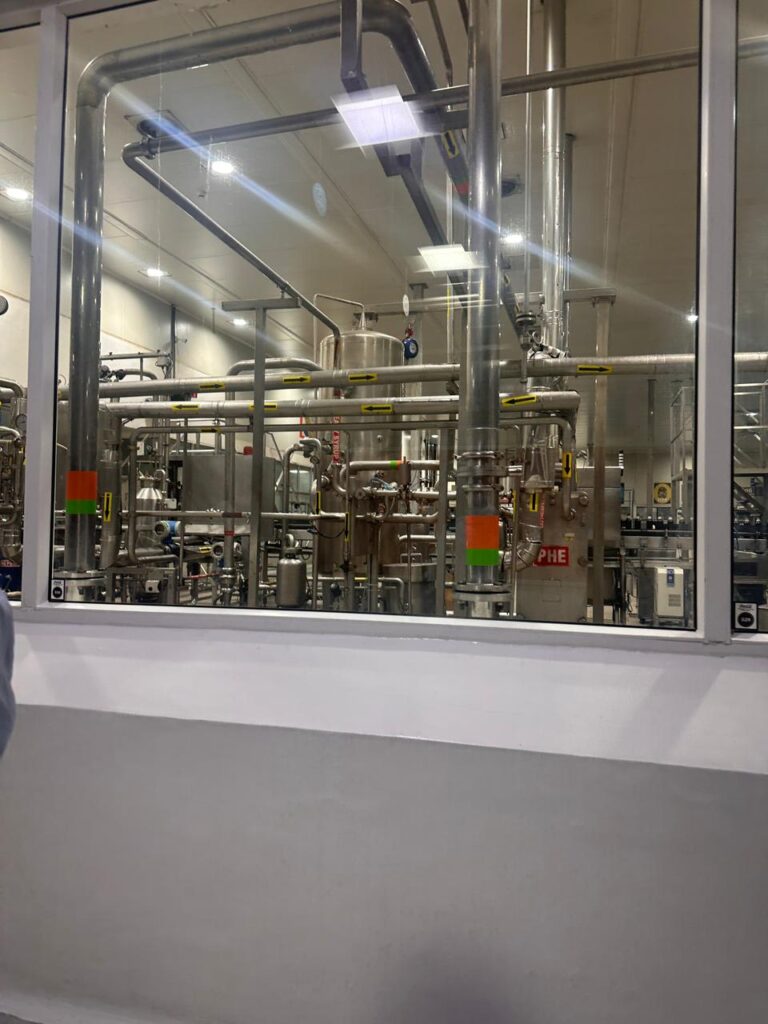
Equally important were HCCB’s sustainability initiatives. Through water conservation practices, recycling measures and resource management strategies, students gained insights into how organizations are increasingly integrating environmental responsibility into their business models.
The experience reinforced the idea that operational success today requires balancing profitability with sustainability and long-term impact.
Paradise Restaurant and Salar Jung Museum: Exploring Hyderabad’s Cultural and Creative Heritage
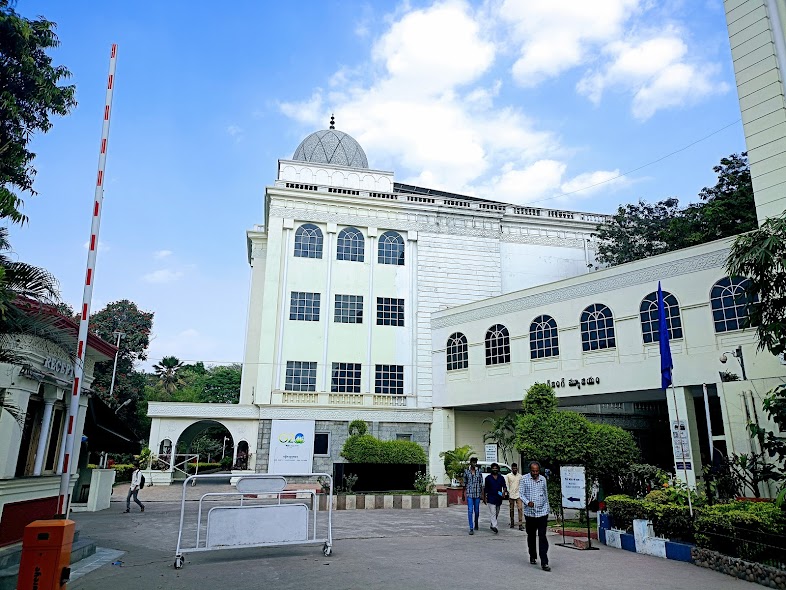
Business environments do not exist in isolation; they are deeply influenced by culture, tradition and community identity. To understand Hyderabad beyond its corporate and entrepreneurial landscape, students explored two of the city’s most iconic cultural landmarks.
A lunch experience at Paradise Restaurant introduced students to Hyderabad’s celebrated culinary heritage. Beyond the flavours, the experience highlighted how food contributes to tourism, regional branding and cultural identity.
The visit to the Salar Jung Museum offered another dimension of learning. Home to one of India’s most extensive collections of art, artifacts, manuscripts and historical treasures, the museum showcased the importance of preserving heritage while celebrating global cultural exchange.
For future business leaders, these experiences served as a reminder that understanding people, cultures and traditions is essential to understanding markets and consumer behaviour.
From Startup Pitches to Factory Floors: A Transformative Learning Experience for Future Business Leaders
The Hyderabad Immersion Program successfully blended entrepreneurship, management education, industry exposure, governance and cultural exploration into a meaningful experiential learning journey.
From presenting startup ideas at T-Hub and exploring academic excellence at ISB to observing manufacturing operations at HCCB and discovering Hyderabad’s rich cultural heritage, students gained perspectives that cannot be replicated within a classroom setting.
More importantly, the immersion strengthened critical skills such as communication, teamwork, adaptability, problem-solving and analytical thinking. It encouraged students to connect theory with practice and to view business through multiple lenses – economic, social, cultural and technological.
As business landscapes continue to evolve, experiences like the Hyderabad Immersion Program equip ATLAS ISME students with the curiosity, confidence and real-world understanding needed to become thoughtful, innovative and future-ready leaders.