The Edit (Mumbai): Decoding the Future of Design, One Conversation at a Time
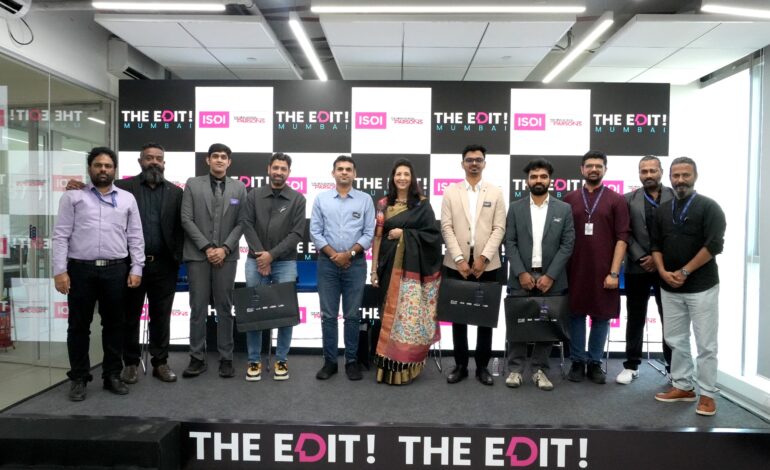

In a rapidly evolving world where technology is reshaping creativity, The Edit (Mumbai) at ISDI – School of Design & Innovation emerged as a powerful platform for dialogue, discovery and direction. It was a convergence of ideas, industries and individuals, each contributing to a larger narrative about the future of design.
Hosted at ISDI’s Mumbai campus, The Edit (Mumbai) brought together over 25 industry leaders across diverse domains including AI, fashion, spatial design, storytelling, product innovation and strategy. What made this gathering truly unique was the breadth of expertise, depth of conversations that unfolded and conversations that moved beyond trends into meaningful insights and real-world applications.
Here’s a closer look at each panel and the key takeaways that defined the day:
Designing Intelligence at the Intersection of AI & Technology
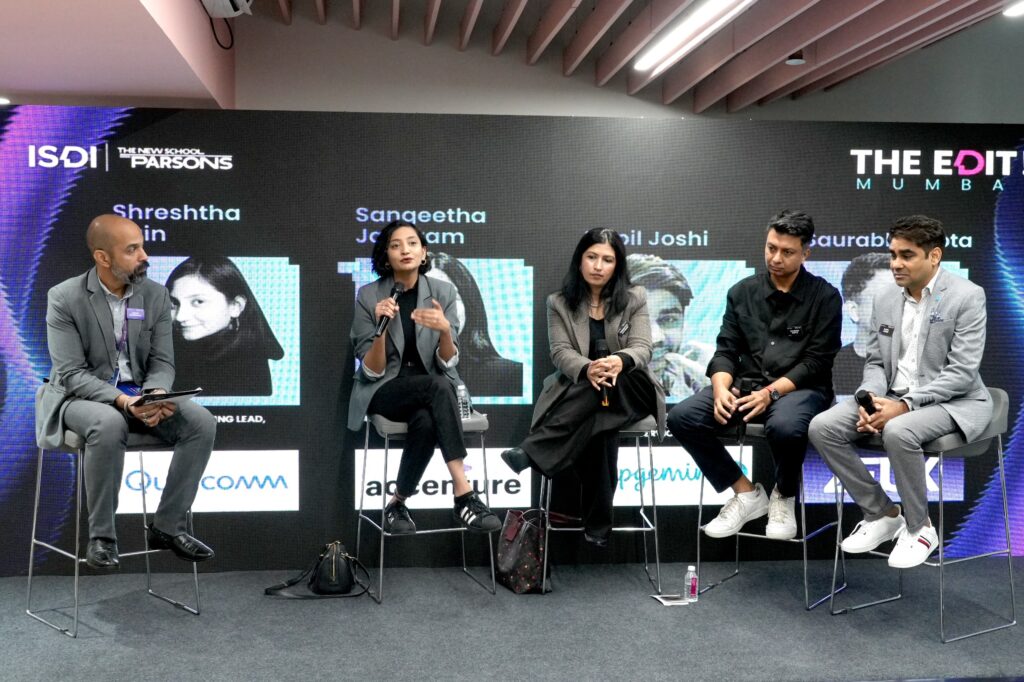
Saurabh Gupta, Co-Founder, ZEUX Innovation & Loopify
Sangeetha Jayaram, MD – Design, Accenture
Shreshtha Jain, Product Marketing Lead, Qualcomm
Kapil Joshi, Head of Experience Design Practice, Capgemini Financial Services SBU
This panel explored how AI is transforming the design process from execution to strategy. A key takeaway was that designers must evolve into systems thinkers—leveraging AI as a collaborator while focusing on problem-framing, ethics, and human impact. The future belongs to those who can combine creativity with technological fluency.
The Intelligent Built Environment: Design, AI & Spatial Experience
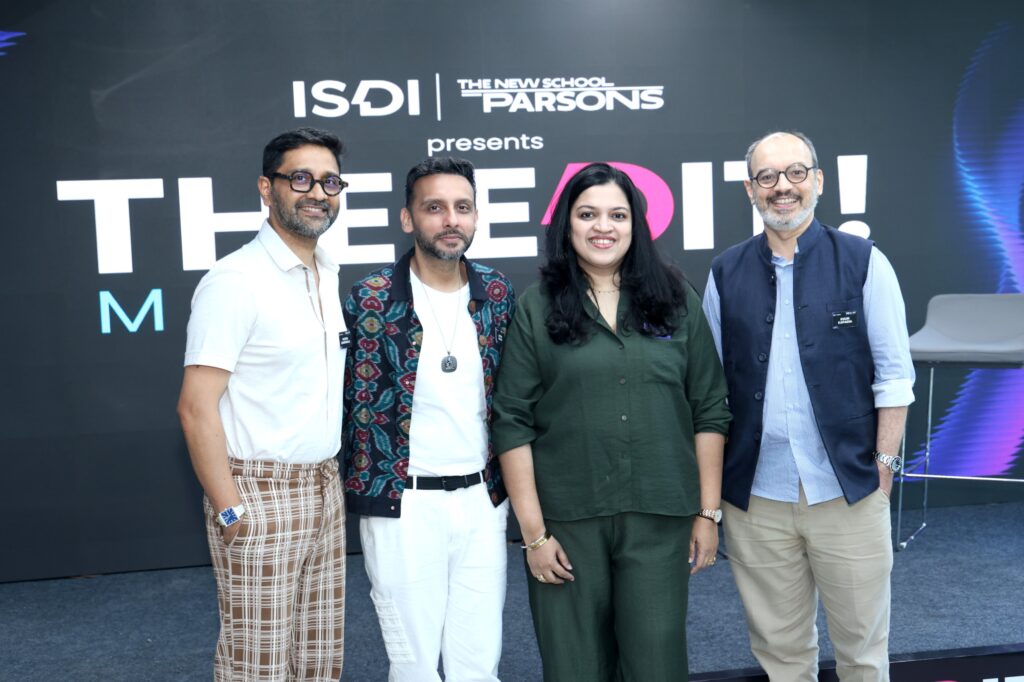
Kulin Kapadia, Founder & Principal, Alcove
Huzefa Rangwala & Jasem Pirani, Co-Founders, MuseLab
The conversation highlighted how spaces are becoming responsive, data-driven, and immersive. Panelists emphasized that spatial designers must now think beyond form—towards behavior, interaction, and experience. AI is enabling smarter environments, but storytelling and human emotion remain central to meaningful spatial design.
Designing the Human–AI Future
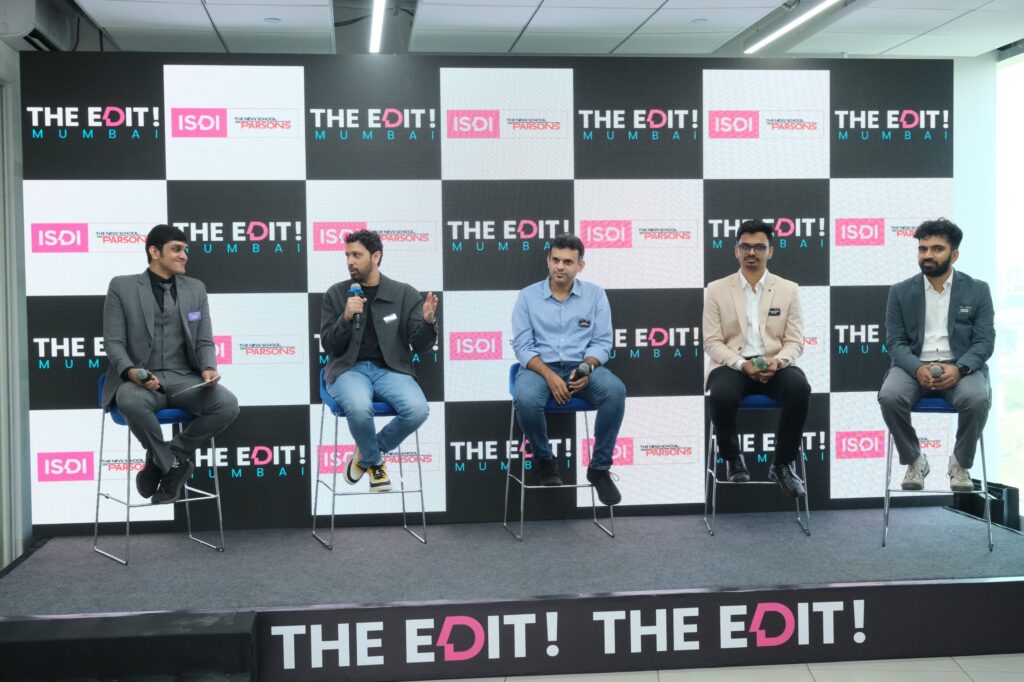
Swapnil Sansare, Founder & CEO, Divide By Zero Technologies
Abbas Gabajiwala, Founder, Blix Education
Anand Ramaswami, Founder, Makersverse
Raghvendra Sutar, Founder, Kikobot Robotics
Focusing on robotics and human-AI interaction, this panel underscored that the future of technology is deeply human-centric. While machines are becoming more intelligent, the real challenge lies in designing interactions that are intuitive, ethical, and inclusive. The panel reinforced that empathy and usability will define successful innovation.
The Evolving Fashion Ecosystem: Design, AI & Digital Culture
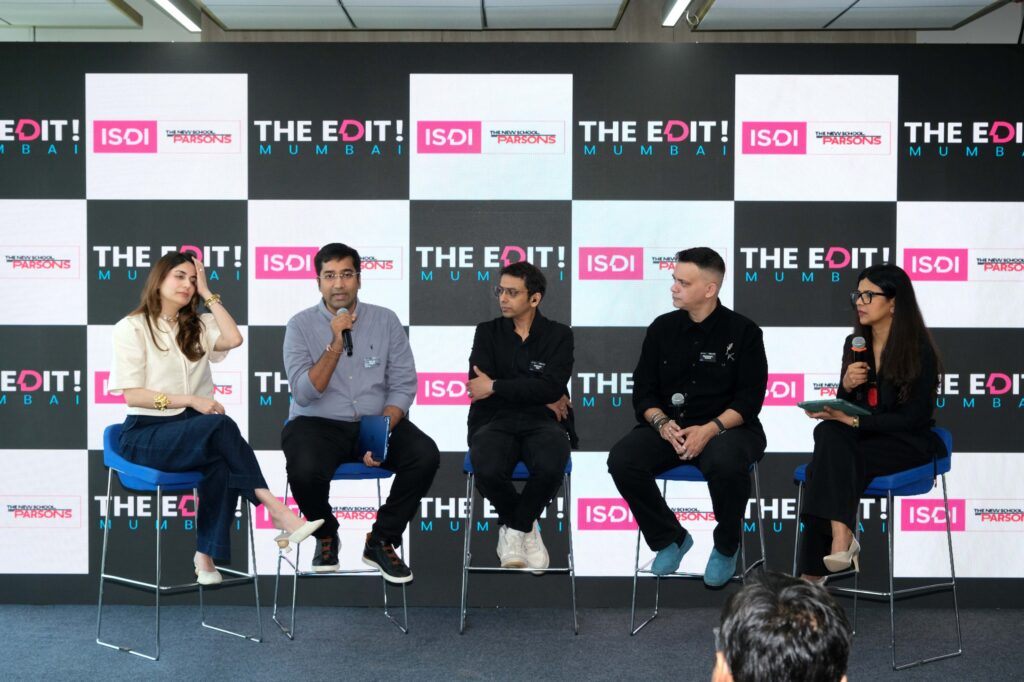
Nachiket Barve, Founder & Creative Director
Shayak Sen, Head of Design, Myntra
Deval Shah, Group Vice President, Reliance Brands Limited
Shubhika Sharma, Founder, CEO & CFO, Papa Don’t Preach
Fashion is undergoing a massive shift driven by digital culture and AI. The panel highlighted how designers must adapt to faster cycles, digital-first thinking, and new consumer behaviors. At the same time, authenticity, storytelling, and craftsmanship continue to hold value—making the balance between technology and identity crucial.
Storytelling with Algorithms
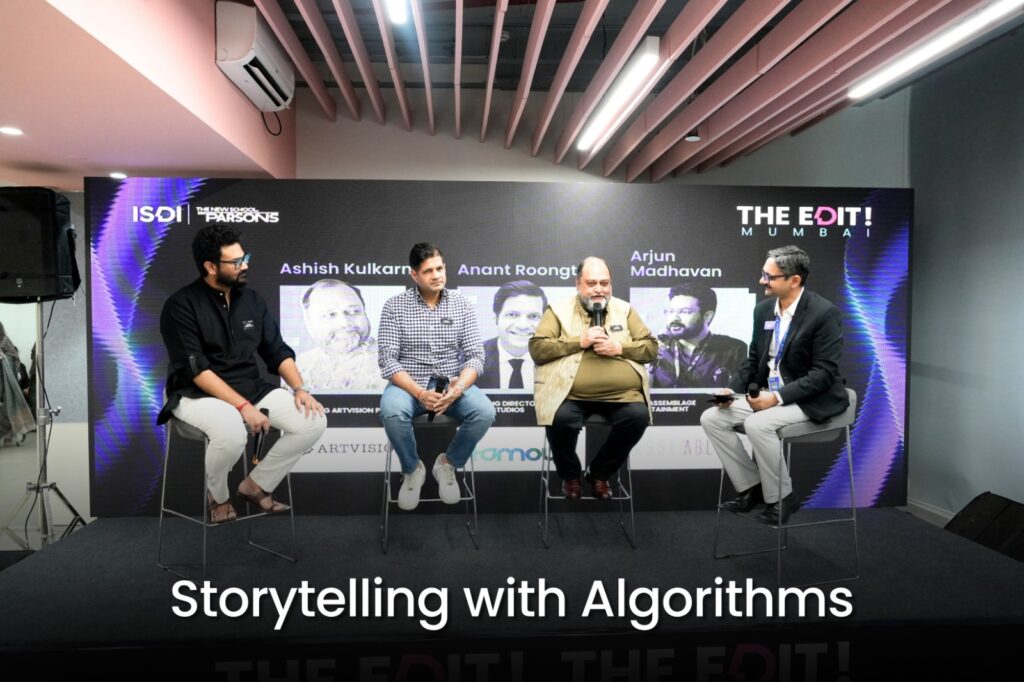
Arjun Madhavan, CEO, Assemblage Entertainment
Ashish Kulkarni, Founder, Punnaryug Artvision Pvt. Ltd.
Anant Roongta, Managing Director, Famous Studios
Storytelling is being redefined by technology, but its core remains unchanged. The panel explored how AI and digital tools are enabling new formats and efficiencies, while creativity, emotion, and narrative depth remain human-driven. The key takeaway: technology enhances storytelling—but cannot replace the storyteller.
Inventing the Future: Designing Products, Systems & Experiences
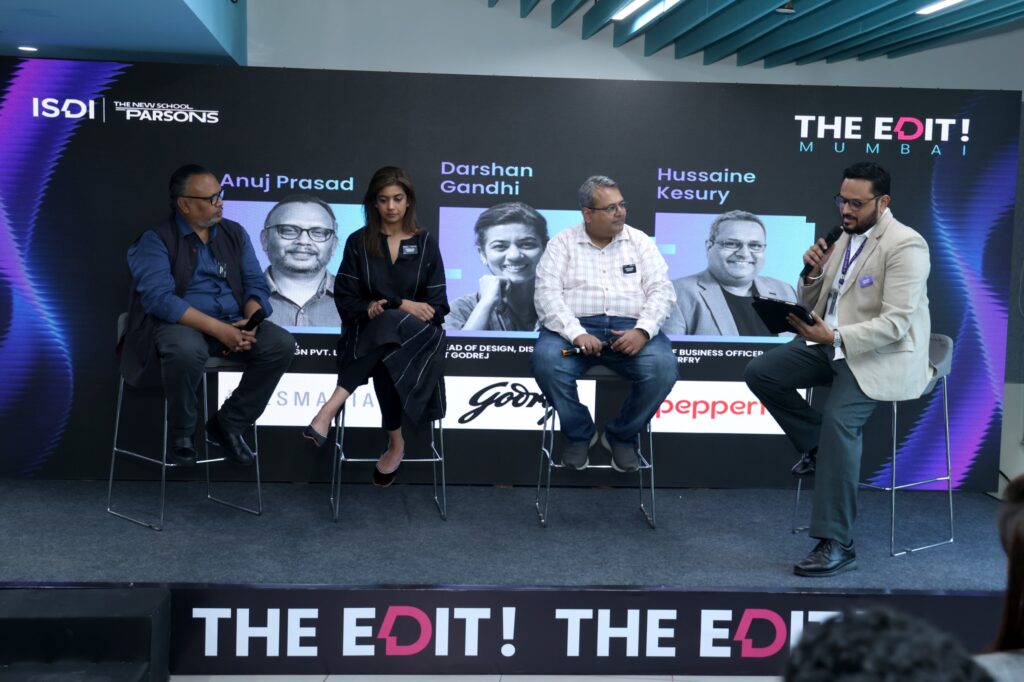
Hussaine Kesury, Chief Business Officer, Pepperfry
Darshan Gandhi, Head of Design, Disco at Godrej
Anuj Prasad, Founder & CEO, Desmania Design Pvt. Ltd.
This session focused on building scalable, user-centric products in a complex world. Panelists emphasized the importance of integrating design with business strategy, understanding user behavior, and designing for long-term impact. The future of product design lies in creating holistic systems—not just standalone solutions.
AI + Designers: The New Creative Partnership
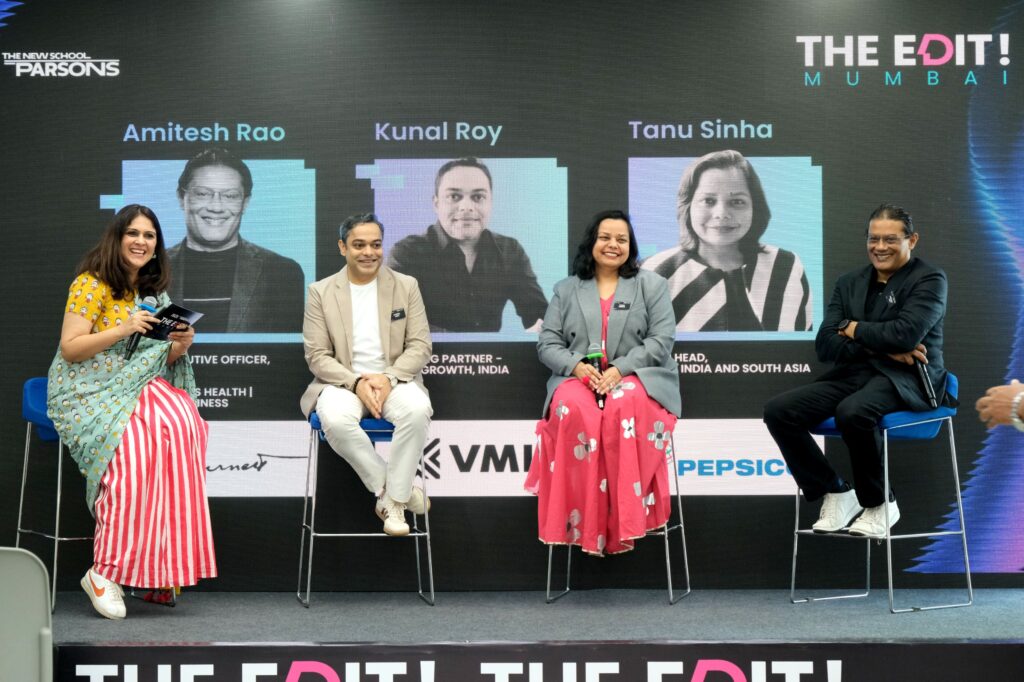
Amitesh Rao, CEO – South Asia, Leo | Publicis Health | Publicis Business
Tanu Sinha, Design Head, PepsiCo India & South Asia
Kunal Roy, Managing Director, VML
A standout insight from this panel was how AI is democratizing creativity. Designers today have access to tools that accelerate ideation and execution, but the real differentiator is original thinking. The panel also highlighted that young designers, with their adaptability and openness, are best positioned to lead this shift.
Design Strategy in a Tech-Driven World
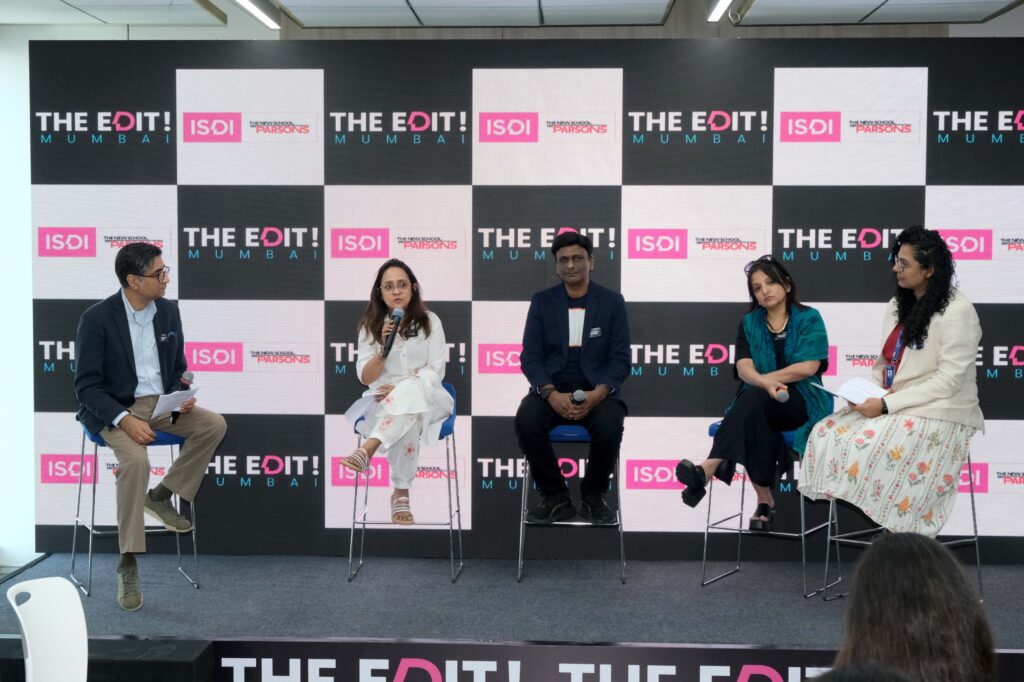
Amit Krishn Gulati, Founder & Director, Incubis Consultants
Rutu Mody Kamdar, Founder, Jigsaw Brand Consultants
Azmina Poddar, Managing Director – Experience Design, JPMorgan Chase & Co.
Yogendra Solanki, Director of Product Design, Target
This panel explored how design is increasingly becoming a strategic business function. Leaders emphasized the need for designers to understand markets, users, and business goals. Strategic thinking, adaptability, and the ability to navigate complexity are now critical skills for design leadership.
From Ideas to Application: Learning by Doing
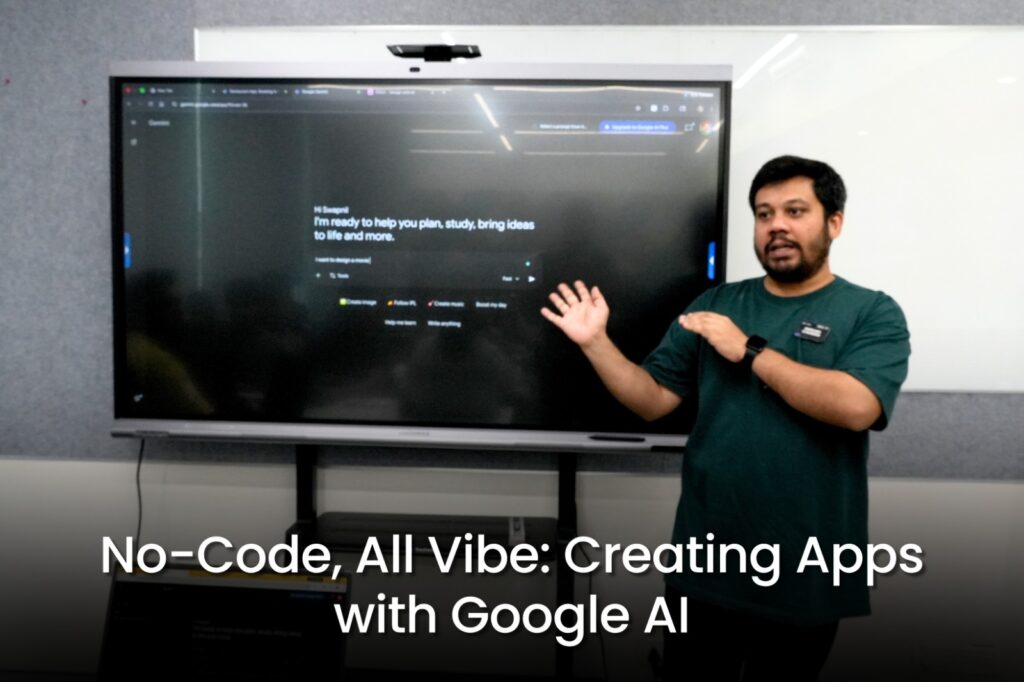
What set The Edit (Mumbai) apart was its emphasis on experiential learning. Alongside thought-provoking panels, the event featured hands-on workshops that allowed participants to actively engage with emerging tools and technologies.
Sessions on Gen AI in filmmaking, AR experience creation, no-code app development using Google AI, and designing AI-driven products provided a practical lens to the discussions. These workshops weren’t just about learning new tools—they were about understanding how these tools can be applied to solve real-world challenges.
For students, this was an invaluable opportunity to move beyond theoretical knowledge and experience the evolving landscape of design in action.
Learning Beyond the Classroom

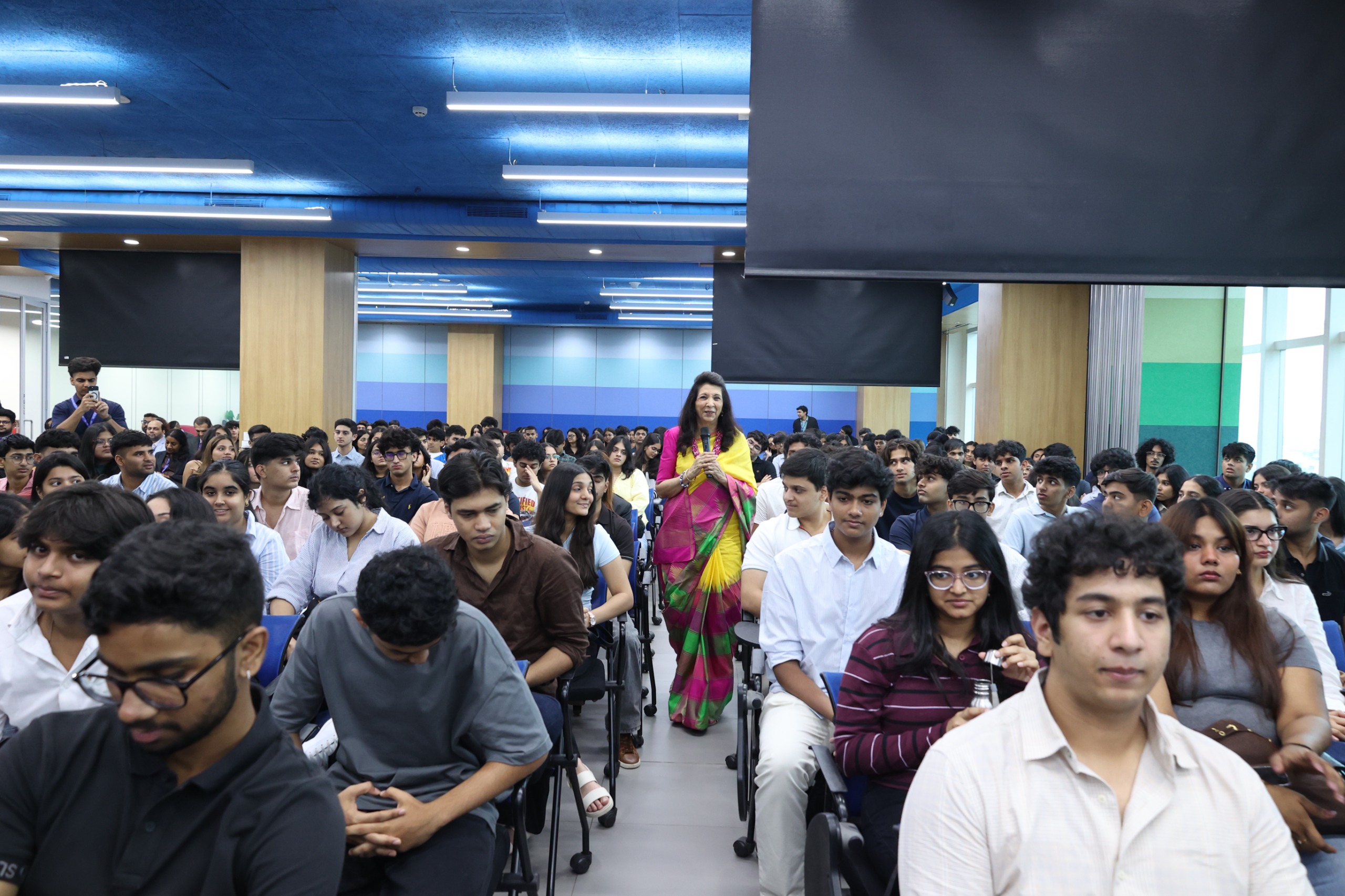
What made The Edit (Mumbai) truly impactful was its alignment with ISDI’s philosophy of industry-integrated learning. Students didn’t just hear from experts—they engaged, questioned, and absorbed insights that go far beyond textbooks.
Located in the heart of Mumbai, ISDI offers unmatched access to the industry, making such interactions a continuous part of the learning journey. Events like The Edit extend the classroom into real-world conversations, preparing students to step confidently into the future.
A Glimpse Into the Future
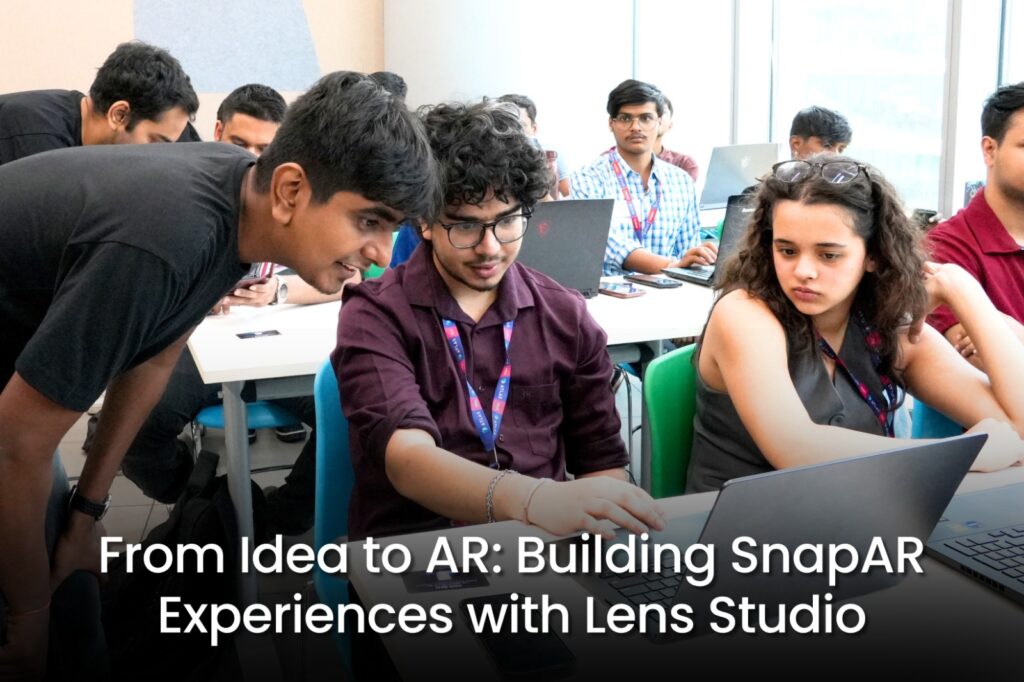
Perhaps the most defining aspect of The Edit (Mumbai) was the energy it created—a space filled with curiosity, exchange, and possibility. Students were not just passive listeners, but active participants—engaging, questioning, and absorbing insights that will shape their journeys ahead.
For the design community, it was a reminder of the power of collaboration and conversation. For students, it was a glimpse into the future they are about to enter. And for ISDI, it was yet another step in building a learning ecosystem that is dynamic, relevant, and future-focused.
Beyond an Event
The Edit (Mumbai) was about new ideas, new perspectives and new ambitions. As design continues to evolve at the intersection of creativity and technology, platforms like The Edit become essential. They don’t just inform, they inspire. They don’t just showcase, they connect. And most importantly, they ensure that the next generation of designers is ready to shape the future.