Fashion is often associated with the finished product: the silhouette, the fabric, the craftsmanship and the designer’s vision. But behind every garment is a complex system of decisions involving material science, production techniques, consumer insights, digital tools and supply chain management. As technology begins to influence each of these areas, the definition of a fashion career is expanding.
Today, the industry needs professionals who can think beyond aesthetics and understand how fashion works as both a creative discipline and a technology-driven business. From using 3D software to test garment fit before production to applying data analytics to predict demand, technology is changing not just how fashion is created, but also how the industry responds to consumer needs, resource constraints and changing market expectations.
This evolution presents an interesting opportunity for students considering a bachelor in fashion technology. Rather than preparing exclusively for traditional design roles, the right educational foundation can open pathways into digital product development, textile innovation, apparel manufacturing, sustainable fashion and retail technology. The possibilities, however, depend on the programme’s curriculum, the technical skills students develop and their willingness to explore disciplines beyond fashion itself.
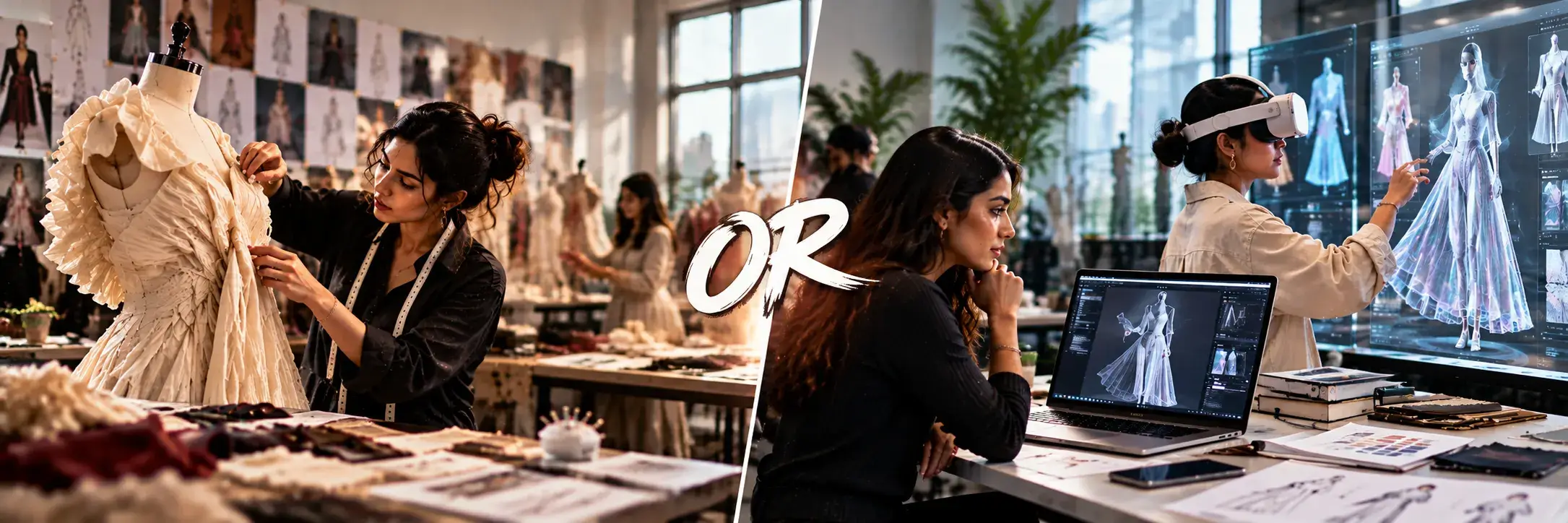
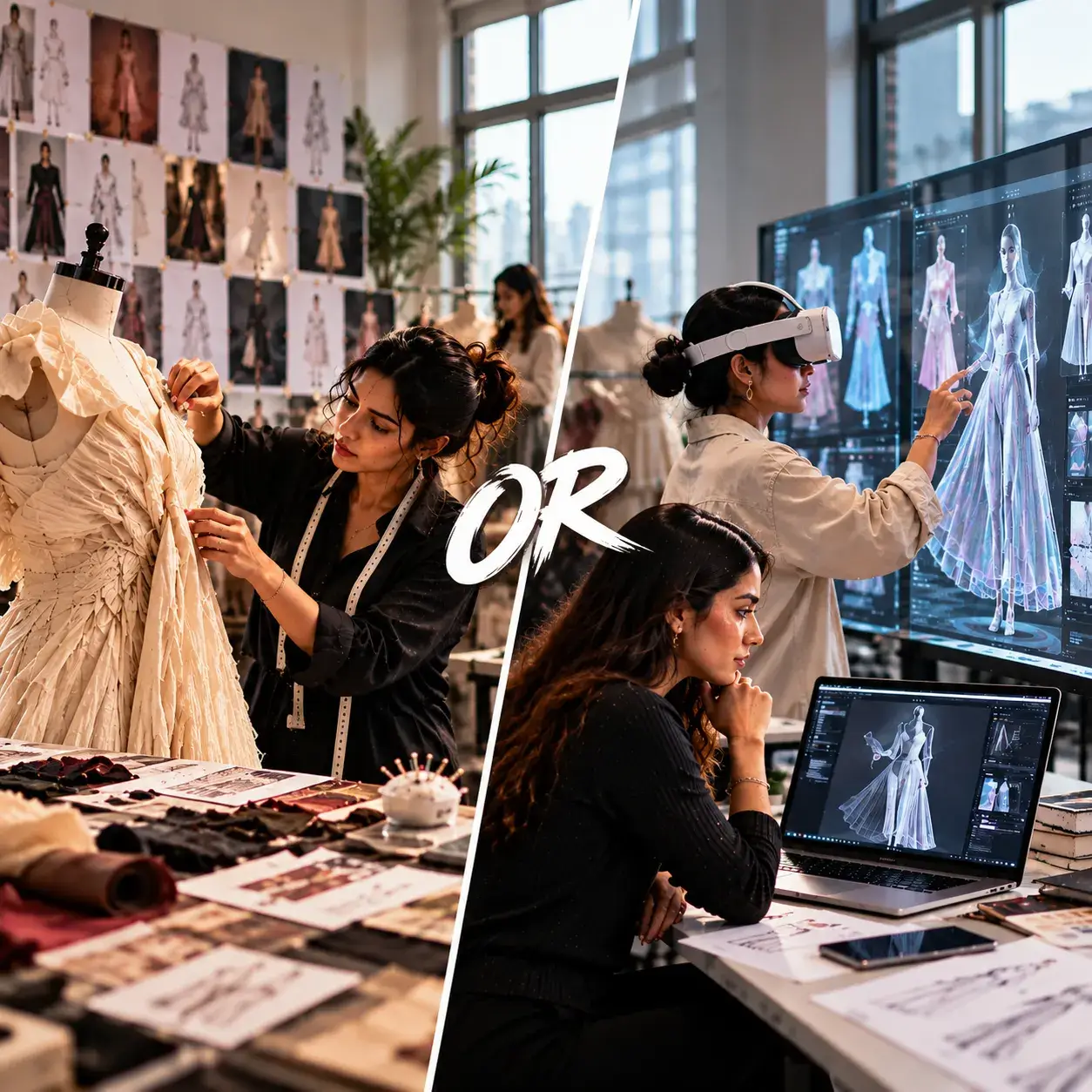
For those comparing a fashion designing degree with a technology-focused programme, the distinction lies in the problems they want to solve. Do they want to shape the visual identity of a collection, improve how garments are developed and manufactured, or use emerging technologies to rethink the fashion experience altogether?
Understanding these possibilities is the first step towards identifying a career path that aligns creative interests with the evolving needs of the fashion industry.
Fashion-tech careers extend beyond designing garments. Technology is influencing how clothes are developed, how materials are tested, how brands forecast demand and how consumers shop. For students pursuing a bachelor in fashion technology, these developments open up opportunities across design, manufacturing, digital innovation and business. Four broad career areas stand out.
3D garment visualisation, virtual prototyping and digital pattern-making are changing how fashion products move from concept to production. Professionals in this field create digital samples, assess garment fit and collaborate with design and manufacturing teams to improve product development. Students need a foundation in garment construction, fabric behaviour and digital design tools. A fashion designing degree combined with relevant digital skills can also provide a pathway into this area.
Fashion products must meet practical requirements around fit, durability, quality and manufacturing feasibility. Technical designers, apparel product developers and textile specialists help address these challenges, from preparing garment specifications to evaluating innovative materials and improving production processes. A bachelor of fashion technology course with exposure to textiles, pattern-making and apparel manufacturing can be relevant preparation. Roles involving advanced materials research may require additional technical qualifications.
Fashion businesses increasingly use data to understand customer preferences, forecast demand and manage inventory. At the same time, digital retail technologies are reshaping online shopping, while sustainability initiatives are encouraging more efficient material use and responsible production. Graduates can explore careers in fashion analytics, e-commerce, supply chain optimisation and sustainable product development. These roles benefit from a combination of fashion knowledge, analytical thinking and an understanding of business operations.
Technology also creates opportunities to develop solutions for problems across the fashion value chain. Professionals may work on digital fitting platforms, apparel management software, inventory systems or technology-led fashion businesses. Product management involves translating user needs into practical solutions, while entrepreneurship requires identifying market opportunities and building viable business models. Students can begin developing these capabilities through interdisciplinary projects, internships and prototypes that demonstrate their ability to solve real industry problems.
Ultimately, the right career path depends on whether a student is drawn to creative experimentation, technical problem-solving, data-driven decisions or business innovation. A bachelor in fashion technology can provide a starting point, but practical experience, specialised skills and an adaptable approach to learning are what help graduates translate their education into meaningful career opportunities.
A bachelor in fashion technology can provide a foundation in fashion, textiles and apparel production, but succeeding in a technology-driven industry requires a combination of technical knowledge, digital proficiency and practical problem-solving. As fashion businesses adopt new tools and workflows, students need to understand how creative ideas translate into functional products while remaining adaptable to changing industry requirements. The following skills can help graduates prepare for diverse career opportunities:
Students pursuing a bachelor of fashion technology course can strengthen these capabilities through internships, interdisciplinary projects and a portfolio that demonstrates practical application. Ultimately, combining specialised knowledge with digital fluency and critical thinking can help graduates build careers across fashion design, product development, manufacturing, retail technology and innovation.
Also Read: Fashion Designer Salary in India: What to Expect in 2026
Choosing a fashion degree is not just about deciding whether you want to become a designer or a technologist. It is about understanding how you want to contribute to the fashion industry and what kind of expertise your preferred career will demand. While some programmes focus on creative expression and garment design, others place greater emphasis on textiles, manufacturing, technical processes or the integration of technology into fashion. Since programme titles can vary across institutions, students should look beyond the name of a qualification and examine what they will actually learn.
A bachelor in fashion technology generally focuses on the technical and operational aspects of fashion, which may include textiles, apparel production, garment construction and manufacturing processes. A bachelor of fashion design, by comparison, typically places greater emphasis on design development, creative research, illustration, materials and collection creation. However, the distinction is not absolute. Design programmes may incorporate digital tools, while technology programmes may include substantial design work. Students should compare the curriculum and practical outcomes to understand which approach best matches their interests.
A B.Tech Fashion Technology programme may offer a stronger engineering or manufacturing orientation, depending on its structure. Students may encounter production systems, quality control, process optimisation and technical applications alongside fashion fundamentals. Design-led programmes generally prioritise creative development and visual communication, although their technical components can vary considerably. Rather than assuming that one qualification is more advanced than another, students should assess the depth of technical training, laboratory exposure and relevance of the coursework to their intended career.
Programmes such as BA Fashion Design and Technology or BA Fashion Technology may combine creative practice with digital tools, technical subjects or applied learning. However, their scope can differ significantly between institutions. One programme might emphasise digital design and product development, while another may focus more on fashion communication or creative practice. Students should examine the actual subjects, software exposure and project work instead of relying on the programme title alone. This is particularly important when evaluating how well a qualification prepares them for specific fashion-tech roles.
The quality and relevance of a programme depend on more than its syllabus. Students should look for opportunities to apply what they learn through practical assignments, industry collaborations and internships. Key factors to evaluate include:
The right programme is ultimately the one that helps you develop the capabilities required for the work you want to pursue. If you are interested in collection development and creative expression, a design-led qualification may be a natural fit. If you prefer apparel manufacturing, textile performance or technical product development, a programme with stronger technical foundations may be more relevant. Students drawn to digital fashion, retail innovation or fashion-tech entrepreneurship should look for opportunities to combine fashion knowledge with technology and business skills.
Before making a decision, explore the entry-level roles associated with your interests and identify the skills employers expect. This can help you assess whether a programme provides the right foundation or whether you will need additional training. A degree establishes your starting point; practical experience, specialised learning and the ability to adapt help shape the career that follows.
Also Read: Fashion Design Schools in India: How to Choose the Right School
Building a career in fashion-tech requires students to move beyond theoretical knowledge and understand how their skills translate into real industry applications. While a bachelor in fashion technology can establish a foundation in fashion, textiles and technical processes, practical experience helps students develop the confidence to apply that knowledge in professional settings.
Working on real-world projects, creating digital prototypes and developing a portfolio can demonstrate how they approach challenges, evaluate solutions and translate ideas into workable outcomes. Internships and interdisciplinary collaborations offer further exposure to industry expectations, allowing students to understand how designers, technologists, manufacturers and business teams work together. Equally important is learning to evaluate emerging technologies critically rather than adopting them simply because they are new.
Artificial intelligence, 3D design and digital manufacturing can improve specific workflows, but their value depends on how effectively they address problems related to product quality, efficiency, cost or customer experience. Students should therefore focus on developing expertise in an area that interests them while remaining open to adjacent career paths as the industry evolves. A professional who begins in digital product development, for instance, may later explore fashion innovation or product management after gaining relevant experience.
Ultimately, long-term career readiness comes from combining specialised knowledge with curiosity, adaptability and practical problem-solving. As fashion continues to intersect with technology and business, professionals who can connect creative thinking with technical understanding will be better equipped to contribute to the industry's changing needs.
The future of fashion will be shaped not only by the designs people wear, but also by the technologies, materials and processes that bring those designs to life. From digital product development and textile innovation to sustainable manufacturing and data-driven retail, fashion-tech is expanding the range of opportunities available to aspiring professionals. A bachelor in fashion technology at ATLAS ISDI can provide a foundation for exploring these possibilities, but building a meaningful career requires more than earning a degree. Students must identify their interests, develop relevant technical and creative skills, gain practical experience and remain open to new ways of working.
For those considering a career in this evolving field, the most important step is to look beyond conventional job titles and understand the challenges they want to solve. Whether that means making garment production more efficient, developing innovative materials or creating better digital shopping experiences, the opportunities lie in connecting different disciplines. As the boundaries between fashion, technology and business continue to evolve, professionals who combine creative thinking with technical understanding and a willingness to learn will be well-positioned to shape what comes next.
Fashion-tech careers combine fashion knowledge with technology to improve design, product development, manufacturing, retail and supply chain operations. While traditional fashion design roles primarily focus on creating garments and developing collections, fashion-tech roles may involve 3D garment visualisation, textile innovation, digital product development, fashion analytics or sustainable manufacturing.
A B.Des Fashion Design & Technology programme may introduce students to digital design, computer-aided design (CAD), 3D visualisation, digital prototyping and technology-enabled product development. The specific skills depend on the university's curriculum. Students should review the course structure to understand the software, technical subjects and practical projects included in the programme.
Many fashion-tech programmes are incorporating digital design and emerging technologies into their learning experiences. Depending on the curriculum, students may explore 3D garment visualisation, virtual prototyping, AI-assisted design and digital product development. However, exposure to specific tools varies by institution, so students should check the programme syllabus for details.
Fashion-tech graduates can explore opportunities with apparel manufacturers, fashion brands, textile companies, e-commerce businesses, retail technology firms and product development organisations. Potential employers include Aditya Birla Fashion and Retail, Arvind Limited, Reliance Retail, Myntra and various textile and apparel manufacturing companies. The roles available depend on the candidate's skills, specialisation and experience.
Fashion technology has opportunities across digital product development, apparel manufacturing, textile innovation, e-commerce, supply chain management and sustainable fashion. As businesses explore automation, digital sampling, data analytics and AI-assisted workflows, professionals who combine fashion fundamentals with technical and analytical skills may find opportunities across different industry segments. Career prospects will depend on market demand, practical experience and the depth of specialised expertise.
A bachelor's in fashion technology is an undergraduate programme that combines fashion fundamentals with technical knowledge of textiles, garment construction, apparel production and related technologies. Depending on the curriculum, it may also cover digital design, manufacturing processes, quality control and product development. The degree can prepare students for careers in technical design, apparel production, textile innovation and other fashion-related fields, depending on their specialisation and practical training.