




































Duration
4-Year Hons.
(Option to get degree after year 3)
Eligibility Criteria
50% in Class XII
(Any Stream) or equivalent IB / A-Levels
Next Intake
July 2026
Session begins from 15th July 2026
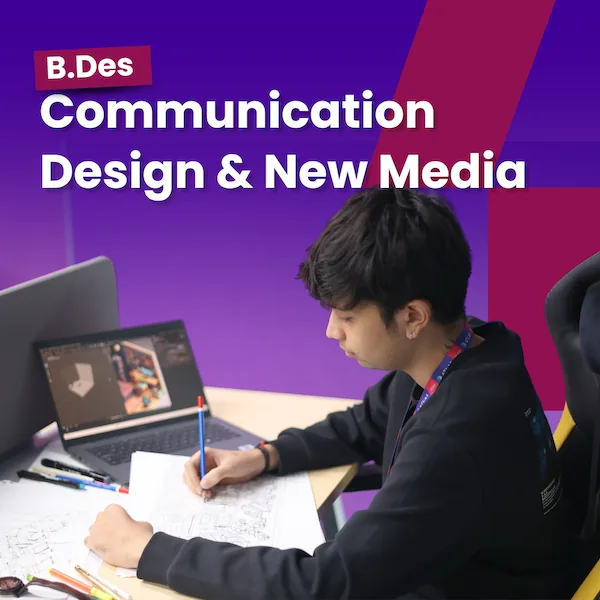
This program prepares students to thrive in a digital-first world, blending creativity, technology, and user-centered design. Students explore digital media, motion design, UI/UX, game experiences, virtual worlds, and AI-driven creative strategies. Hands-on projects, industry collaborations, and immersive studios build skills in storytelling, interaction design, and emerging media technologies.
Graduates are equipped for careers as creative technologists, digital content designers, game and virtual world creators, UX and AI experience designers, and immersive media artists, emerging as future-ready innovators who shape brands, experiences, and digital culture globally.
Our Globally Benchmarked Curriculum
Semester 1
Laying the foundation for creative thinking and design. Students explore core principles, visual language, and problem-solving skills that prepare them for future learning.
Design Research 1
Use design thinking and visual methods to explore, research, observe patterns, reflect on insights, and craft compelling stories that communicate ideas, inspire action, and create meaningful impact.
Design Studio 1
Design Studio 1 introduces creative exploration through design thinking, observation, research, and storytelling. Students develop problem-solving, visual communication, and reflective practice skills to address real-world challenges.
Drawing Fundamentals 1
Drawing Fundamentals 1 builds core visual skills through observation, sketching, composition, form and technical drawing. Students explore line, shape, proportion, and perspective to strengthen creative expression and design communication.
Imaging 1
Imaging 1 introduces digital and analog imaging techniques, exploring composition, light, and narrative. Students learn visual storytelling, image editing, and creative expression for design and communication.
Space and Materiality
Space and Materiality explores relationships between form, material, and environment. Students experiment with textures, structures, and spatial design to understand sensory impact, function, and creative possibilities.
History in Context to Objects
History in Context to Objects examines cultural, social, and historical influences on objects. Students analyze artifacts to understand design evolution, material significance, and contextual storytelling.
Skill-Up Elective
Skill-Up Elective offers specialized learning opportunities beyond the core curriculum, enabling students to explore emerging tools, creative practices, and interdisciplinary skills that enhance professional growth.
ATLAS Elective
Semester 2
Building confidence in experimentation and observation, students engage in hands-on projects that develop analytical thinking and creativity. The semester deepens design practice, emphasizing research, advanced techniques, sustainability, and user experience, fostering innovation, collaboration, and readiness for real-world challenges.
Design Research 2
Design Research 2 advances research skills, emphasizing observation, data analysis, and user insights. Students apply research backed by design thinking to identify problems, generate solutions, and inform creative strategies.
Design Studio 2
Design Studio 2 builds on creative practice, guiding students to apply research, experimentation, and design thinking in real-world projects, developing problem-solving, collaboration, and visual storytelling skills.
Drawing Fundamentals 2
Drawing Fundamentals 2 deepens observational and visual storytelling skills. Students refine visual communication and expressive techniques for creative design solutions.
Imaging 2
Imaging 2 advances digital and analog imaging techniques, focusing on composition, storytelling, and post-processing. Students create visually compelling narratives and enhance design communication through images.
Sustainable System
Sustainable System explores eco-friendly design principles, material choices, and systemic thinking. Students analyze environmental impact, interdependence of various systems using, and integrate responsible practices into design processes.
Time
Time examines its role as a design element, influencing memory, narrative, information flow, and user experience. Students explore temporal dynamics to create meaningful, engaging designs.
Skill-Up Elective
Skill-Up Elective offers specialized learning opportunities beyond the core curriculum, enabling students to explore emerging tools, creative practices, and interdisciplinary skills that enhance professional growth.
ATLAS Elective
Why our Year 1 outpaces every
other design school?
ISDI School of Design
Multidisciplinary Exposure
Offers a Major–Minor Pathway where students combine core specialization with a secondary focus called a minor.
Integrated Design Thinking
Combines design thinking, observation, and research fostering strategic and creative problem-solving.
Holistic, Future-Ready Learning
Includes forward-looking courses like Sustainable System and Time, focusing on environmental impact.
Other Design Schools
Holistic, Future-Ready Learning
Other design schools follow single-track, restricting students to one specialisation throughout the program.
Theory–Practice Gap
Often separates theory and practice, introducing research much later as an
after-thought.
after-thought.
Aesthetic-Centric Focus
Primarily emphasizes form and aesthetics, with limited focus on sustainability or systems thinking.
Semester 3
Explore digital media, interaction design, and creative technologies. Students begin applying storytelling and visual strategies using AI and emerging tools in small projects.
History of Communication Design
Explores the evolution of communication design by studying movements, ideologies, and cultural contexts, shaping visual culture, critical perspectives, and reflective thinking that influences contemporary design practices.
Fundamentals of Digital Prototyping
Introduces principles of user experience design through website creation, interface prototyping, and interaction testing, enabling learners to build engaging, functional, and meaningful digital experiences aligned with user needs.
Fundamentals of Visual Narratives
Develops storytelling abilities by combining visuals, typography, and cultural metaphors, teaching students to craft compelling, cross-cultural design narratives that communicate ideas powerfully and resonate with diverse audiences.
Research Methodology 1
Covers essential research techniques including qualitative, quantitative, and ethnographic methods, enabling students to conduct inquiry, gather insights, and apply human-centered approaches in communication design projects effectively.
Introduction to Typography
Builds strong foundations in typography, letterform design, and type hierarchy, while introducing coding and interaction design for communication, equipping students with practical and conceptual visual communication skills.
Art of Building Quirky Tales
Encourages experimentation with unconventional storytelling, using humor, bold perspectives, and playful design approaches to develop unique voices that challenge norms and expand creative boundaries in design.
Concepts and Sketches - Conceptual Visualization
Trains students in conceptual sketching to visualize ideas, explore symbolism, and create identity-driven logos and graphic marks that communicate values and brand personality effectively.
Semester 4
Translate concepts into engaging digital experiences. Projects strengthen design thinking, technical skills, and tech-enabled problem-solving.
Fundamentals of Interaction Design
Introduces principles of interaction design, teaching students to craft engaging, intuitive, and user-centered digital experiences by blending usability, feedback, and emotional resonance in product and service contexts.
Fundamentals of Immersive Media
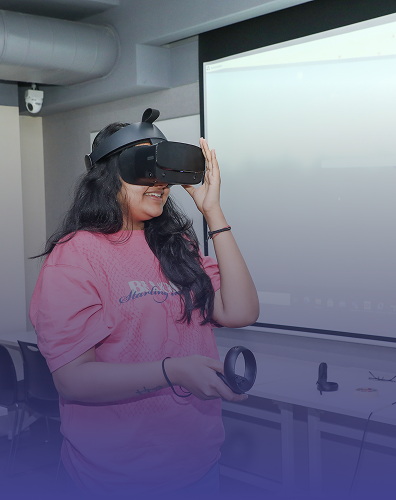
Explores immersive technologies by developing interactive experiences using 3D assets within AR/VR environments, fostering innovation, experimentation, and critical understanding of digital immersion in storytelling and communication.
Advanced Typography
Deepens mastery of typography by studying historical evolution, color theory, and experimental approaches, enabling students to craft expressive, culturally relevant, and impactful typographic communication across mediums.
Indian Context of Communication Design
Investigates India’s diverse visual culture, traditions, and ideologies, enabling students to understand how cultural narratives shape communication design practices in both historical and contemporary contexts.
Semiotics in Communication
Examines meaning-making in visual culture using semiotic frameworks and critical inquiry, with emphasis on interpreting symbols, signs, and cultural codes within Indian communication design contexts.
Minor Track
The minor track you choose will continue across all the remaining years of your program.
Why our Year 2 outpaces every
other design
school?
other design
school?
ISDI School of Design
Narrative-Driven Learning
This year’s curriculum nurtures creative storytelling and visual communication that connects culture, emotion, and message.
Thinking through Making
Subjects strengthen ideation, visualization, and identity design from concept to execution.
Design with Insight
Subjects help students link user understanding with hands-on interface creation and testing.
Other Design Schools
Limited Creative Integration
Often focuses on static design principles, with minimal emphasis on storytelling or cultural narrative development.
Technique over Thought
Prioritizes software proficiency over conceptual thinking and creative strategy.
Sequential, Not Synergistic
Research and digital skills are usually taught in isolation, delaying practical application
Semester 5
Integrate design, storytelling, UX, and emerging technologies in larger projects. Develop innovation, iterative thinking, and collaboration skills.
Digital & Print Publication Design
Develops editorial storytelling skills across print and digital platforms, emphasizing layout, typography, imagery, and design strategies to create compelling, impactful, and visually cohesive communication experiences.
Design Research & Ethnographic Study
Builds strong research foundations through ethnographic methods, exploring culture, equity, and social contexts to inform design practices that are empathetic, inclusive, and contextually meaningful.
Branding Studio
Explores branding as a strategic, narrative-driven practice through media projects, using semiotics, visual identity, and design thinking to create innovative, culturally relevant brand experiences.
Minor Track
The minor track you choose will continue across all the remaining years of your program.
Program Elective
Semester 6
Push creative boundaries with AI-assisted design, immersive media, and interactive projects. Focus on advanced experimentation and future-ready digital skills.

Advanced Interaction Design
Explores advanced methods to design engaging digital experiences across platforms, systems, and interactive exhibits, integrating usability, storytelling, and technology to create immersive, user-centered communication solutions.
Sustainable Packaging Design
Develops innovative, eco-friendly packaging solutions that balance sustainability, functionality, and cost-efficiency, emphasizing material exploration, circular design principles, and real-world application for responsible communication and branding.
Consumer Behaviour, Technology and AI
Examines consumer behavior theories and their relationship with technology, introducing game design principles through research, analysis, and hands-on prototyping to create meaningful, user-centered interactive experiences.
Minor Track
The minor track you choose will continue across all the remaining years of your program.
Program Elective
Why our Year 3 outpaces every
other design
school?
other design
school?
ISDI School of Design
Cross-Platform Storytelling
Courses encourage narrative expression across print, digital, and interactive media.
Technology as Design Partner
Courses fuse coding, AR/VR, and data into the creative process.
Experiential Thinking
Courses emphasize creating sensory, spatial, and brand-based experiences that engage audiences emotionally.
Other Design Schools
Medium-Specific Focus
Learning is often confined to one format — print, digital, or motion — limiting experimentation across platforms.
Technology as a Tool
Digital tools are taught for execution, not as part of design thinking or concept development.
Static Presentation Focus
Projects are rarely documented or presented publicly, reducing real-world presentation experience.
Semester 7
Engage in live projects, internships, and industry collaborations. Refine professional skills, portfolio, and digital leadership capabilities.
Digital Dynamics
Explores motion design as a tool to enhance brand identity, teaching animation, visual storytelling, and practical projects that strengthen communication impact across diverse digital platforms.
Professional Practices and Ethics
Builds Industry etiquettes essential professional skills, including financial literacy, project management, and communication, while emphasizing ethical frameworks and responsible practices necessary for sustaining a successful design career.
Brand Strategies
Develops comprehensive brand strategy skills by applying segmentation, positioning, pricing, and legal considerations through practical case studies, enabling students to craft effective, competitive, and sustainable branding.
Creative Startup
Designed to equip students with essential business acumen and entrepreneurial skills, preparing them for the dynamic world of business and leadership. This course covers a wide array of topics, ranging from business finance, personal finance, and the banking system, to advanced subjects such as neuro-marketing and behavioural economics
Minor Track
The minor track you choose will continue across all the remaining years of your program.
Semester 8
Semester 8 culminates the capstone experience, guiding students through research, design execution, documentation, presentation, and public exhibition, delivering polished, user-centered, and professionally mentored creative outcomes.
Research Process
Initiates the capstone journey by conducting in-depth research, leveraging mentorship, and applying critical inquiry through live or self-directed design projects to inform innovative and meaningful solutions.
Design Process & Execution
Guides students to execute design solutions systematically using structured mentorship, design thinking frameworks, prototyping, and iterative refinement, ensuring creative ideas are realized effectively and professionally.
Documentation
Teaches digital documentation techniques to capture and communicate the entire design process, producing professional-quality records suitable for print, portfolio inclusion, and project presentations.
Presentation
Develops professional, ethical, and persuasive presentation skills through practical exercises and real-world case studies, emphasizing clarity, storytelling, and audience engagement in design communication.
Final Outcome
Supports final project delivery across diverse formats such as apps, films, websites, or installations, with mentor guidance to ensure high-quality, polished, and user-centered results.
Exhibition
Prepares students to publicly showcase their capstone projects in a mentored exhibition, emphasizing curation, audience engagement, professional presentation, and critical feedback for comprehensive learning outcomes.
Why our Year 4 outpaces every
other design
school?
other design
school?
ISDI School of Design
Integrated Professional Skills
Courses teach financial literacy, ethics, management, and entrepreneurship within the curriculum.
Research-Driven Capstone
Courses conduct in-depth research and iterative design to produce user-centered solutions.
Polished Public Presentation
Documentation, Presentation, and Exhibition teach students to professionally showcase work, and communicate their process
Other Design Schools
Skills in Isolation
Professional or business skills are usually taught separately, not embedded in design learning.
Output-Centric Projects
Capstones often focus on final deliverables without structured research or iterative mentorship.
Limited Exposure
Projects are rarely documented or presented publicly, reducing real-world presentation experience.
02
Creative Aptitude Test
03
Portfolio Review + Interview
04
Final Selection & Offer Letter
Eligibility
Indian Boards (ISC / CBSE / State Boards)
- Minimum 60% overall in Class XII
A-Levels (UK)
- Minimum grades A, B, or C in any 2 subjects
- Total of 3 subjects required
International Baccalaureate (IB)
A minimum of 24 points, including:
- 3 Higher Level (HL) subjects
- 3 Standard Level (SL) subjects
Application Fee: ₹3,500
After selection, the enrolment fee of ₹75,000 to secure your seat is refundable!
Why Communication Design: Digital Media
& Creative Technology at ISDI x Parsons
Design for Real Life,
Not Just Portfolios
Not Just Portfolios
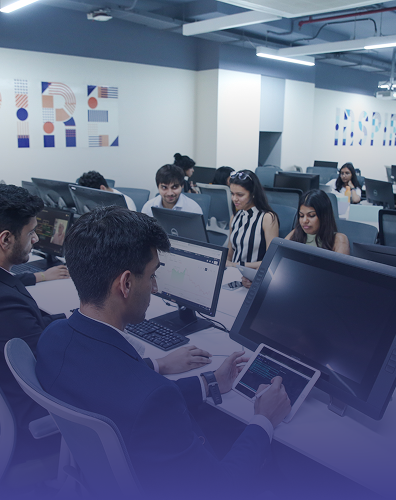
Our classrooms are live labs. You’ll ideate, iterate, fail, restart, and refine in spaces designed for doing, not just thinking.
Design With A
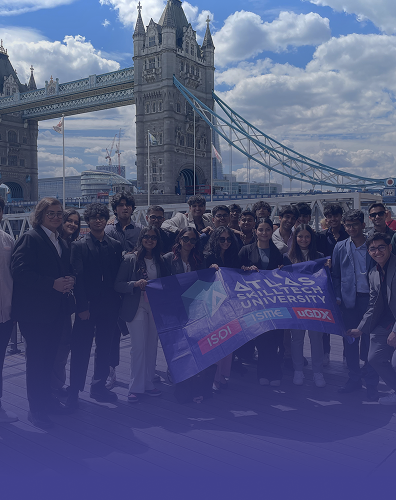
Global Perspective
Global Perspective
Curriculum shaped by Parsons,
New York reimagined for today’s
Indian context.
New York reimagined for today’s
Indian context.
Your Mentors Are
Also Makers
Also Makers
Learn from practicing designers, strategists, and studio founders,
the people who design the world
you interact with.
the people who design the world
you interact with.
Everything is a
Studio Experience
Studio Experience
Our classrooms are live labs. You’ll ideate, iterate, fail, restart, and refine in spaces designed for doing, not just thinking.
The Future is Cross-
Disciplinary
Disciplinary
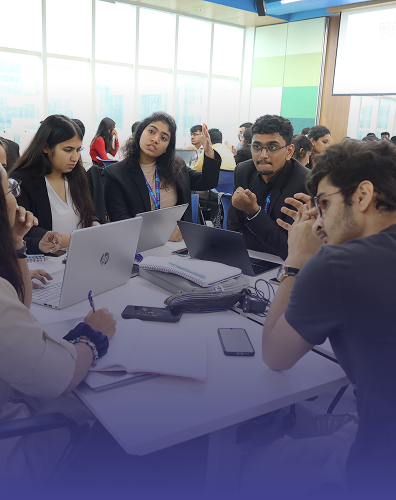
Work alongside fashion designers, product innovators, entrepreneurs, coders, and media artists, because good ideas don’t exist in silos.
Where concepts meet execution, in and beyond the classroom.
At ISDI, every project becomes part of a career-ready portfolio. From hands-on labs and design sprints to brand collaborations, internships, hackathons, and industry showcases, you graduate with real-world experience and work that speaks for itself.
Student Projects in Motion
Where creativity meets momentum
Vani Jain
Amey Bardapurkar
Atharva Jadhav
Arshia Anil
Surbhi Nagari
Manya Kamath
Jay Pimpalkhare
Ameya Kulkarni
Trisha Bachkaniwala
Jinal Dharamshi
Rehaan Goregaokar
Shreya Jangid
Sailee Sanaye
Amartya Garikapati
Tisya Jain
Tanishka Shah
Student Voices: Real Voices from the Program
Hear from our students
Questions? We can read your mind
Is ISDI School Of Design & Innovation related to PARSONS New York?
What is ISDI School Of Design & Innovation best known for?
What are the admission criteria for ISDI School Of Design & Innovation?
What is Parsons?
Where is the ISDI School Of Design & Innovation Campus located?
Will I Get a PARSONS Certificate?
Do you teach AI?
How experienced is your faculty?
How can I know my eligibility for the ISDI School Of Design & Innovation scholarship?
What is the Admission Process for ISDI School Of Design & Innovation?
Does ISDI School Of Design & Innovation provide student housing?
What programs are offered by ISDI School Of Design & Innovation?
Why Should I Choose ISDI School Of Design & Innovation for Design?
What kind of industry exposure can I expect at ISDI School Of Design & Innovation?
What is the Master’s Progression Program offered by ISDI School Of Design & Innovation in collaboration with Parsons?
View More
More questions?
Let our AI Assistant answer your queries