



















































Interior Design: Spatial Design & Built Environments
Creating future-ready designers of spaces and environments.
Interior Design: Spatial Design & Built Environments
Creating future-ready designers of spaces and environments.
Interior Design: Spatial Design & Built Environments
Creating future-ready designers of spaces and environments.
Duration
4-Year Hons.
(Option to get degree after year 3)
Eligibility Criteria
50% in Class XII
(Any Stream) or equivalent IB / A-Levels
Next Intake
July 2026
Session begins from 15th July 2026
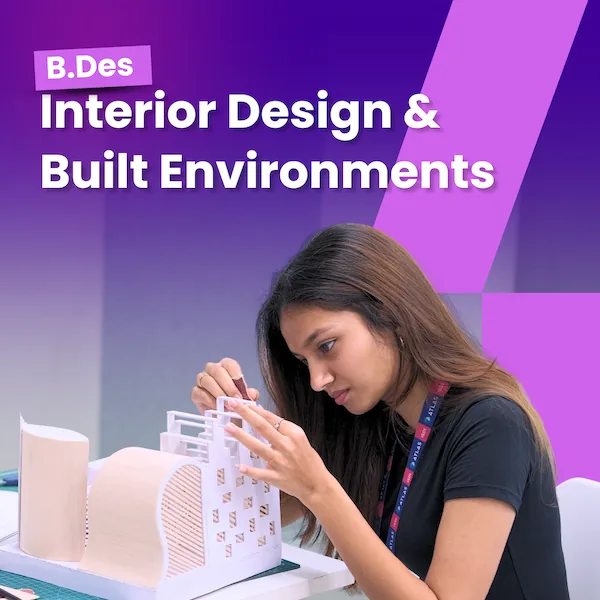
This program empowers students to create impactful, functional, and aesthetically compelling spaces using a blend of design thinking, technology, and sustainability. Students explore spatial design, materiality, user experience, service design, and emerging tools, including AI and data-driven design strategies. Hands-on projects, industry collaborations, and live experiences cultivate skills in innovation, brand alignment, and real-world problem-solving. Graduates are prepared for careers as service and experience designers, design strategists, business consultants, AI-enabled design analysts, and sustainable design specialists, emerging as future-ready leaders shaping built environments globally.
Residential
Design
Greenscapes
Future of Workspaces
Hospitality
Design
Experience
Center
Innovation
Labs
Retail
Design
Museum
Design
Virtual Environments
Design For Communities
Craft
Design
Interior
Styling
Service & Experience Designer
Sustainable Design & Innovation Consultant
Design Strategy & Innovation Analyst
Innovation & Business Consultant
Business & Brand Marketing Strategist
Design Research & Insights Specialist
Brand & Experience Strategist
AI & Data-Driven Strategist
Divya Vijaychandran
Manasee Kakkad
Sanjay
Venigalla
Amrita Ravimohan
Malvika Mahidhar
Kushal
Jadhav
Elizabeth Jerome
Rupal
Shah
Aishwarya
Raje
Kunica
Khosla
Nikhil
Sahani
Divya Chandrashekhar
Mohit
Bhardwaj
Mon Pal
Amruta
Sawant
Harsh
Mohanty
Ashish
Kumar
Sania
Sheikh
Vaibhav
Mohite
Sujeet
Kohok
Manjit Singh Rajput
Bhadar Rangani
Junior Designer
Geetika Sukhani
Interior Designer
Esha Shenoy
Inclusive Designer
Purvi Patni
Interior Designer
Smruti Patel
Materials Librarian
Alefiya Lakdawala
Interior Designer

Our Globally Benchmarked Curriculum

Semester 1

Laying the foundation for creative thinking and design. Students explore core principles, visual language, and problem-solving skills that prepare them for future learning.
Design Research 1
Use design thinking and visual methods to explore, research, observe patterns, reflect on insights, and craft compelling stories that communicate ideas, inspire action, and create meaningful impact.
Design Studio 1
Design Studio 1 introduces creative exploration through design thinking, observation, research, and storytelling. Students develop problem-solving, visual communication, and reflective practice skills to address real-world challenges.
Drawing Fundamentals 1
Drawing Fundamentals 1 builds core visual skills through observation, sketching, composition, form and technical drawing. Students explore line, shape, proportion, and perspective to strengthen creative expression and design communication.
Imaging 1
Imaging 1 introduces digital and analog imaging techniques, exploring composition, light, and narrative. Students learn visual storytelling, image editing, and creative expression for design and communication.
Space and Materiality
Space and Materiality explores relationships between form, material, and environment. Students experiment with textures, structures, and spatial design to understand sensory impact, function, and creative possibilities.
History in Context to Objects
History in Context to Objects examines cultural, social, and historical influences on objects. Students analyze artifacts to understand design evolution, material significance, and contextual storytelling.
Skill-Up Elective
Skill-Up Elective offers specialized learning opportunities beyond the core curriculum, enabling students to explore emerging tools, creative practices, and interdisciplinary skills that enhance professional growth.
ATLAS Elective

Semester 2

Building confidence in experimentation and observation, students engage in hands-on projects that develop analytical thinking and creativity. The semester deepens design practice, emphasizing research, advanced techniques, sustainability, and user experience, fostering innovation, collaboration, and readiness for real-world challenges.
Design Research 2
Design Research 2 advances research skills, emphasizing observation, data analysis, and user insights. Students apply research backed by design thinking to identify problems, generate solutions, and inform creative strategies.
Design Studio 2
Design Studio 2 builds on creative practice, guiding students to apply research, experimentation, and design thinking in real-world projects, developing problem-solving, collaboration, and visual storytelling skills.
Drawing Fundamentals 2
Drawing Fundamentals 2 deepens observational and visual storytelling skills. Students refine visual communication and expressive techniques for creative design solutions.

Imaging 2
Imaging 2 advances digital and analog imaging techniques, focusing on composition, storytelling, and post-processing. Students create visually compelling narratives and enhance design communication through images.
Sustainable System
Sustainable System explores eco-friendly design principles, material choices, and systemic thinking. Students analyze environmental impact, interdependence of various systems using, and integrate responsible practices into design processes.
Time
Time examines its role as a design element, influencing memory, narrative, information flow, and user experience. Students explore temporal dynamics to create meaningful, engaging designs.
Skill-Up Elective
Skill-Up Elective offers specialized learning opportunities beyond the core curriculum, enabling students to explore emerging tools, creative practices, and interdisciplinary skills that enhance professional growth.
ATLAS Elective
Why our Year 1 outpaces every
other design school?
ISDI School of Design
Multidisciplinary Exposure
Offers a Major–Minor Pathway where students combine core specialization with a secondary focus called a minor.
Integrated Design Thinking
Combines design thinking, observation, and research fostering strategic and creative problem-solving.
Holistic, Future-Ready Learning
Includes forward-looking courses like Sustainable System and Time, focusing on environmental impact.
Other Design Schools
Holistic, Future-Ready Learning
Other design schools follow single-track, restricting students to one specialisation throughout the program.
Theory–Practice Gap
Often separates theory and practice, introducing research much later as an
after-thought.
Aesthetic-Centric Focus
Primarily emphasizes form and aesthetics, with limited focus on sustainability or systems thinking.

Semester 3

Explore spatial design, materials, and user experiences. Begin creating meaningful and functional spaces using design thinking and emerging technologies.
Interior Design Studio 3
Develops students’ spatial design skills through hands-on projects that explore form, structure, and materials, fostering creativity and practical understanding of three-dimensional design principles.
History of Interior Design and Architecture
Studies global architectural history and explores cultural influences that have shaped the evolution of interior design, highlighting diverse styles, traditions, and historical contexts worldwide.
Representation and Analysis
Builds students’ drawing skills to analyze and accurately represent interior spaces, utilizing both traditional analog techniques and modern digital tools for comprehensive visual communication.
Design Visualization
Enhances students’ digital visualization skills to create detailed, precise interior design documentation and compelling presentations that effectively communicate design concepts and spatial ideas.
Minor Track
The minor track you choose will continue across all the remaining years of your program.

Semester 4

Translate ideas into tangible interiors. Projects strengthen technical skills, creativity, and incorporate digital tools for design visualization.
Interior Design Studio 4 - Creative Process
Applies core spatial design principles to create living spaces that are both functional and aesthetically pleasing, balancing practical needs with creative, harmonious interior environments.
Introduction to Interior and Architecture Theory
Develops students’ critical thinking by studying architectural and interior design theory and history, encouraging analysis of styles, contexts, and their impact on contemporary design practices.
Materiality and Assembly for Interiors
Explores materials and construction techniques through hands-on experimentation and creative reinterpretation, enabling students to understand practical applications and innovate within design processes.
Greenscapes in Built environments
Integrates green design principles and biophilic elements to create built environments that enhance occupant well-being, sustainability, and connection to nature through thoughtful, eco-friendly design strategies.
Minor Track
The minor track you choose will continue across all the remaining years of your program.
Why our Year 2 outpaces every
other design
school?
ISDI School of Design
Integrated Learning
Encourages cross-disciplinary work by blending design, materials, and visualization for real-world outcomes.
Sustainable Focus
Promotes eco-conscious, human-centered design practices aligned with global innovation needs.
Theory + Practice
Balances conceptual understanding with hands-on projects and industry exposure.
Other Design Schools
Isolated Learning
Teaches subjects separately, limiting exposure to collaborative and applied learning.
Limited Focus
Sustainability and social impact are often secondary or optional.
Theory Heavy
Prioritizes classroom learning with fewer practical applications.

Semester 5

Integrate materials, spatial strategy, aesthetics, and smart technologies in larger projects. Develop critical thinking and iterative problem-solving.
Interior Design Studio 5
Designs innovative future-ready co-living and co-working spaces that prioritize sustainability, address urban challenges, foster community interaction, and promote efficient, adaptable environments for modern lifestyles.
Energy and Ecology
Teaches ecological design by incorporating passive and active systems alongside climate-responsive strategies, enabling students to create sustainable buildings that adapt efficiently to environmental conditions.
Basics of 3D Modelling and Rendering
Builds students’ 3D modeling skills using Rhino and Keyshot software, enhancing their ability to visualize, refine, and integrate complex design concepts with realistic renderings.
Design Vocabulary
Builds students’ 3DRefines students’ design writing and research skills to produce clear, concise, and industry-specific communication that effectively conveys ideas, supports design decisions, and enhances professional credibility. modeling skills using Rhino and Keyshot software, enhancing their ability to visualize, refine, and integrate complex design concepts with realistic renderings.
Minor Track
The minor track you choose will continue across all the remaining years of your program.
Program Elective

Semester 6

Push creative boundaries with advanced design challenges. Focus on innovation, user-centered solutions, and future-ready digital skills.

Interior Design Studio 6
Designs commercial interiors that balance brand identity, user needs, and experiential elements, creating cohesive, functional, and engaging environments that enhance customer interaction and business goals.

Semiotics in Interior Design
Applies semiotic theory to design spaces that convey meaning by integrating symbols, signs, and user behavior, enhancing communication and emotional connection within the built environment.
Digital Rendering - 3Dmax
Builds advanced 3D modeling and rendering skills using 3ds Max software, enabling students to create highly detailed and realistic interior visualizations for professional presentations and design development.
Building Systems & Services
Integrates building systems and materials thoughtfully to develop functional, site-specific interior design solutions that respond to environmental conditions, structural requirements, and user needs for optimal performance.
Minor Track
The minor track you choose will continue across all the remaining years of your program.
Why our Year 3 outpaces every
other design
school?
ISDI School of Design
Sustainable, Future-Ready Design
Focuses on ecological and adaptable interiors that address urban and environmental challenges.

Advanced Digital Tools
Trains students in Rhino, Keyshot, and 3ds Max to create realistic, professional visualizations.

Integrated Systems Thinking
Combines design, materials, and building systems for functional, user-centered solutions.
Other Design Schools
Traditional Focus
Emphasizes conventional spaces with limited attention to sustainability or innovation.
Limited Tech Exposure
Offers only basic or outdated software training for visualization.
Fragmented Learning
Teaches design and technical systems separately, reducing practical application.

Semester 7

Engage with live projects and collaborations. Develop professional skills, client communication, tech-enabled presentations, and design leadership.
Interior Design Studio 7
Designs adaptive, research-driven spatial solutions aligned with SDGs and national goals, connecting real-world impact with classroom learning.
Advanced Research Seminar
Builds strong research and analytical skills to develop publishable studies and conference papers, leading to a comprehensive Capstone project that demonstrates critical thinking and effective problem-solving.
Professional Practice and Ethics
Blends industry-led learning and real-world simulations with essential business, communication, and ethical practices for professional success in design.
Interior Styling
Develops styling skills through industry and brand briefs, enabling students to craft cohesive, functional, and visually appealing spaces with thoughtful use of color, texture, furniture, and accessories.
Minor Track
The minor track you choose will continue across all the remaining years of your program.

Semester 8

Showcase mastery through a comprehensive interior design project. Demonstrate creativity, innovation, and readiness for a technology-driven professional world.
Interior Design Studio 8 - Capstone
Initiates the capstone journey by conducting in-depth research, leveraging mentorship, and applying critical inquiry through live or self-directed design projects to inform innovative and meaningful solutions.
Research and Writing (Capstone)
Builds strong research and writing skills to effectively document, analyze, and support Capstone design outcomes, ensuring clear communication of design intent and informed decision-making.
Advanced Professional Practice
Equips students with essential business acumen, technological proficiency, and strategic planning skills to excel in future-focused interior design practice, adapting to evolving industry demands and innovations.
Cross Disciplinary Design
Fosters innovation by encouraging cross-disciplinary collaboration, integrating diverse perspectives and expertise to creatively address complex design challenges with holistic, effective, and forward-thinking solutions.
Minor Track
The minor track you choose will continue across all the remaining years of your program.
Why our Year 4 outpaces every
other design
school?
ISDI School of Design
Research-Driven Innovation
Emphasizes research, SDGs, and real-world application through Capstone projects with measurable impact.
Industry and Professional Readiness
Integrates business, ethics, and advanced practice to prepare students for professional design leadership.
Cross-Disciplinary Collaboration
Encourages teamwork across disciplines to solve complex design challenges innovatively.
Other Design Schools
Project-Focused Only
Prioritizes design output without deep research or global relevance.
Academic-Centric
Limited exposure to real-world business or ethical frameworks.
Siloed Learning
Focuses narrowly within interior design, limiting broader creative collaboration.
01
Submit the Application Form
Apply for July 2026 Intake
02
Creative Aptitude Test
03
Portfolio Review + Interview
04
Final Selection & Offer Letter
Eligibility
Indian Boards (ISC / CBSE / State Boards)
  • Minimum 60% overall in Class XII
A-Levels (UK)
  • Minimum grades A, B, or C in any 2 subjects
  • Total of 3 subjects required
International Baccalaureate (IB)
A minimum of 24 points, including:
  • 3 Higher Level (HL) subjects
  • 3 Standard Level (SL) subjects
Why Interior Design: Spatial Design & Built Environments at ISDI x Parsons
Design That’s
Rooted in Reality
Work on real-world interiors, commercial projects, and client briefs.
Global DNA,
Local Insight
Parsons-influenced curriculum tailored to India’s architectural and cultural contexts.
The Studio is Just
the Beginning
Learn in workshops, fabrication labs, digital studios, and live sites.
Taught by Designers Who
Work, Not Just Teach
Faculty bring experience from architecture, hospitality, and interior design studios.
Build Your Portfolio
Before You Graduate
Graduate with projects and interiors that showcase your design vision and professional readiness.

Where concepts meet execution,
in and beyond the classroom.

At ISDI, every project becomes part of a career-ready portfolio. From hands-on labs and design sprints to brand collaborations, internships, hackathons, and industry showcases, you graduate with real-world experience and work that speaks for itself.
Paris - Maison & Object Design Week
Our Interior Design students gained invaluable exposure at the Maison & Objet Trade Fair, a global hub for interior design, lifestyle, and innovation. The event highlighted sustainability, craftsmanship, and emerging trends.
Hyderabad
Interior Design students explored Hyderabad’s rich blend of heritage and modern design, from Golconda Fort’s architecture to luxury interiors at The Regency and Poliform. Guided by experts, they experienced material innovation, narrative-driven styling at Supraja Rao Studio, and cultural insights.
FOAID
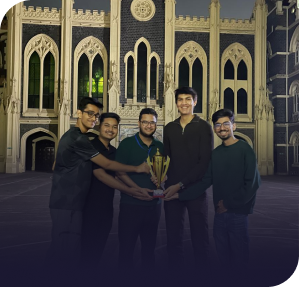
FOAID (Festival of Architecture and Interior Design) is one of India’s leading design platforms celebrating innovation and excellence. At the 2025 edition, our students emerged as Gold Winners, showcasing exceptional creativity, vision, and design excellence on a national stage.
IDAC - Internship
Interior Design students participated in the IDAC Internship Program, connecting with leading industry professionals through live projects and mentorship. The experience offered real-world design exposure, studio learning, and portfolio development bridging academics with professional practice and preparing them for future careers in design.
Maharshtra Nature Park
As part of experiential learning, Interior Design students visited Maharashtra Nature Park to explore the link between ecology, sustainability, and spatial design. The visit deepened their understanding of sustainable landscapes, urban ecology, and community-centered green spaces.
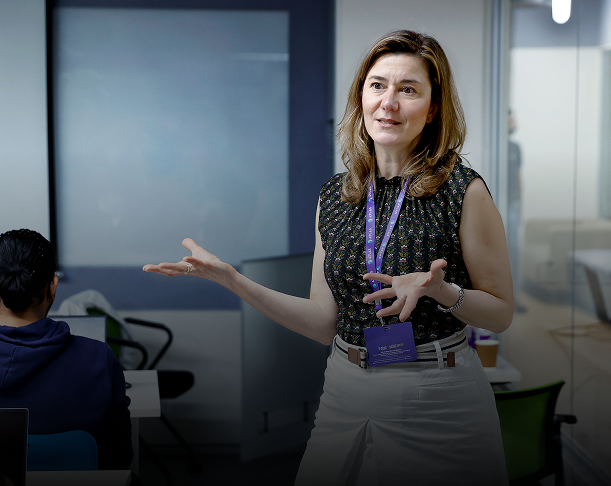
International Guest Speaker - Anna Barbara Milan
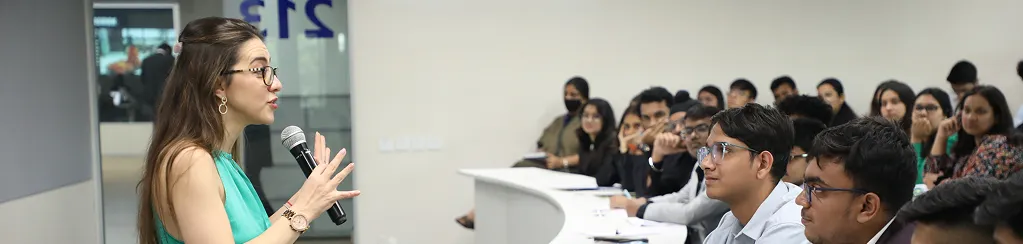
We had the privilege of hosting Professor Anna Barbara from Milan University for an engaging session with our Interior Design students. She shared insights on sensory design, global industry practices, and cross-cultural influences, inspiring students to think critically and prepare for the evolving world of design.
Quarry - Podcast
We had the privilege of hosting Professor Anna Barbara from Milan University for an engaging session with our Interior Design students. She shared insights on sensory design, global industry practices, and cross-cultural influences, inspiring students to think critically and prepare for the evolving world of design.
Zeba Visit
Interior Design students from the 2nd and 3rd year visited Zeba World, a design studio and furnishing store in Lower Parel known for its bespoke wallpapers, fabrics, and décor. The owner led a walkthrough showcasing their projects for hotels, while students observed a live wallpaper painting session, gaining insight into customized interior styling.
Space Deconstruction - Rapunzel Tower
Design Visualization Project I analyzed a chosen film, animation, or real-life scene to study how spatial elements contribute to the narrative, mood, and functionality.
Biomimicry Pavilion Design
This project applies biomimicry to design a pavilion inspired by an organism’s natural form and habitat. By translating its structural and ecological principles into architecture, the pavilion blends aesthetics, function, and sustainability creating a space that reflects nature’s harmony and resilience using eco-friendly materials.
Goju-NO-To
In this project, students modeled an architectural element the Hipped Roof, inspired by traditional Japanese pagodas like the Goju-no-To. This design blends functionality with cultural and spiritual symbolism, reflecting its lasting influence on East Asian architecture.
Materiality and Assembly
This concept presents a multi-tiered display for The Sass Bar, reflecting its pastel aesthetic and milk carton–inspired packaging. It features a holographic top tier for 3D product visuals, adaptable pegboard middle tiers, and concealed bottom storage for a clean, organized look.
Dastak Design Studio
In Hindi, “Dastak” means knock — symbolizing new experiences, conversations, and connections entering your home. The name evokes curiosity, inviting people to discover what lies beyond the door.
Form Morphology
Creation of Composition - This involves drawing a composition having only 2 lines, 3 curves and 2 circles. In total, 3 compositions were made out of which one was selected for further execution.

Student Projects in Motion

Where creativity meets momentum

Student Voices: Real Voices from the Program

Hear from our students
We have learned so much about the industry. I am so happy to be practicing it now.
Sanya Kulkarni
Class of 2025
I love our college, I am so proud of my college and excited for what’s next. I feel prepared thanks to everything my college has done for me.
Vasi Desai
Class of 2025
I’ve learned a lot at ISDI. I have had a great support system and thanks to that I have joined a company as a Lead Designer
Kriti Bishnoi
Class of 2025

Ready to Build a Design Degree
that’s Built for the Real World?

Questions? We can read your mind

Is ISDI School Of Design & Innovation related to PARSONS New York?
What is ISDI School Of Design & Innovation best known for?
What are the admission criteria for ISDI School Of Design & Innovation?
What is Parsons?
Where is the ISDI School Of Design & Innovation Campus located?
Will I Get a PARSONS Certificate?
Do you teach AI?
How experienced is your faculty?
How can I know my eligibility for the ISDI School Of Design & Innovation scholarship?
What is the Admission Process for ISDI School Of Design & Innovation?
Does ISDI School Of Design & Innovation provide student housing?
What programs are offered by ISDI School Of Design & Innovation?
Why Should I Choose ISDI School Of Design & Innovation for Design?
What kind of industry exposure can I expect at ISDI School Of Design & Innovation?
What is the Master’s Progression Program offered by ISDI School Of Design & Innovation in collaboration with Parsons?
View More
More questions?
Let our AI Assistant answer your queries