Duration
4-Year Hons.
(Option to get degree after year 3)
Eligibility Criteria
50% in Class XII
(Any Stream) or equivalent IB / A-Levels
Next Intake
July 2026
Session begins from 15th July 2026
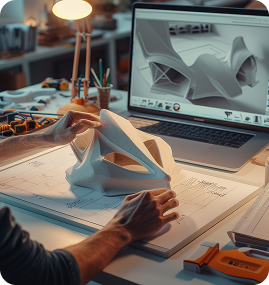
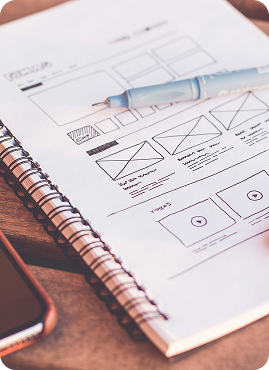
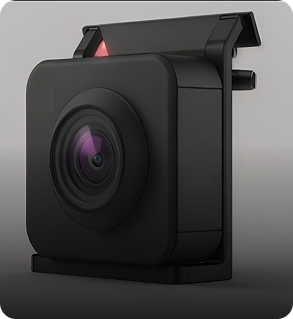
This program equips students to design products that combine creativity, usability, and emerging technologies. Explore materiality, interaction design, user experience, and sustainable solutions while working on hands-on projects and industry collaborations. With AI, digital tools, and tech-enabled experimentation at its core, graduates are prepared for careers as product designers, UX strategists, CMF specialists, and innovators who can shape the products and experiences of tomorrow.
Our Globally Benchmarked Curriculum
Semester 1
Laying the foundation for creative thinking and design. Students explore core principles, visual language, and problem-solving skills that prepare them for future learning.
Design Research 1
Use design thinking and visual methods to explore, research, observe patterns, reflect on insights, and craft compelling stories that communicate ideas, inspire action, and create meaningful impact.
Design Studio 1
Design Studio 1 introduces creative exploration through design thinking, observation, research, and storytelling. Students develop problem-solving, visual communication, and reflective practice skills to address real-world challenges.
Drawing Fundamentals 1
Drawing Fundamentals 1 builds core visual skills through observation, sketching, composition, form and technical drawing. Students explore line, shape, proportion, and perspective to strengthen creative expression and design communication.
Imaging 1
Imaging 1 introduces digital and analog imaging techniques, exploring composition, light, and narrative. Students learn visual storytelling, image editing, and creative expression for design and communication.
Space and Materiality
Space and Materiality explores relationships between form, material, and environment. Students experiment with textures, structures, and spatial design to understand sensory impact, function, and creative possibilities.
History in Context to Objects
History in Context to Objects examines cultural, social, and historical influences on objects. Students analyze artifacts to understand design evolution, material significance, and contextual storytelling.
Skill-Up Elective
Skill-Up Elective offers specialized learning opportunities beyond the core curriculum, enabling students to explore emerging tools, creative practices, and interdisciplinary skills that enhance professional growth.
ATLAS Elective
Semester 2
Building confidence in experimentation and observation, students engage in hands-on projects that develop analytical thinking and creativity. The semester deepens design practice, emphasizing research, advanced techniques, sustainability, and user experience, fostering innovation, collaboration, and readiness for real-world challenges.
Design Research 2
Design Research 2 advances research skills, emphasizing observation, data analysis, and user insights. Students apply research backed by design thinking to identify problems, generate solutions, and inform creative strategies.
Design Studio 2
Design Studio 2 builds on creative practice, guiding students to apply research, experimentation, and design thinking in real-world projects, developing problem-solving, collaboration, and visual storytelling skills.
Drawing Fundamentals 2
Drawing Fundamentals 2 deepens observational and visual storytelling skills. Students refine visual communication and expressive techniques for creative design solutions.
Imaging 2
Imaging 2 advances digital and analog imaging techniques, focusing on composition, storytelling, and post-processing. Students create visually compelling narratives and enhance design communication through images.
Sustainable System
Sustainable System explores eco-friendly design principles, material choices, and systemic thinking. Students analyze environmental impact, interdependence of various systems using, and integrate responsible practices into design processes.
Time
Time examines its role as a design element, influencing memory, narrative, information flow, and user experience. Students explore temporal dynamics to create meaningful, engaging designs.
Skill-Up Elective
Skill-Up Elective offers specialized learning opportunities beyond the core curriculum, enabling students to explore emerging tools, creative practices, and interdisciplinary skills that enhance professional growth.
ATLAS Elective
Why our Year 1 outpaces every
other design school?
ISDI School of Design
Multidisciplinary Exposure
Offers a Major–Minor Pathway where students combine core specialization with a secondary focus called a minor.
Integrated Design Thinking
Combines design thinking, observation, and research fostering strategic and creative problem-solving.
Holistic, Future-Ready Learning
Includes forward-looking courses like Sustainable System and Time, focusing on environmental impact.
Other Design Schools
Holistic, Future-Ready Learning
Other design schools follow single-track, restricting students to one specialisation throughout the program.
Theory–Practice Gap
Often separates theory and practice, introducing research much later as an
after-thought.
after-thought.
Aesthetic-Centric Focus
Primarily emphasizes form and aesthetics, with limited focus on sustainability or systems thinking.
Semester 3
Explore product concepts, materials, usability, and digital prototyping tools. Apply design thinking to small projects, integrating tech where relevant.
Product Design Studio 3 : Creative Process
Encourages exploration of form and meaning through sketching, mockups, copywriting, and prototypes, while promoting copyrighting and design registration for final submissions.
Product Prototyping : Concept to Creation
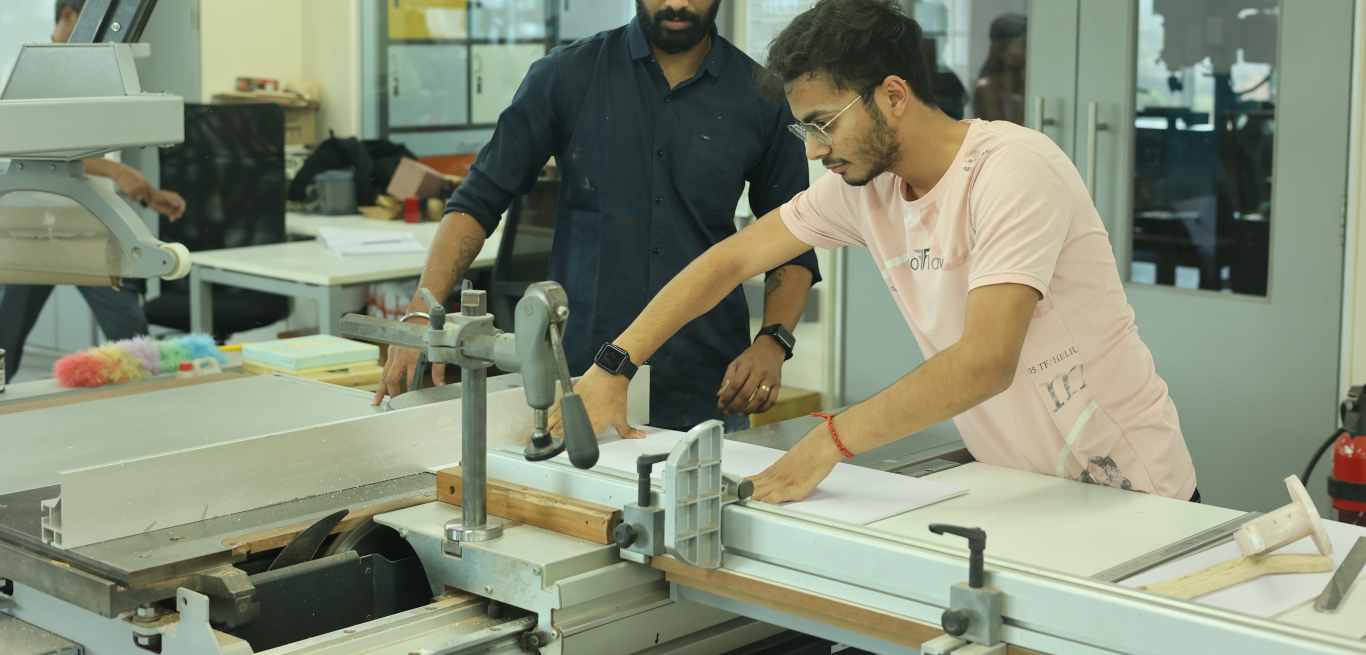
Teaches students safe and effective tool use while developing foundational making skills through hands-on modeling, material exploration, and iterative experimentation to build confidence and craftsmanship.
Process and Digital Representation
Develops students' drawing abilities to effectively visualize and communicate design ideas, using a blend of traditional sketching methods and contemporary digital illustration techniques.
History of Product Design
Encourages students to critically examine historical design movements and their influence on contemporary practices, fostering a deeper understanding of design’s cultural, social, and aesthetic evolution over time.
Minor Track
The minor track you choose will continue across all the remaining years of your program.
Semester 4
Translate concepts into engaging digital experiences. Projects strengthen design thinking, technical skills, and tech-enabled problem-solving.
Product Design Studio 4: Creative Process
Introduces product design fundamentals through empathy, creativity, and real-world problem-solving, encouraging design registration and patent filing for innovative ideas.
Material Fabrication Processes
Builds understanding of materials, safety, and sustainability through hands-on assignments that emphasize responsible use, environmental impact, and informed decision-making in product design and fabrication processes.
Digitalized Industrial Design
Teaches essential 2D and 3D CAD tools for digital sketching, modeling, rendering, and precise design control, enabling students to develop and communicate complex design concepts.
Introduction to Product Design Studies
Explores design ethics, influential manifestos, and the social impact of design through thoughtful discussion and critical reflection, encouraging responsible and meaningful creative practices among students.
Research and Development Methods
Equips students with essential research tools to uncover user insights and improve product experiences, while encouraging academic research and paper publishing.
Minor Track
The minor track you choose will continue across all the remaining years of your program.
Why our Year 2 outpaces every
other design
school?
other design
school?
ISDI School of Design
Innovation & Intellectual Property Focus
Encourages copyrighting, design registration, and patent filing to protect student innovation.
Technology–Driven Practice
Integrates digital tools and prototyping, to bridge design and advanced manufacturing.
Research & Industry Integration
Emphasizes user research, academic publishing, and real-world product development for market-ready outcomes.
Other Design Schools
Limited IP Awareness
Seldom include copyrighting or patent processes in the curriculum.
Traditional Methods
Rely heavily on manual techniques with minimal exposure to digital or smart technologies.
Academic Focus Over Application
Prioritize theoretical learning over research-led, industry-relevant design practice.
Semester 5
Develop complex products integrating aesthetics, usability, innovation, and tech-enabled solutions. Strengthen iterative and future-ready design skills.
Product Design Studio 5
Simulates real industry environments to teach students product planning, development processes, and new product delivery, preparing them for professional challenges and collaborative teamwork in the design field.
Human Factors, Ergonomics And Interfaces
Introduces cognitive ergonomics by engaging students in modeling and testing processes, fostering innovative product design that enhances usability, user comfort, and overall interaction efficiency.
Innovative Design Technology
Immerses students in designing and prototyping home appliances using electronics and coding, blending creativity with technical skills for careers in product design and engineering.
User Research
Equips students with skills to conduct ethnographic research, perform usability testing, and apply scientific analysis, fostering data-driven, user-centered approaches in product design and development.
Minor Track
The minor track you choose will continue across all the remaining years of your program.
Semester 6
Push boundaries with advanced prototyping, AI-assisted ideation, and experimentation. Focus on sustainable and innovative solutions.
Contextual Design
Trains students to design products deeply rooted in user context, behaviour, and real-world needs, ensuring solutions are practical, relevant, and effectively address everyday challenges.
Design for Production
Guides students to refine product ideas by emphasizing efficient manufacturing processes and sustainable practices, ensuring designs are both feasible to produce and environmentally responsible.
Digital Portfolio Design
Helps students build personal portfolios that showcase their unique design identity, skills, and strengths, effectively communicating their creative vision and professional capabilities to future opportunities.
End - User Experience Design
Introduces students to fundamental UX principles through hands-on digital product design and usability testing, fostering user-focused skills essential for creating intuitive and effective interfaces.
Minor Track
The minor track you choose will continue across all the remaining years of your program.
Why our Year 3 outpaces every
other design
school?
other design
school?
ISDI School of Design
Industry-Ready Learning
Simulates real-world projects, preparing students for professional teamwork and product delivery.
Human–Tech Fusion
Integrates ergonomics, coding, and electronics for smart, user-focused design solutions.
Portfolio & Professional Growth
Develops strong digital portfolios that highlight design identity and technical skill.
Other Design Schools
Limited Real-World Exposure
Offer minimal industry simulation or collaborative practice.
Basic Technical Training
Rarely combine coding, ergonomics, or smart product design.
Academic Over Professional Focus
Emphasize theory over portfolio or career readiness.
Semester 7
Work on live projects and industry collaborations. Refine professional skills, teamwork, and technology-driven project execution.
Product Design Studio 7
Offers specializations in CMF and Data Visualization & Smart Products, focusing on designing intelligent, tech-driven, and visually refined solutions.
Digital Interaction Design
Teaches students to design human-centered digital and physical experiences, integrating UX research, HMI, and UI design.
Incubation & Entrepreneurship
Introduces entrepreneurship and incubation, helping students turn ideas into startups through expert guidance, practical exercises, and the Lean Canvas framework.
Minor Track
The minor track you choose will continue across all the remaining years of your program.
Semester 8
Present a final product portfolio demonstrating innovation, creativity, and readiness to lead in a tech-enabled industry.
Product Design Studio 8 - Capstone (Explore)
Enables students to lead self-driven projects with personalized mentorship, applying comprehensive design knowledge and skills gained throughout their learning journey to create impactful solutions.
Product Design Studio 8 - Capstone (Execution)
Prepares students to navigate ethical challenges by exploring theory, analyzing case studies, and engaging in critical reflection to promote responsible and thoughtful design practices.
Research Writing and Capstone Documentation
Encourages students to undertake a self-led or industry project, synthesizing their learning into a cohesive final design vision that demonstrates creativity, skill, and professional readiness.
Professional Practice and Ethics
Prepares students to navigate ethical challenges by studying theory, analyzing real-world case studies, and engaging in reflection, fostering responsible and thoughtful decision-making in design practice.
Minor Track
The minor track you choose will continue across all the remaining years of your program.
Why our Year 4 outpaces every
other design
school?
other design
school?
ISDI School of Design
Specialized & Future-Focused Learning
Offers advanced pathways in CMF and Smart Products, blending technology, aesthetics, and innovation.
Entrepreneurial Mindset
Integrates incubation and startup development, guiding students from concept to venture creation.
Capstone & Ethical Practice
Concludes with self-driven projects emphasizing research, professionalism, and responsible design ethics.
Other Design Schools
Limited Specialization Options
Often provide generic final-year projects without advanced focus areas.
Minimal Entrepreneurial Exposure
Seldom include incubation or startup-based learning experiences.
Weak Ethical Integration
Address professional ethics superficially, without linking them to real-world design practice.
02
Creative
Aptitude Test
Aptitude Test
03
Portfolio Review + Interview
04
Final Selection & Offer Letter
Eligibility
Indian Boards (ISC / CBSE / State Boards)
- Minimum 60% overall in Class XII
A-Levels (UK)
- Minimum grades A, B, or C in any 2 subjects
- Total of 3 subjects required
International Baccalaureate (IB)
A minimum of 24 points, including:
- 3 Higher Level (HL) subjects
- 3 Standard Level (SL) subjects
Application Fee: ₹3,500
After selection, the enrolment fee of ₹75,000 to secure your seat is refundable!
Why Product Design: Creative
Engineering at ISDI x Parsons
Design for Real Life,
Not Just Portfolios
Not Just Portfolios
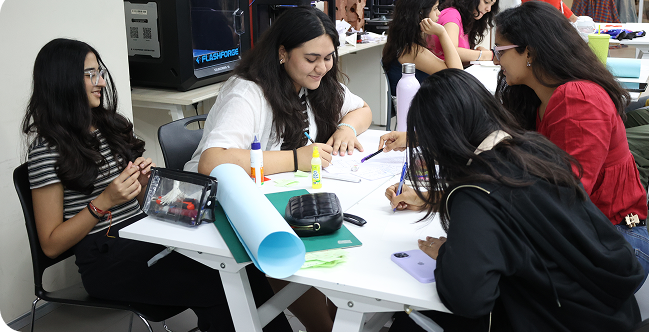
Our classrooms are live labs. You’ll ideate, iterate, fail, restart, and refine in spaces designed for doing, not just thinking.
Design With A
Global Perspective
Global Perspective
Curriculum shaped by Parsons,
New York, reimagined for today’s
Indian context.
New York, reimagined for today’s
Indian context.
Your Mentors Are
Also Makers
Also Makers
Learn from practicing designers, strategists, and studio founders,
the people who design the world
you interact with.
the people who design the world
you interact with.
Everything is a
Studio Experience
Studio Experience
Our classrooms are live labs. You’ll ideate, iterate, fail, restart, and refine in spaces designed for doing, not just thinking.
The Future is Cross-
Disciplinary
Disciplinary
Work alongside fashion designers, product innovators, entrepreneurs, coders, and media artists, because good ideas don’t exist in silos.
Where concepts meet execution,
in and beyond the classroom.
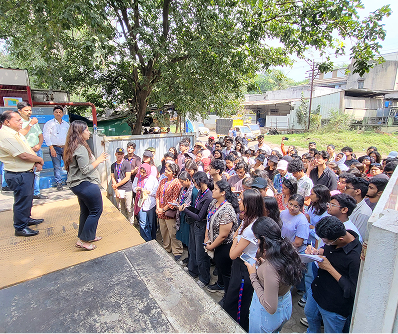
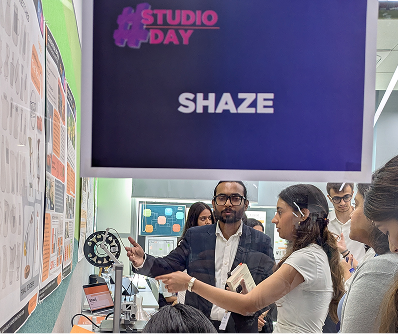
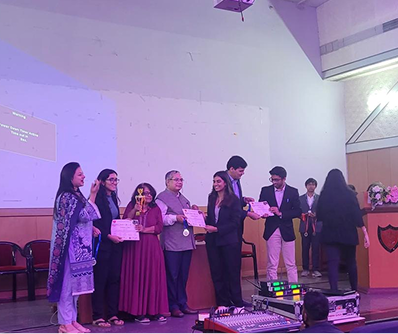
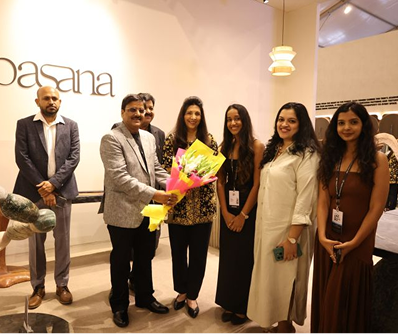
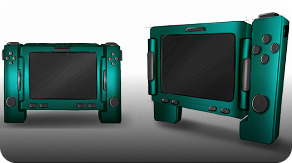
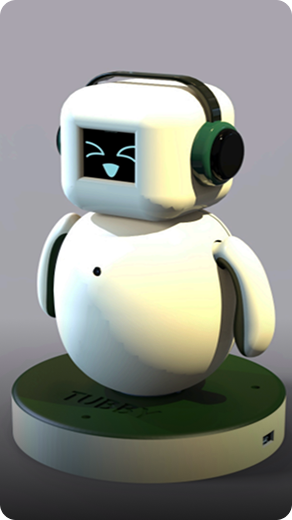
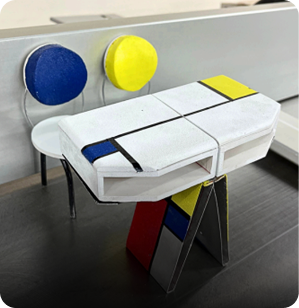
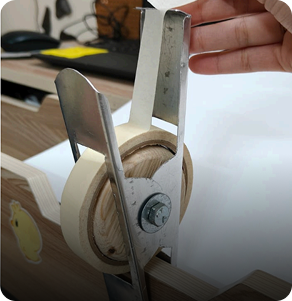
At ISDI, every project becomes part of a career-ready portfolio. From hands-on labs and design sprints to brand collaborations, internships, hackathons, and industry showcases, you graduate with real-world experience and work that speaks for itself.
Student Projects in Motion
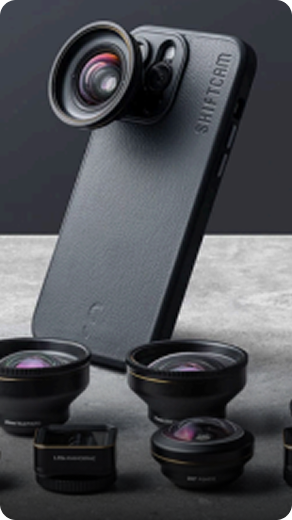
Where creativity meets momentum
Dia and Vallen
Shivika Shetty
Anjali Lalwani
Sarthak, Saumya, Shane
Amvisha Jha
Abhijay, Amtoj, Aryan
Tanya Jain
Amtoj S. Nagi
Rutu Sankhe, Shane Bana
Aashi. A, Bageshree. S
Nishika Desai
Ayushi Shah
Mihir Mehta, Prayushi
Niharika Kondraganti
Pranjal Pranigrahi
Crystal Prince
Student Voices: Real Voices from the Program
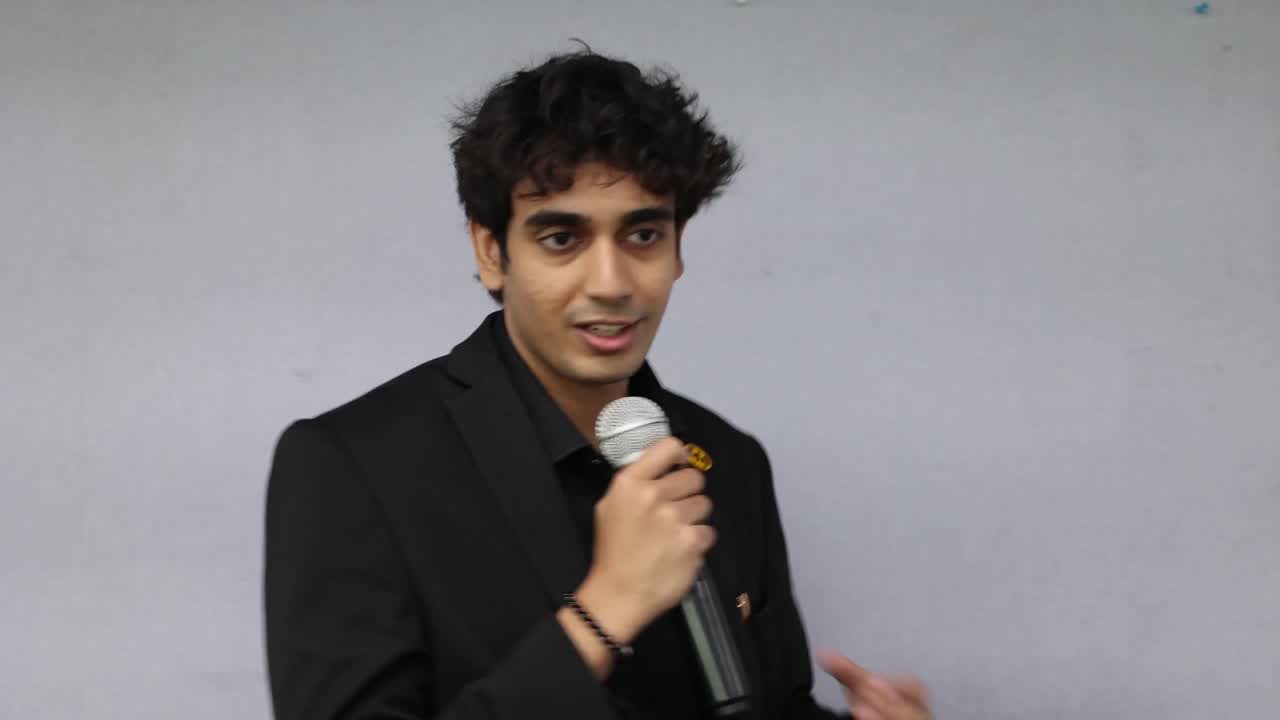
Hear from our students
Questions? We can read your mind
Is ISDI School Of Design & Innovation related to PARSONS New York?
What is ISDI School Of Design & Innovation best known for?
What are the admission criteria for ISDI School Of Design & Innovation?
What is Parsons?
Where is the ISDI School Of Design & Innovation Campus located?
Will I Get a PARSONS Certificate?
Do you teach AI?
How experienced is your faculty?
How can I know my eligibility for the ISDI School Of Design & Innovation scholarship?
What is the Admission Process for ISDI School Of Design & Innovation?
Does ISDI School Of Design & Innovation provide student housing?
What programs are offered by ISDI School Of Design & Innovation?
Why Should I Choose ISDI School Of Design & Innovation for Design?
What kind of industry exposure can I expect at ISDI School Of Design & Innovation?
What is the Master’s Progression Program offered by ISDI School Of Design & Innovation in collaboration with Parsons?
View More
More questions?
Let our AI Assistant answer your queries